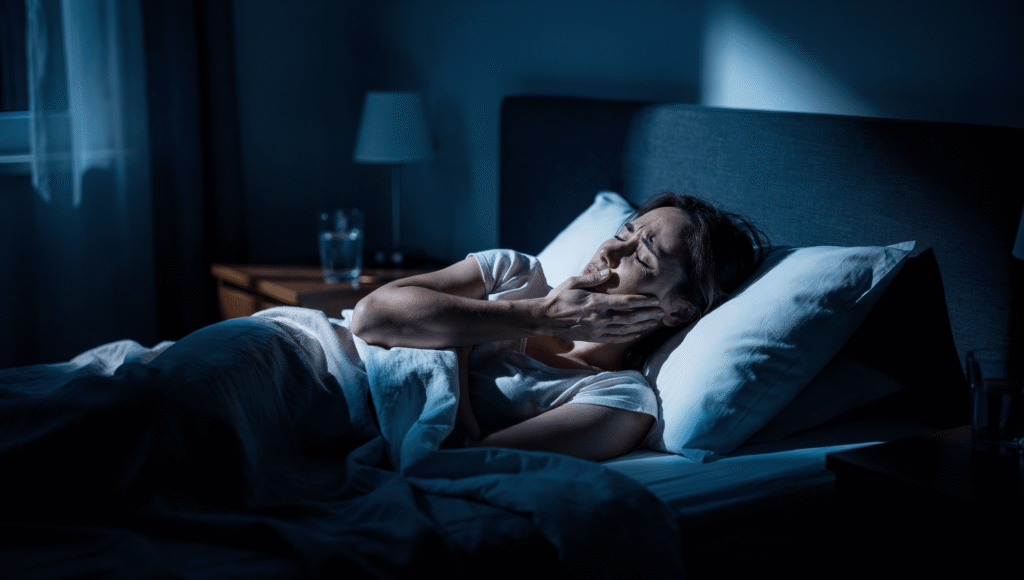
Why sleep quality worsens after age 30. Remenber when you could sleep through anything and wake up refreshed? If you’ve noticed that quality sleep feels harder to come by after 30, you’re not imagining things—and you’re certainly not alone. The changes in sleep patterns as we enter our 30s and beyond are both real and scientifically documented, but they don’t have to mean a lifetime of restless nights.
From hormonal shifts to lifestyle pressures, multiple factors converge to alter how we sleep after 30. The good news? Understanding these changes empowers you to adapt and optimize your sleep. In this comprehensive guide, we’ll explore the biological and lifestyle factors affecting sleep quality after 30, debunk common myths, and provide actionable strategies tailored specifically to this life stage.
Whether you’re struggling with frequent awakenings, difficulty falling asleep, or simply not feeling rested, this article will help you understand what’s happening and give you practical tools to improve your sleep starting tonight.
Section 1: The Science: How Sleep Changes Biologically After 30
Sleep Architecture Shifts
As we age, the structure of our sleep changes significantly:
Deep Sleep (Slow-Wave Sleep) Decreases:
- Age 20-30: 20-25% of sleep is deep sleep
- Age 30-40: Drops to 15-20%
- Age 40+: May drop below 15%
- Impact: Less physical restoration, harder to feel rested
REM Sleep Changes:
- Becomes more fragmented
- Shorter REM cycles
- Impact: Affects memory consolidation and emotional processing
Sleep Efficiency Declines:
- More time spent awake in bed
- Longer time to fall asleep (sleep latency)
- More frequent night awakenings
- Example: 85% sleep efficiency at 30 vs. 75% at 50
Hormonal Factors
Melatonin Production:
- Natural decline begins in 30s
- Peak levels decrease by 1-2% per year after 30
- Timing shifts: Melatonin release occurs later
- Impact: Harder to fall asleep at traditional bedtimes
Cortisol Patterns:
- Morning cortisol may rise earlier
- Evening cortisol doesn’t drop as effectively
- Result: “Tired but wired” feeling at bedtime
Growth Hormone:
- Deep sleep-dependent release declines
- Affects: Tissue repair, muscle recovery, metabolism
Circadian Rhythm Shifts
- Natural bedtime may shift earlier
- Morning alertness may come earlier
- “Social jetlag” common when social/work schedules don’t align with biological clock
Section 2: Lifestyle Factors Affecting Sleep in Your 30s+
Career and Financial Stress:
- Increased responsibilities at work
- Financial pressures (mortgage, family expenses)
- Work-life balance challenges
- Impact: Increased cortisol, racing thoughts at bedtime
Family Responsibilities:
- Parenting demands (even if kids sleep through, parental brain stays alert)
- Caregiving roles for aging parents
- Relationship dynamics changing
- Impact: Sleep fragmentation, shortened sleep duration
Health Changes:
- Metabolic changes affect sleep quality
- New aches and pains (joint discomfort affecting position)
- Medications that may disrupt sleep
- Impact: More frequent position changes, discomfort
Technology and Lifestyle:
- Blue light exposure extends into evening
- Sedentary jobs reduce sleep pressure
- Social commitments encroaching on sleep time
- Impact: Reduced melatonin, altered sleep drive
The “Second Shift” Phenomenon:
Many adults in their 30s+ experience:
- Work all day
- Family/home responsibilities evening
- “Me time” pushed to late night
- Result: Sacrificing sleep for personal time
Section 3: Common Sleep Problems After 30
Insomnia (Difficulty Falling or Staying Asleep):
- Prevalence: Increases from 10% (20s) to 15-20% (30s+)
- Types:
- Sleep onset insomnia: >30 minutes to fall asleep
- Sleep maintenance insomnia: Waking frequently
- Early morning awakening: Waking too early
- Gender note: Women 40% more likely than men
Sleep Fragmentation:
- Definition: Waking multiple times per night
- Causes: Stress, discomfort, breathing issues
- Impact: Even with 8 hours total, feels unrestful
Restless Leg Syndrome (RLS):
- Peak onset: 30s-40s
- Prevalence: 5-10% of adults
- Impact: Difficulty falling asleep due to uncomfortable sensations
Circadian Rhythm Disorders:
- Delayed Sleep Phase: Common in younger adults
- Advanced Sleep Phase: More common after 40
- Irregular Sleep-Wake: Often related to stress/lifestyle
Section 4: The Sleep-Health Connection: Why Quality Matters More Now
Função cognitiva:
- Memory consolidation happens during deep sleep
- Problem-solving ability declines with poor sleep
- Creativity and innovation affected
- Study: 1 bad night = 40% reduction in cognitive function
Metabolic Health:
- Sleep and weight connection: <6 hours = 30% higher obesity risk
- Insulin sensitivity decreases with poor sleep
- Ghrelin/leptin imbalance: Increases hunger cues
- Impact: Weight gain harder to manage after 30
Immune Function:
- Natural killer cells decrease with poor sleep
- Vaccine response weaker
- Illness recovery slower
- Statistic: <7 hours = 3x higher risk of catching cold
Mental Health:
- Sleep and anxiety bidirectional relationship
- Depression risk increases with chronic poor sleep
- Emotional regulation impaired
- Impact: Poor sleep = more reactive to stress
Physical Recovery and Pain:
- Tissue repair happens during deep sleep
- Pain tolerance decreases with poor sleep
- Inflammation markers increase
- Particular relevance: For TMJ sufferers, poor sleep worsens pain sensitivity
Section 5: Creating Your Personalized Sleep Environment
Temperature Optimization:
- Ideal range: 60-67°F (15.5-19.5°C)
- Why: Body temperature drops to initiate sleep
- Tip: Cool room with warm bedding works best
- Special consideration: Women may prefer warmer due to hormonal fluctuations
Light Control Strategies:
- Blackout curtains: Essential for light-sensitive sleepers
- Red nightlights: If needed, red light doesn’t suppress melatonin
- Digital clock placement: Face away from bed
- LED elimination: Cover all small lights in bedroom
Sound Management:
- White noise: Consistent sound masks disturbances
- Pink noise: May enhance deep sleep (research emerging)
- Earplugs: Custom-molded most comfortable
- Soundproofing: Rugs, heavy curtains, bookcases on shared walls
Bed and Pillow Selection:
Mattress Considerations:
- Support needs change after 30 (more pressure point relief)
- Replacement timeline: Every 7-10 years
- Type recommendations: Medium-firm often best for spinal alignment
Pillow Strategy:
- Side sleepers: Thicker, firmer pillow to keep spine straight
- Back sleepers: Medium thickness with cervical support
- Stomach sleepers: Very thin or no pillow (though not recommended for TMJ)
- Special pillows: Contoured, buckwheat, or adjustable fill
Bedroom-Only Rule:
- Associate bed only with sleep and intimacy
- No work in bed
- No screens in bed
- If awake >20 minutes, get up and do something relaxing
Seção 6: Rotinas Noturnas Que Realmente Funcionam
The 60-Minute Wind-Down:
Starting 60 minutes before target bedtime:
Minutos 60-45: Pôr do Sol Digital
- Turn off bright overhead lights
- Activate blue light filters on devices
- Begin reducing screen brightness
- Alternative: Switch to analog activities (reading physical books)
Minute 45-30: Physical Transition
- Take warm bath or shower (body temp drop aids sleep)
- Brush teeth, skincare routine
- Put on comfortable sleepwear
- Temperature tip: Finish shower 30 minutes before bed
Minute 30-15: Mental Preparation
- Write tomorrow’s to-do list (clears mental space)
- Practice gratitude journaling (3 things)
- Light stretching or gentle yoga
- TMJ-specific: Jaw relaxation exercises
Minute 15-0: Final Relaxation
- Dim lights further
- Practice 4-7-8 breathing
- Get into bed
- Read (physical book with warm light)
What to Avoid in the Evening:
- Intense exercise within 3 hours of bedtime
- Heavy meals within 2 hours
- Alcohol within 3 hours (disrupts sleep architecture)
- Caffeine after 2 PM (some need cutoff at noon)
- Stressful conversations or work emails
- Exciting/upsetting media
Weekend Consistency:
- Maximum variation: 1 hour from weekday schedule
- Reason: Prevents “social jetlag”
- Tip: If staying up late, still wake within 1 hour of normal time
Section 7: Morning Habits for Better Sleep Cycles
The First 15 Minutes Rule:
What you do upon waking sets your circadian rhythm:
Light Exposure:
- Within 15 minutes: Get sunlight exposure
- Duration: 15-30 minutes (cloudy days longer)
- Mechanism: Resets circadian clock
- Alternative: Light therapy lamp in winter/dark climates
Movement:
- Within 30 minutes: Gentle movement
- Options: Stretching, walking, light yoga
- Benefits: Increases core body temperature, signals wakefulness
- TMJ note: Include jaw and neck stretches
Hydration:
- First thing: Glass of water
- Reason: Rehydrate after night of breathing/mild dehydration
- Temperature: Room temperature or warm with lemon
- Avoid: Immediate caffeine (wait 90 minutes if possible)
Consistent Wake Time:
- Most important factor for sleep regulation
- Weekend variation: Maximum 60 minutes
- Even if slept poorly: Still get up at regular time
- Reason: Strengthens sleep drive for following night
Breakfast Timing:
- Within 1 hour of waking
- Protein-rich breakfast stabilizes blood sugar
- Avoid sugary breakfasts (causes afternoon crash)
- Connection: Meal timing helps regulate circadian rhythms
Section 8: Nutrition and Sleep: What to Eat (and Avoid)
Sleep-Promoting Foods:
Evening Snack Options (if needed):
- Tart cherry juice: Natural melatonin source
- Kiwi: Contains serotonin precursors
- Walnuts: Melatonin and magnesium
- Bananas: Magnesium and potassium (muscle relaxants)
- Almonds: Magnesium and healthy fats
- Chamomile tea: Apigenin binds to GABA receptors
- Warm milk: Psychological comfort, calcium for muscle function
Daily Nutrients for Sleep:
- Magnesium: Leafy greens, nuts, seeds, avocados
- Tryptophan: Turkey, chicken, eggs, cheese
- Vitamin B6: Chickpeas, salmon, potatoes
- Calcium: Dairy, fortified plant milks, leafy greens
Foods and Substances to Limit:
Timing Matters:
- Caffeine cutoff: 2 PM for most, noon for sensitive
- Alcohol limit: 1 drink, finished 3+ hours before bed
- Heavy meals: Finish 3 hours before bed
- Spicy foods: Avoid if causing reflux or discomfort
Individual Sensitivities:
- Sugar: Causes blood sugar swings overnight
- High-fat foods: May disrupt sleep if close to bedtime
- Excessive fluids: Limit 2 hours before bed to reduce awakenings
Hydration Strategy:
- 80% of fluids before 7 PM
- Small sips after if thirsty
- Electrolyte balance important (especially if active/sweaty)
Section 9: When to Seek Professional Help
Red Flags Warranting Medical Consultation:
- Chronic insomnia lasting >3 months despite self-care
- Loud snoring with pauses in breathing
- Daytime sleepiness affecting work or safety
- Restless legs significantly disrupting sleep
- Sleep walking/talking that’s new or worsening
- Nightmares/night terrors frequent and distressing
- Pain consistently waking you
Sleep Studies: When They’re Recommended:
- Polysomnography (in-lab): For suspected sleep apnea, narcolepsy
- Home sleep apnea test: For moderate-high apnea suspicion
- Multiple Sleep Latency Test: For excessive daytime sleepiness
- Actigraphy: For circadian rhythm disorders
Healthcare Providers:
- Primary Care Physician: First step, can order basic tests
- Sleep Specialist: Board-certified in sleep medicine
- Dentista: Para aparelhos orais para apneia do sono e problemas de sono relacionados à ATM
- ENT: For anatomical issues affecting breathing
- Psychologist/Therapist: For insomnia related to anxiety/depression
Cognitive Behavioral Therapy for Insomnia (CBT-I):
- Gold standard treatment for chronic insomnia
- Effectiveness: 70-80% improvement
- Components: Sleep restriction, stimulus control, cognitive restructuring
- Duration: Typically 6-8 sessions
- Available: In-person or via digital platforms (CBT-I apps)
Section 10: Frequently Asked Questions (H2)
Q1: How much sleep do I really need after 30?
A: Most adults need 7-9 hours. Need doesn’t decrease with age, but ability to get uninterrupted sleep often does.
Q2: Is it normal to wake up during the night after 30?
A: Yes, brief awakenings are normal (4-6 per night). Problematic if you can’t fall back asleep within 20-30 minutes.
Q3: Can I “catch up” on sleep on weekends?
A: Partially, but consistent sleep is better. Maximum 1-hour variation on weekends is ideal.
Q4: Do sleep needs change during perimenopause/menopause?
A: Yes, hormonal changes often disrupt sleep. Hot flashes, changing melatonin patterns, and mood changes all affect sleep.
Q5: Are sleep aids safe for long-term use?
A: Most over-the-counter and prescription sleep aids are not recommended for long-term use. Address underlying causes instead.
Q6: How does alcohol affect sleep after 30?
A: More negatively than in 20s. Increased sleep fragmentation, reduced REM sleep, worse snoring/apnea risk.
Q7: Can exercise improve sleep quality after 30?
A: Yes, but timing matters. Morning/afternoon exercise improves sleep; evening exercise may disrupt if within 3 hours of bed.
Q8: Why do I feel more tired after 8 hours than 7 hours?
A: Could be sleep inertia, sleep apnea, or simply waking during a deep sleep cycle. Try different durations within 7-9 hour range.
Q9: Are naps recommended after 30?
A: Short naps (20-30 minutes) before 3 PM can help. Longer or later naps may disrupt nighttime sleep.
Q10: How long does it take to see improvement from sleep changes?
A: Most people notice some improvement within 1-2 weeks, with full benefits after 4-6 weeks of consistent practice.
While sleep naturally changes after 30, declining sleep quality isn’t an inevitable sentence. By understanding the biological and lifestyle factors at play, you can implement targeted strategies to reclaim restful nights. The key is consistency—small, sustainable changes practiced daily create the most significant improvements over time.
Remember that sleep optimization is a personal journey. What works for one person may not work for another. Experiment with different strategies, track your progress, and be patient with yourself. Improving sleep after 30 isn’t about returning to your 20-year-old sleep patterns, but rather optimizing sleep for your current life stage and needs.
As you implement these changes, you’ll likely notice benefits extending far beyond better sleep: improved mood, sharper thinking, better stress management, and enhanced overall well-being. For those dealing with TMJ issues, remember that quality sleep is particularly crucial for pain management and healing.