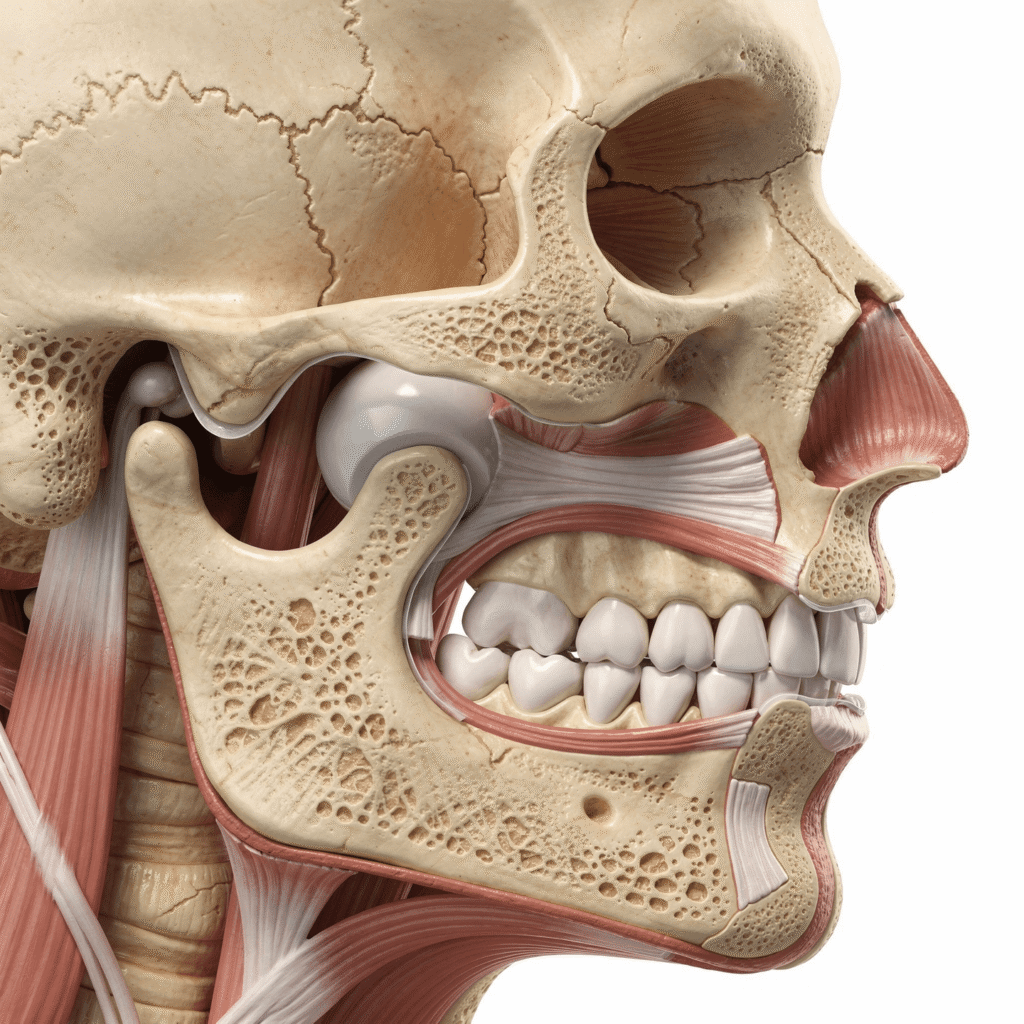
Natural Wellness Approaches for TMJ Relief. Temporomandibular joint (TMJ) disorders affect millions of people worldwide, causing jaw pain, headaches, and difficulty chewing that can significantly impact daily life. While conventional treatments often focus on medication or invasive procedures, natural wellness approaches offer effective, sustainable relief without unwanted side effects.
In this comprehensive guide, we’ll explore evidence-based natural remedies and lifestyle modifications that can help manage TMJ symptoms, reduce inflammation, and promote long-term jaw health. Whether you’re experiencing occasional discomfort or chronic TMJ pain, these holistic strategies can complement your treatment plan and improve your quality of life.
Understanding TMJ Disorders: The Foundation for Natural Treatment
Before diving into natural remedies, it’s essential to understand what causes TMJ disorders. The temporomandibular joint connects your jawbone to your skull, functioning like a sliding hinge. When this complex system becomes misaligned or stressed, it can result in:
- Persistent jaw pain or tenderness
- Difficulty opening or closing the mouth
- Clicking or popping sounds when chewing
- Facial pain and headaches
- Neck and shoulder tension
- Ear pain or ringing (tinnitus)
Common causes include teeth grinding (bruxism), jaw clenching, arthritis, jaw injury, poor posture, and chronic stress. Natural wellness approaches address these root causes rather than merely masking symptoms.
The Anti-Inflammatory Diet: Nutrition for TMJ Relief
What you eat directly impacts inflammation levels in your body, including the temporomandibular joint. Adopting an anti-inflammatory diet can significantly reduce TMJ pain and swelling.
Foods to Embrace
Omega-3 Rich Foods: Fatty fish like salmon, mackerel, and sardines contain powerful anti-inflammatory compounds. Aim for 2-3 servings weekly. Plant-based options include flaxseeds, chia seeds, and walnuts.
Colorful Vegetables: Dark leafy greens (spinach, kale), cruciferous vegetables (broccoli, cauliflower), and colorful peppers are loaded with antioxidants that combat inflammation.
Turmeric and Ginger: These golden spices contain curcumin and gingerol, respectively—compounds with proven anti-inflammatory properties. Add them to smoothies, teas, or meals daily.
Berries: Blueberries, strawberries, and blackberries are rich in anthocyanins, which reduce oxidative stress and inflammation.
Bone Broth: Rich in collagen and amino acids, bone broth supports joint health and may help repair damaged cartilage in the TMJ.
Foods to Avoid
- Processed foods: High in trans fats and refined sugars that promote inflammation
- Excessive caffeine: Can increase muscle tension and jaw clenching
- Alcohol: Disrupts sleep quality and increases inflammation
- Hard or chewy foods: Temporarily avoid these to give your jaw time to heal
Practical Tip: The Soft Food Phase
During TMJ flare-ups, switch to a soft food diet for 1-2 weeks. Include smoothies, soups, mashed vegetables, yogurt, and scrambled eggs. This reduces jaw strain while maintaining nutrition.
Stress Management: Breaking the TMJ-Stress Cycle
Stress is one of the most significant contributors to TMJ disorders. When stressed, people unconsciously clench their jaw or grind their teeth, creating a vicious cycle of tension and pain.
Mindfulness Meditation
Research shows that regular meditation reduces stress hormones and decreases muscle tension. Even 10 minutes daily can make a difference.
Simple Practice: Find a quiet space, close your eyes, and focus on your breath. When thoughts arise, gently return attention to breathing. Notice any jaw tension and consciously relax it.
Progressive Muscle Relaxation (PMR)
This technique involves tensing and releasing muscle groups systematically, helping you identify and release jaw tension.
How to Practice: Start with your toes, tensing for 5 seconds, then releasing. Work upward through your body. When you reach your jaw, clench gently, hold, then release completely. Notice the difference between tension and relaxation.
Breathing Exercises for Jaw Relaxation
4-7-8 Breathing Technique:
- Inhale through your nose for 4 counts
- Hold your breath for 7 counts
- Exhale slowly through your mouth for 8 counts
- Repeat 4 times
This activates the parasympathetic nervous system, reducing overall muscle tension, including in the jaw.
Yoga and Gentle Stretching
Certain yoga poses specifically target jaw tension and improve posture (which affects TMJ alignment):
- Child’s Pose: Releases upper body tension
- Cat-Cow Pose: Improves spinal alignment and reduces neck strain
- Shoulder Rolls: Relieves shoulder and neck tension connected to TMJ
- Lion’s Breath: A facial yoga exercise that releases jaw tension
Targeted TMJ Exercises and Stretches
Physical therapy exercises can strengthen jaw muscles, improve range of motion, and reduce pain.
Gentle Jaw Stretches
Relaxed Jaw Exercise: Place your tongue on the roof of your mouth behind your front teeth. Slowly open your mouth, keeping your tongue in position. Hold for 5 seconds, then close. Repeat 10 times.
Resisted Opening: Place your thumb under your chin. Gently open your mouth while applying light resistance with your thumb. Hold for 3-5 seconds. Repeat 10 times.
Side-to-Side Movement: Slowly move your jaw from side to side. Hold each position for 3 seconds. Repeat 10 times on each side.
Strengthening Exercises
Chin Tucks: Sit up straight and pull your chin straight back, creating a “double chin.” Hold for 3 seconds. This improves posture and reduces forward head position that strains the TMJ.
Tongue-Up Exercise: With your tongue on the roof of your mouth, slowly open and close your jaw. This helps train proper jaw movement patterns.
Important Guidelines
- Perform exercises 2-3 times daily
- Never force movements or push through sharp pain
- Start with 5 repetitions and gradually increase
- If exercises increase pain, stop and consult a healthcare provider
Heat and Cold Therapy: Natural Pain Relief
Temperature therapy is one of the oldest and most effective natural pain management techniques.
Cold Therapy (First 24-48 Hours)
Apply during acute flare-ups or after activities that strain your jaw.
How to Apply: Wrap ice or a cold pack in a thin towel. Apply to the jaw for 10-15 minutes. Repeat every 2-3 hours as needed.
Benefits: Reduces inflammation, numbs acute pain, and decreases swelling.
Heat Therapy (After 48 Hours)
Use heat for chronic TMJ pain and muscle tension.
How to Apply: Use a warm, moist towel or heating pad on the jaw for 15-20 minutes. You can also alternate between heat and cold (contrast therapy).
Benefits: Increases blood flow, relaxes muscles, and improves flexibility.
Warm Bath Ritual
A warm bath with Epsom salts (magnesium sulfate) before bed can relax the entire body, including jaw muscles. The magnesium absorbs through the skin, further promoting muscle relaxation.
Essential Oils and Herbal Remedies
Natural plant compounds offer pain relief and anti-inflammatory benefits without pharmaceutical side effects.
Essential Oils for TMJ Relief
Lavender Oil: Known for its calming properties, lavender reduces stress and muscle tension. Add 2-3 drops to a carrier oil and massage into jaw and temples.
Peppermint Oil: Contains menthol, which has a cooling, analgesic effect. Dilute with carrier oil and apply to painful areas.
Frankincense Oil: Powerful anti-inflammatory properties support joint health. Can be used topically or diffused.
Application Method: Always dilute essential oils with a carrier oil (coconut, jojoba, or almond oil) in a 1:3 ratio before topical application.
Herbal Supplements
Magnesium: This mineral is essential for muscle relaxation. Deficiency is common and can worsen TMJ symptoms. Take 300-400mg daily (consult your doctor first).
Valerian Root: A natural muscle relaxant and sleep aid. Particularly helpful if you grind your teeth at night.
Chamomile Tea: Contains anti-inflammatory compounds and promotes relaxation. Drink 1-2 cups daily, especially before bed.
CBD Oil: Emerging research suggests CBD may reduce pain and inflammation. Start with a low dose and consult a healthcare provider.
Sleep Optimization: Breaking the Nighttime Grinding Cycle
Poor sleep quality often worsens TMJ symptoms, while TMJ pain disrupts sleep—creating a frustrating cycle.
Sleep Position Matters
Back Sleeping: The most TMJ-friendly position. Use a cervical pillow that supports your neck’s natural curve.
Side Sleeping: If you prefer side sleeping, avoid putting pressure on your jaw. Use a contoured pillow that cradles your head without compressing your jaw.
Avoid Stomach Sleeping: This position strains the neck and jaw, worsening TMJ symptoms.
Creating a Jaw-Friendly Sleep Environment
- Temperature: Keep your bedroom cool (65-68°F/18-20°C) for optimal sleep
- Darkness: Use blackout curtains to promote melatonin production
- White Noise: Gentle background sounds can improve sleep quality
- Aromatherapy: Diffuse lavender or chamomile oil to promote relaxation
Pre-Sleep Jaw Relaxation Routine
- Warm compress on jaw for 10 minutes
- Gentle jaw stretches (5 minutes)
- Face and jaw massage (5 minutes)
- Progressive muscle relaxation focusing on jaw
- 4-7-8 breathing exercise (5 minutes)
Posture Correction: The Often-Overlooked TMJ Solution
Poor posture, especially “forward head posture” from computer use, creates enormous strain on the TMJ.
Desk Setup Optimization
- Monitor Height: Top of screen at or slightly below eye level
- Chair Support: Lumbar support maintains natural spine curve
- Keyboard Position: Elbows at 90 degrees, wrists neutral
- Feet: Flat on floor or footrest
Posture Awareness Exercises
Wall Angel Exercise: Stand with back against wall, feet slightly forward. Raise arms to 90 degrees and slowly slide up and down the wall. This strengthens upper back muscles that support proper posture.
Chin Tuck Reminder: Set hourly reminders to check posture and perform chin tucks throughout the day.
The 20-20-20 Rule
Every 20 minutes, look at something 20 feet away for 20 seconds. This reduces eye strain and reminds you to check your posture.
Acupuncture and Acupressure: Ancient Wisdom for Modern TMJ Relief
Traditional Chinese Medicine offers time-tested approaches to TMJ pain.
Acupressure Points for TMJ
St6 (Jaw Chariot): Located at the jaw muscle, one finger width in front of the angle of the jaw. Apply gentle circular pressure for 1-2 minutes.
St7 (Below Joint): In the depression in front of the ear when mouth is slightly open. Massage gently to relieve jaw tension.
LI4 (Union Valley): Located in the webbing between thumb and index finger. This point is famous for pain relief throughout the body.
Professional Acupuncture
Studies show acupuncture can significantly reduce TMJ pain and improve jaw function. Consider finding a licensed acupuncturist experienced in treating TMJ disorders.
Massage Therapy: Professional and Self-Care Techniques
Regular massage addresses muscle tension that contributes to TMJ pain.
Self-Massage Techniques
Masseter Muscle Massage: Place fingers on the muscles at the angle of your jaw. Apply gentle circular pressure while slowly opening and closing your mouth. Do this for 2-3 minutes on each side.
Temporal Muscle Massage: Using fingertips, massage the temples in small circles. This relaxes muscles connected to jaw function.
Internal Jaw Massage: With clean hands, place your thumb inside your cheek and massage the inside of the masseter muscle. This can release deep tension.
Professional Massage
Consider monthly sessions with a massage therapist trained in TMJ treatment. They can address neck, shoulder, and facial muscles that contribute to jaw dysfunction.
Hydration: The Underrated TMJ Solution
Dehydration affects joint lubrication and can worsen TMJ symptoms.
Daily Goal: Drink at least 8 glasses (64 oz) of water daily. More if you’re active or in a hot climate.
Morning Hydration: Start your day with a glass of warm water with lemon to jumpstart hydration and reduce inflammation.
Herbal Teas: Count toward daily fluid intake while providing anti-inflammatory benefits.
Creating Your Personalized Natural TMJ Wellness Plan
The most effective approach combines multiple natural strategies tailored to your specific needs.
Week 1-2: Foundation Phase
- Implement anti-inflammatory diet
- Start daily jaw stretches (morning and evening)
- Begin stress management practice (meditation or breathing exercises)
- Optimize sleep position and environment
Week 3-4: Building Phase
- Add heat/cold therapy as needed
- Introduce acupressure points
- Begin posture correction exercises
- Start keeping a TMJ symptom journal
Week 5-6: Refinement Phase
- Identify which strategies work best for you
- Consider adding professional treatments (acupuncture, massage)
- Fine-tune your routine based on results
- Continue successful practices long-term
When to Seek Professional Help
While natural approaches are powerful, sometimes professional intervention is necessary:
- Severe pain that doesn’t improve with natural remedies
- Inability to fully open or close your mouth
- Jaw locking or severe clicking
- Pain radiating to other areas
- Symptoms interfering with daily activities
A healthcare provider can rule out serious conditions and may recommend combining natural approaches with other treatments.
Conclusion: Your Journey to Natural TMJ Relief
Managing TMJ disorders naturally requires patience, consistency, and a multifaceted approach. By combining anti-inflammatory nutrition, stress management, targeted exercises, and other natural wellness strategies, you can significantly reduce pain and improve jaw function without relying solely on medications or invasive procedures.
Remember, everyone’s TMJ journey is unique. What works for one person may need adjustment for another. Start with the strategies that resonate most with you, track your progress, and gradually build a comprehensive wellness routine that brings lasting relief.
The key to success is consistency—small daily actions compound into significant improvements over time. Begin with just one or two strategies from this guide, master them, then gradually incorporate others. Your jaw will thank you.
What natural approaches have you tried for TMJ relief? Share your experiences in the comments below, and let’s support each other on the journey to better jaw health.
Disclaimer: This article is for informational purposes only and does not constitute medical advice. Always consult with a qualified healthcare provider before starting any new treatment regimen, especially if you have underlying health conditions or are taking medications.