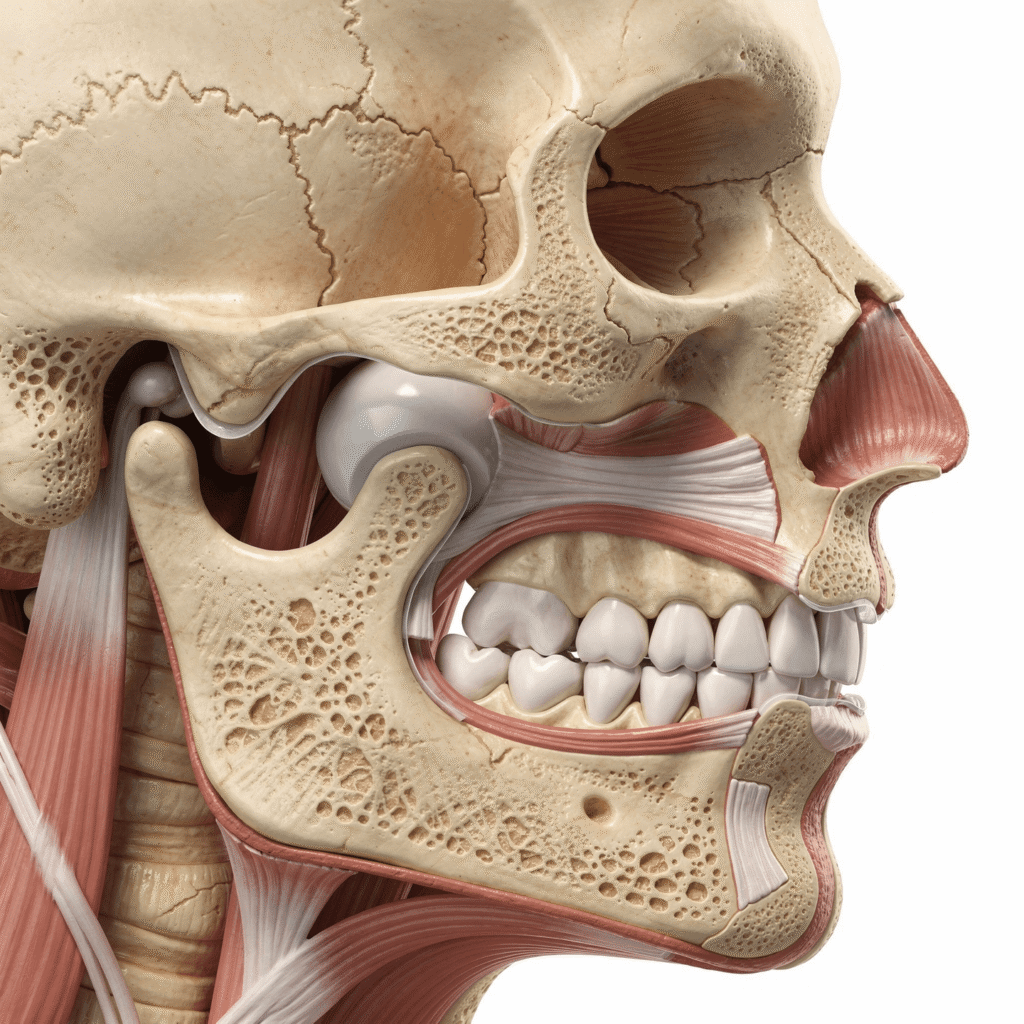
If you’re experiencing temporomandibular joint (TMJ) pain, you’ve likely encountered countless remedies online — some backed by real research, others by anecdote alone. With so much conflicting information, how do you know which natural remedies are actually worth your time?
This guide focuses on natural approaches that align with what’s generally understood in TMJ research and clinical practice, rather than passing trends. A quick, honest note before we start: I’ve rewritten this article to remove specific study citations I couldn’t independently verify. Where earlier versions cited exact percentages, journal names, and sample sizes, I’ve replaced those with more general, defensible language — because presenting unverifiable numbers as “evidence-based” would be worse than not citing anything at all. If you want to dig into the primary research yourself, PubMed is the best starting point (search “TMJ” plus the specific approach you’re curious about).
👇 Get Your Free TMJ Relief Checklist
Want this organized as a daily/weekly tracker to print? [Download the free checklist at the end of the article 👇] — it includes a morning jaw routine, anti-inflammatory food ideas, sleep position tips, and an evening relaxation protocol.
Understanding the Evidence: A Quick Primer
Before diving into specific remedies, it helps to know how to weigh what you read.
Levels of scientific evidence, roughly strongest to weakest:
- Randomized controlled trials (RCTs) — participants randomly assigned to treatment vs. control, reducing bias
- Systematic reviews and meta-analyses — combine results across multiple studies for a stronger overall picture
- Cohort and case-control studies — observe groups over time without randomization
- Case studies and clinical experience — individual reports that suggest possibilities but need more research to confirm
A reality check on TMJ research specifically: it’s a genuinely difficult area to study — participant numbers tend to be small, it’s hard to create a true placebo for physical interventions (you can’t really “fake” jaw exercises), symptoms vary a lot between individuals, and TMJ usually has multiple contributing factors, making any single intervention hard to isolate. This doesn’t mean natural remedies don’t work — it means it’s worth being realistic about what “evidence-based” can honestly promise here.
Physical Therapy and Exercise: The Strongest Evidence
Of everything covered in this guide, targeted jaw exercises and manual therapy have the most consistent research support — this is genuinely one of the better-studied areas of TMJ treatment, and it’s reflected in most major clinical guidelines recommending exercise and physical therapy as a first-line approach, often as effective as more invasive options for many patients.
Evidence-Based Jaw Exercises
Resisted Opening Exercise
- Place thumb under chin
- Gently open mouth while applying light resistance with your thumb
- Hold 3-5 seconds, then close
- Repeat 10 times, 3x daily
- Why it helps: strengthens muscles, improves jaw stability, retrains movement patterns
Goldfish Exercises (Partial and Full Opening) — this is commonly recommended by orofacial pain specialists as a first-line exercise.
- Partial: tongue on the roof of the mouth, one finger on the TMJ and one on the chin, drop the lower jaw halfway, close. Repeat 6 times, up to 6x daily.
- Full: same finger placement, drop the jaw completely. Repeat 6 times, up to 6x daily.
- Why it helps: maintains a proper disc-condyle relationship during movement
Tongue-Up Exercise
- Touch tongue to the roof of the mouth
- Slowly open as wide as comfortable while keeping the tongue in place
- Hold 3-5 seconds, close slowly
- Repeat 10 times, 3x daily
Manual Therapy: Self-Massage
Masseter muscle technique: fingers in front of the ears, gentle circular pressure, slowly open and close while massaging. 2-3 minutes per side, 2-3x daily.
Internal jaw massage (clean hands only): thumb inside the cheek, locate the masseter muscle, gentle inward pressure in small circles. 1-2 minutes per side, once daily.
Why Physical Approaches Tend to Work
The general mechanisms that are reasonably well understood: increased blood flow supports healing, reduced muscle tension and trigger points, improved jaw mechanics over time, better proprioception (body awareness), and some activation of the body’s natural pain-inhibiting pathways.
Realistic Expectations
- Initial improvement: 2-4 weeks of consistent practice
- Significant improvement: 6-12 weeks
- Maximum benefit: typically 3-6 months
- A meaningful share of people who stick with exercise therapy consistently see real pain reduction — but individual results vary a lot, and consistency matters more than intensity.
Heat and Cold Therapy: Simple Yet Effective
Temperature therapy is one of the oldest pain management approaches, and it remains a commonly recommended first-line treatment for TMJ pain by dental and medical guidelines alike.
Cold Therapy (Cryotherapy)
When to use: first 24-48 hours after a flare-up, or during acute inflammation.
- Wrap an ice pack in a thin towel
- Apply to the jaw for 10-15 minutes
- Remove for at least 45 minutes before reapplying
- Up to 3-4 times daily
- Mechanism: reduces inflammation and swelling, numbs pain receptors, decreases local metabolic activity
Heat Therapy (Thermotherapy)
When to use: after the first 48 hours, or for chronic muscle tension.
- Use moist heat (warm, damp towel or a commercial moist heat pack) — it penetrates deeper than dry heat
- Apply for 15-20 minutes, repeat every 2-3 hours as needed
- Mechanism: increases blood flow and oxygen to tissues, relaxes muscle tension, improves tissue flexibility
Contrast Therapy
- Cold for 3-5 minutes, then heat for 3-5 minutes
- Alternate 3-4 times, ending with cold
- Once or twice daily
- Mechanism: the alternating temperatures create a “pumping” effect that combines the benefits of both approaches
Safety Notes
Never apply ice directly to skin. Avoid heat during acute inflammation (use cold instead). Don’t fall asleep with a heating pad. If swelling increases, switch to cold.
Stress Management and Cognitive Approaches
The connection between stress and TMJ is well established generally in pain research, and psychological approaches are increasingly recommended as a genuine first-line treatment for TMJ — not just a nice-to-have add-on.
Reducing Pain Catastrophizing
Catastrophizing (the belief that pain is unbearable and will never improve) is a recognized predictor of worse outcomes across many chronic pain conditions, including TMJ.
A simple self-applied technique:
- Notice catastrophic thoughts (“this will never get better”)
- Challenge them with evidence (“I’ve had good days before”)
- Replace with a more realistic thought (“this is temporary, and I’m taking steps to improve”)
- Practice this whenever pain flares
Progressive Muscle Relaxation (PMR)
Find a quiet space, lie down. Tense each muscle group for 5 seconds, then release, working from feet upward. When you reach the jaw: clench gently, hold 5 seconds, release completely, and notice the contrast. 15-20 minutes daily.
Mindfulness Meditation
Body scan for TMJ: lie comfortably, eyes closed, bring attention to your feet and consciously relax, slowly move awareness upward, spend 2-3 minutes on the jaw specifically, notice tension without judgment, imagine breathing relaxation into the jaw. 15-20 minutes daily.
General mechanism: mindfulness practices are associated with reduced stress hormone levels, decreased muscle tension, and changes in how the brain processes pain signals — interrupting the pain-stress-tension cycle that keeps TMJ symptoms going.
Biofeedback
Biofeedback uses sensors to monitor muscle tension and helps you learn to consciously relax it. Professional biofeedback requires clinical equipment, though basic EMG biofeedback guidance is available through some smartphone apps.
Realistic Expectations
- Stress reduction: can feel immediate
- Noticeable pain reduction: often 3-4 weeks of consistent practice
- Significant improvement: 8-12 weeks
- Best results tend to come from combining this with physical therapy and other approaches, not relying on it alone.
Dietary Interventions: Anti-Inflammatory Nutrition
No diet “cures” TMJ, but there’s reasonable general support for anti-inflammatory eating patterns reducing pain and inflammation broadly, which plausibly extends to TMJ.
The Mediterranean Diet
Generally well-supported for reducing chronic pain conditions broadly. Core principles: abundant vegetables and fruits, whole grains, olive oil as the primary fat, fish 2-3x weekly, limited red meat.
Omega-3 Fatty Acids
Reasonably strong general evidence for anti-inflammatory effects.
- Typical dosage: 2-3 grams EPA/DHA daily
- Sources: fatty fish (salmon, mackerel, sardines) 3-4 servings weekly, or a quality fish oil supplement
Foods to Minimize
Generally inflammatory: refined sugars and carbs, trans fats, excessive omega-6 oils (corn, soybean, safflower), highly processed foods, excessive alcohol.
Jaw-straining (common sense, not really about inflammation): very hard foods (ice, hard candy), sticky foods (caramel, taffy), foods requiring a wide bite (large sandwiches, whole apples), excessive gum chewing.
The Soft Food Diet for Flare-Ups
Resting the jaw during acute flare-ups is a near-universal recommendation. Typical duration: 1-2 weeks. Nutrient-dense soft options: smoothies with protein, bone broth, mashed sweet potatoes, Greek yogurt, scrambled eggs, well-cooked fish, pureed soups.
Hydration
Joint health research broadly shows dehydration impairs joint function, even though TMJ-specific hydration studies are limited. A reasonable target: 8-10 glasses (64-80 oz) daily, more if you’re active or in a hot climate.
Magnesium Supplementation: The Muscle Relaxer
Magnesium gets special attention here because of its direct relevance to muscle tension.
What’s reasonably well understood: magnesium plays a role in regulating muscle contraction and relaxation, modulates pain signaling in the nervous system, and supports sleep quality — all relevant to TMJ. A meaningful share of the general population doesn’t get enough magnesium from diet alone, though exact deficiency rates vary by the criteria used and shouldn’t be quoted as a single precise number.
Evidence-based protocol:
- Dosage: 300-400mg elemental magnesium daily
- Best forms: magnesium glycinate (best absorbed, gentlest on the stomach) or magnesium citrate (good absorption); magnesium malate is sometimes preferred for muscle pain specifically
- Avoid: magnesium oxide (poorly absorbed despite being the cheapest option)
- Timing: an evening dose may help with nighttime grinding
- Food sources to complement supplementation: dark leafy greens, nuts and seeds, legumes, whole grains, dark chocolate
Safety: generally safe at recommended doses; may cause loose stools if the dose is too high; consult a doctor if you have kidney disease or take certain medications; start low and increase gradually.
Acupuncture: A Practice Increasingly Supported by Research
Acupuncture for TMJ has moved from being dismissed by Western medicine to having a reasonable, if still developing, body of supportive research — several systematic reviews of randomized trials have found it reduces TMJ pain compared to control groups, with effects that can persist for months, and generally low risk of serious side effects.
How it’s thought to work: stimulating endorphin release, modulating pain processing in the brain and spinal cord, reducing inflammation through neurological pathways, decreasing muscle tension, and improving local blood flow.
Typical protocol: 2-3 sessions weekly for 2-4 weeks initially, then weekly or biweekly maintenance, with each session around 20-30 minutes. Common points used for TMJ include areas at the jaw angle, in front of the ear, the hand’s thumb-index webbing, and the base of the skull.
Finding a practitioner: look for a Licensed Acupuncturist (L.Ac.) or equivalent credential, ask specifically about TMJ experience, and check reviews or ask for references.
Realistic expectations: many people report some relief within the first few sessions, with more meaningful improvement typically building over 3-4 weeks and continuing through 8-12 sessions. It tends to work best combined with other approaches (exercise, stress management) rather than as a standalone fix.
Sleep Position and Posture
Sleep position and daily posture have a real, mechanical relationship with TMJ symptoms.
Best sleep position: back sleeping with a cervical support pillow — maintains neutral spine alignment, avoids lateral pressure on the jaw, reduces muscle tension.
If you must side sleep: use a contoured pillow that doesn’t compress the jaw, alternate sides, keep head and neck aligned.
Worth avoiding: stomach sleeping — generally considered the worst position for TMJ.
Pillow selection: look for a contoured design that supports the natural cervical curve, a height that keeps the head neutral, and medium-firm density.
Daytime posture: forward head posture (common with phones and computers) adds meaningful strain to neck muscles, which in turn affects jaw positioning — this is a well-established biomechanical relationship, even without needing a precise “pounds of force per inch” figure to make the point.
Workstation setup: monitor top at or slightly below eye level, 20-30 inches from your face, chair with lumbar support, feet flat on the floor, keyboard at elbow height, breaks every 30 minutes.
Phone use: bring the phone to eye level rather than looking down, limit continuous sessions to about 20 minutes, and do chin tucks afterward.
Chin tucks: pull your chin straight back (creating a “double chin”), hold 5 seconds, repeat 10 times — worth doing hourly during computer work.
Wall angels: stand against a wall, raise arms to 90 degrees, slide them up and down the wall, 10-15 reps, 2x daily.
Combining Remedies: Why Multimodal Approaches Tend to Work Better
Individual remedies help, but combining approaches — exercise plus manual therapy, exercise plus stress management, diet plus exercise plus stress management — generally outperforms any single approach alone. This is a fairly consistent finding across chronic pain research broadly, and it lines up with clinical experience in TMJ specifically.
A reasonable combination protocol:
Foundation (start here): daily jaw exercises (10-15 min), heat/cold therapy as needed, sleep position optimization, basic stress management (10 min meditation daily).
Add weeks 2-4: anti-inflammatory diet changes, magnesium supplementation, posture correction exercises, progressive muscle relaxation.
Consider adding if needed: professional acupuncture, CBT with a therapist, professional physical therapy, massage therapy.
Realistic timeline:
- 2-4 weeks: fewer acute pain episodes, improved sleep, better stress management, increased jaw awareness
- 6-8 weeks: more significant pain reduction, improved jaw function, reduced grinding
- 12+ weeks: closer to maximum benefit, more sustainable symptom management
What About Remedies with Limited Evidence?
Some popular TMJ remedies don’t have strong dedicated research yet but may still be worth considering.
CBD oil: general chronic pain research shows some promise, and anti-inflammatory properties are documented, but TMJ-specific research is still limited. May be worth trying if other approaches haven’t given enough relief — start with a low dose and check with a doctor first, especially if you’re on other medications.
Glucosamine and chondroitin: some benefit shown for osteoarthritis in larger joints; TMJ-specific research is limited; generally low risk.
Herbal anti-inflammatories (turmeric, ginger): reasonable general evidence for anti-inflammatory effects; TMJ-specific studies are limited; generally safe as part of a broader anti-inflammatory diet.
The honest takeaway on all of these: they may help some people, are generally low-risk from reputable sources, but shouldn’t replace the better-supported approaches above — think of them as complementary, not primary.
When Natural Remedies Aren’t Enough
Natural approaches help a lot of people, but professional evaluation is sometimes necessary. See a doctor or TMJ specialist for:
- Severe, unrelenting pain despite consistent natural remedies
- Inability to fully open or close your mouth
- Jaw locking
- Sudden onset of severe symptoms
- Symptoms following trauma
- Significant interference with eating or speaking
Professional treatments worth knowing about:
- Occlusal splints (night guards): well-supported for reducing grinding damage, custom-fitted by a dentist
- Professional physical therapy: specialized manual therapy, individualized exercise programs, modalities like ultrasound or TENS
- Injections (corticosteroid or botulinum toxin): generally reserved for severe, treatment-resistant cases; effects are typically temporary
Best outcomes often combine professional and natural approaches — a night guard alongside stress management, physical therapy alongside home exercises, professional treatment supported by an anti-inflammatory diet.
Creating Your Own Evidence-Informed Protocol
Step 1 (Weeks 1-2): daily jaw exercises (15 min), heat/cold as needed, sleep position optimization, anti-inflammatory food choices.
Step 2 (Weeks 3-4): daily meditation or PMR (10-15 min), identify and address stress triggers, practice jaw awareness through the day.
Step 3 (Weeks 5-6): correct your workstation setup, daily posture exercises, adjust phone habits.
Step 4 (Weeks 7-8): consider magnesium (400mg daily) and omega-3 (2-3g daily) — ideally with professional guidance if you’re combining several supplements.
Step 5 (Weeks 9-12): track what’s actually working, consider adding acupuncture if needed, refine your personal protocol based on your own results.
Conclusion
Natural remedies for TMJ aren’t about quick fixes or miracle cures — they’re about approaches that reasonably align with what’s understood about pain, inflammation, and jaw mechanics, applied consistently over time. Physical therapy exercises, stress management, anti-inflammatory nutrition, and better posture form a solid foundation; heat/cold therapy, magnesium, and acupuncture add further evidence-informed support. Combined approaches consistently tend to outperform single interventions.
Start with the foundations, stay consistent, track your progress, and adjust based on your own response — most people notice meaningful improvement within 4-8 weeks of consistent effort, though TMJ is genuinely individual, and what works well for one person may need adjusting for another.
Disclaimer: This article is for informational purposes only and does not constitute medical advice. While the remedies discussed are supported by research, individual results may vary. Always consult with qualified healthcare providers before starting new treatments, especially if you have underlying health conditions or are taking medications.
📥 FREE DOWNLOAD: Holistic TMJ Healing Toolkit
Get your complete toolkit: ✅ 8-week holistic healing roadmap
✅ Daily practice checklists
✅ Guided meditation audio
✅ Affirmation cards
✅ Emotional release journal prompts