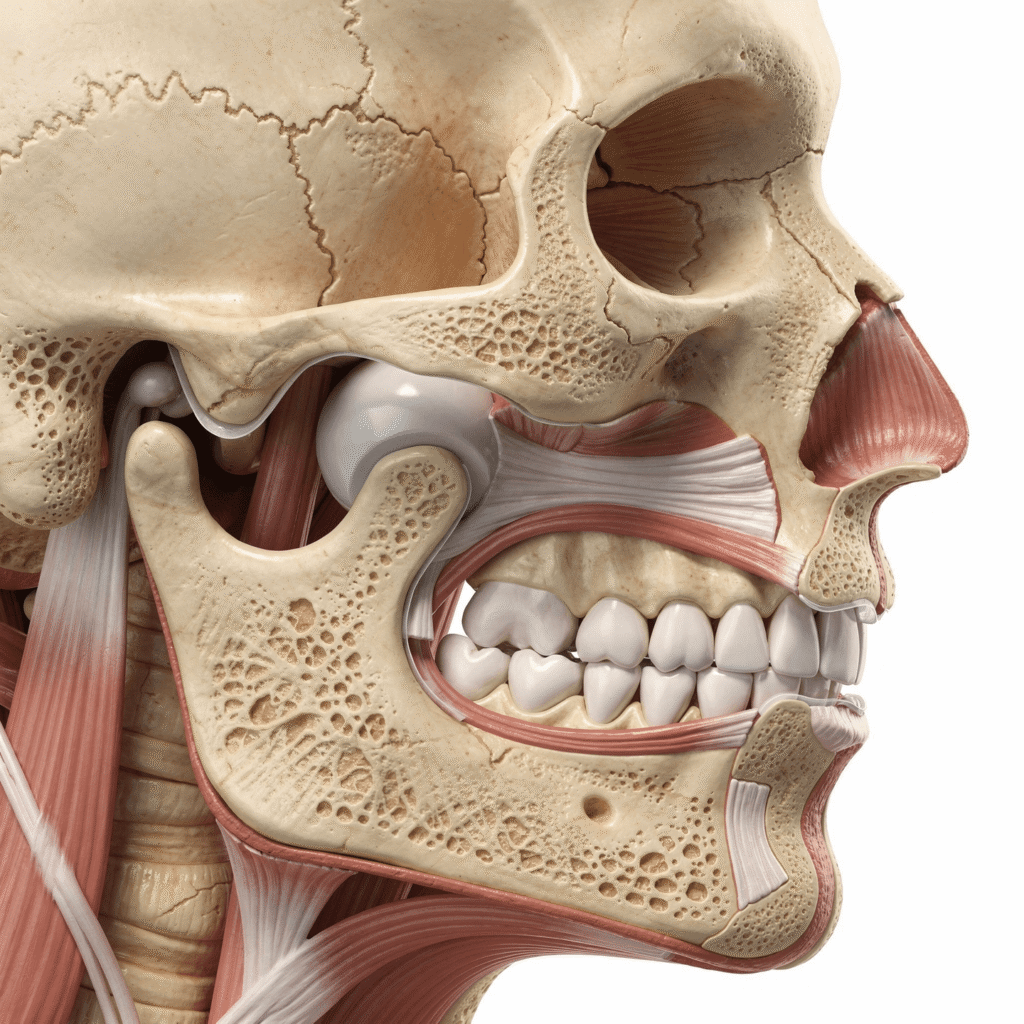
TMJ-Friendly Diet. You’ve mastered the exercises, optimized your sleep position, and even learned to manage stress. But have you considered that your kitchen might be hiding the key to your next breakthrough—or the source of your next flare-up? What you put on your plate plays a surprisingly powerful role in TMJ management, influencing inflammation, muscle tension, and even the mechanical load on your aching joint.
The Inflammatory Connection: Why Diet Matters for TMJ
Your temporomandibular joint, like all joints in your body, is susceptible to inflammation. When you have TMJ disorder, this inflammation can be a primary driver of pain, swelling, and stiffness. The foods you eat can either fan the flames of inflammation or help extinguish them.
The Two-Way Impact of Food:
- Systemic Inflammation: Certain foods trigger your body’s inflammatory response, circulating chemicals that can worsen joint pain throughout your body, including your TMJ.
- Mechanical Stress: The physical act of chewing certain foods directly stresses your jaw joint and muscles. Hard, crunchy, or chewy foods require more force and repetitive motion, potentially overworking already strained tissues.
By adjusting your diet on both fronts—choosing anti-inflammatory foods while avoiding mechanically challenging ones—you create an environment where your jaw can heal.
20 Foods That Heal: Your TMJ-Friendly Shopping List
Anti-Inflammatory Superstars
These foods actively combat inflammation, providing systemic relief that can reduce joint pain and muscle tension.
1. Fatty Fish (Salmon, Mackerel, Sardines)
Rich in omega-3 fatty acids, which are nature’s most potent anti-inflammatories. Aim for 2-3 servings weekly.
2. Leafy Greens (Spinach, Kale, Swiss Chard)
Packed with vitamin E and antioxidants that protect cells from inflammatory damage. Steam lightly for easier chewing.
3. Berries (Blueberries, Strawberries, Raspberries)
Anthocyanins give berries their color and their powerful anti-inflammatory properties. Blend into smoothies for easy consumption.
4. Turmeric
Curcumin, the active compound in turmeric, is a powerful anti-inflammatory. Combine with black pepper for better absorption.
5. Ginger
Contains gingerols, which inhibit inflammatory compounds. Fresh ginger tea is soothing and easy to prepare.
6. Extra Virgin Olive Oil
Rich in oleocanthal, which works similarly to anti-inflammatory medications. Drizzle over soft vegetables or use in gentle cooking.
7. Nuts and Seeds (Almonds, Walnuts, Flaxseeds, Chia Seeds)
Excellent sources of healthy fats and magnesium, which helps relax muscles. Grind or soak for easier chewing.
8. Pineapple
Contains bromelain, an enzyme with natural anti-inflammatory effects. Fresh pineapple is most potent; enjoy in smoothies.
9. Bone Broth
Rich in collagen and amino acids that support joint health. Sip warm for a soothing, nutrient-dense treat.
10. Green Tea
Packed with polyphenols, particularly EGCG, which reduces inflammation. Enjoy warm, not hot, to avoid temperature sensitivity.
Nutrient-Dense Soft Foods
These foods provide essential nutrients while requiring minimal chewing effort.
11. Avocados
Creamy texture, healthy fats, and magnesium for muscle relaxation. Mash on soft bread or enjoy as guacamole.
12. Sweet Potatoes
Beta-carotene and vitamin C support immune function and healing. Bake until very soft and mash.
13. Oatmeal
Fiber-rich and comforting. Choose rolled or steel-cut oats cooked soft, and avoid instant varieties with added sugar.
14. Greek Yogurt
Protein and probiotics for gut health (which influences inflammation). Choose plain varieties to avoid added sugar.
15. Bananas
Potassium helps prevent muscle cramps. Very ripe bananas are softer and easier to eat.
16. Hummus
Chickpeas provide protein and fiber in an easy-to-eat form. Enjoy with soft vegetables like steamed carrots.
17. Scrambled Eggs
High-quality protein that’s naturally soft. Cook gently and avoid tough additions.
18. Smoothies
The ultimate TMJ-friendly meal. Combine berries, spinach, protein powder, yogurt, and nut butters for complete nutrition.
19. Cooked Vegetables (Carrots, Zucchini, Squash)
Steaming or roasting until very soft makes vegetables easy to eat while preserving nutrients.
20. Soups and Stews
Warm, comforting, and infinitely variable. Puree for extra ease if needed.
10 Foods to Avoid: Common TMJ Triggers
Foods That Increase Inflammation
These foods promote systemic inflammation and should be minimized.
1. Processed Sugars
Found in sodas, candies, baked goods. Sugar triggers inflammatory chemicals called cytokines. Read labels carefully.
2. Refined Grains (White Bread, Pasta, Rice)
Quickly convert to sugar in your body, promoting inflammation. Choose whole grains cooked soft instead.
3. Fried Foods
High in advanced glycation end products (AGEs) that stimulate inflammation. Avoid fast food, fried chicken, french fries.
4. Processed Meats (Sausage, Bacon, Deli Meats)
High in saturated fats and preservatives linked to inflammation. Choose fresh, lean proteins instead.
5. Excessive Alcohol
Dehydrates tissues and increases inflammation. If you drink, do so moderately and with plenty of water.
6. Vegetable Oils (Corn, Soybean, Sunflower)
High in omega-6 fatty acids, which can promote inflammation when unbalanced with omega-3s. Use olive oil instead.
Foods That Stress Your Jaw Mechanically
These foods require excessive chewing force and can directly aggravate your TMJ.
7. Hard, Crunchy Foods
- Avoid: Raw carrots, apples, hard crackers, nuts (whole), popcorn, hard candies, ice cubes
- Why: Require forceful biting and can trigger sharp pain or joint strain
8. Chewy, Tough Foods
- Avoid: Bagels, hard bread crusts, steak, jerky, taffy, gum, caramel
- Why: Prolonged chewing fatigues jaw muscles and stresses the joint
9. Sticky Foods
- Avoid: Dried fruit, chewy candies, peanut butter (thick), sticky rice
- Why: Adhere to teeth, requiring extra effort to clean and often leading to clenching
10. Foods Requiring Wide Opening
- Avoid: Whole apples, corn on the cob, giant sandwiches, burgers with tall toppings
- Why: Extreme jaw opening can strain the joint and potentially cause locking
Sample TMJ-Friendly Meal Plan
Day 1
- Breakfast: Oatmeal with mashed banana and cinnamon
- Lunch: Creamy tomato soup + soft grilled cheese on soft bread
- Dinner: Baked salmon + mashed sweet potatoes + steamed spinach
- Snack: Greek yogurt with berry puree
Day 2
- Breakfast: Scrambled eggs + sliced avocado
- Lunch: Hummus and soft vegetable wrap (thin tortilla)
- Dinner: Slow-cooked chicken stew with soft vegetables
- Snack: Smoothie (banana, spinach, protein powder, almond milk)
Day 3
- Breakfast: Smoothie bowl with soft toppings
- Lunch: Quinoa bowl with steamed veggies and soft-cooked beans
- Dinner: Baked white fish + mashed cauliflower + sautéed zucchini
- Snack: Applesauce (unsweetened)
Practical Tips for TMJ-Friendly Eating
Food Preparation Strategies
Steam vegetables until very tender rather than eating raw.
Slow-cook meats until they fall apart easily.
Blend or puree soups, sauces, and even fruits for easier consumption.
Cut foods into small pieces to minimize chewing required.
Soak grains longer and cook with extra water for softer texture.
Eating Habits That Help
Take smaller bites to reduce jaw opening.
Chew slowly and mindfully, alternating sides.
Cut food with utensils instead of tearing with teeth.
Avoid chewing gum entirely—it’s constant work for tired muscles.
Stay hydrated to keep joint tissues lubricated.
When to Eat Soft Foods Exclusively
During acute flare-ups, consider a temporary soft food diet for 3-7 days to give your jaw complete rest. Focus on:
- Smoothies
- Soups (pureed)
- Yogurt
- Mashed vegetables
- Protein shakes
- Oatmeal
- Scrambled eggs
FAQ: Your TMJ Diet Questions Answered
Q1: How long until I notice improvement from dietary changes?
A: Some people notice reduced inflammation within 1-2 weeks. Significant improvement typically takes 3-4 weeks of consistent eating. Keep a food diary to identify your personal triggers.
Q2: Can certain foods actually cure my TMJ?
A: No food cures TMJ disorders, but an anti-inflammatory diet can significantly reduce symptom severity and frequency. Think of diet as a powerful supportive tool, not a standalone cure.
Q3: I love crunchy foods. Do I have to give them up forever?
A: Not necessarily. During healing phases, avoid them strictly. As symptoms improve, you may gradually reintroduce some crunchy foods in small amounts, paying attention to your body’s response.
Q4: Are there supplements that help with TMJ?
A: Some evidence supports:
- Magnesium: Helps relax muscles
- Omega-3s: Reduce inflammation
- Vitamin D: Supports overall joint health
- Turmeric/curcumin: Anti-inflammatory
Always consult your healthcare provider before starting supplements.
Q5: What about caffeine?
A: Caffeine can increase muscle tension and contribute to teeth grinding. Consider reducing or eliminating it, especially after noon, and monitor how your jaw feels.
Q6: Does drinking water help?
A: Absolutely. Dehydration can increase muscle tension and reduce joint lubrication. Aim for 8 glasses daily, sipping throughout the day rather than gulping.
Q7: Can children with TMJ benefit from dietary changes?
A: Yes, the same principles apply. Focus on nutrient-dense soft foods and limit inflammatory options. Ensure they’re getting adequate nutrition for growth.
Q8: What if I have other dietary restrictions (allergies, diabetes)?
A: Work with a healthcare provider to adapt these guidelines to your specific needs. The core principles—anti-inflammatory, mechanically soft foods—can be applied within most dietary frameworks.
Conclusion: Nourishing Your Path to Relief
Your kitchen is more than just a place to prepare meals—it’s a potential pharmacy of healing foods and a space where you have complete control over one aspect of your TMJ management. By choosing foods that cool inflammation and spare your joint from mechanical stress, you’re not just eating; you’re actively participating in your healing process.
Start small: this week, add one anti-inflammatory food to your daily routine and identify one trigger food to minimize. Next week, try a new soft-food recipe. Over time, these small changes compound into a dietary pattern that supports rather than sabotages your TMJ health.
Remember that perfection isn’t the goal. Some days you’ll eat perfectly; others, you’ll eat whatever’s available. Be kind to yourself while consistently moving toward foods that heal.
For a comprehensive approach to TMJ management, explore our Complete Evening Routine for TMJ Sufferers and TMJ and Stress: Breaking the Cycle.