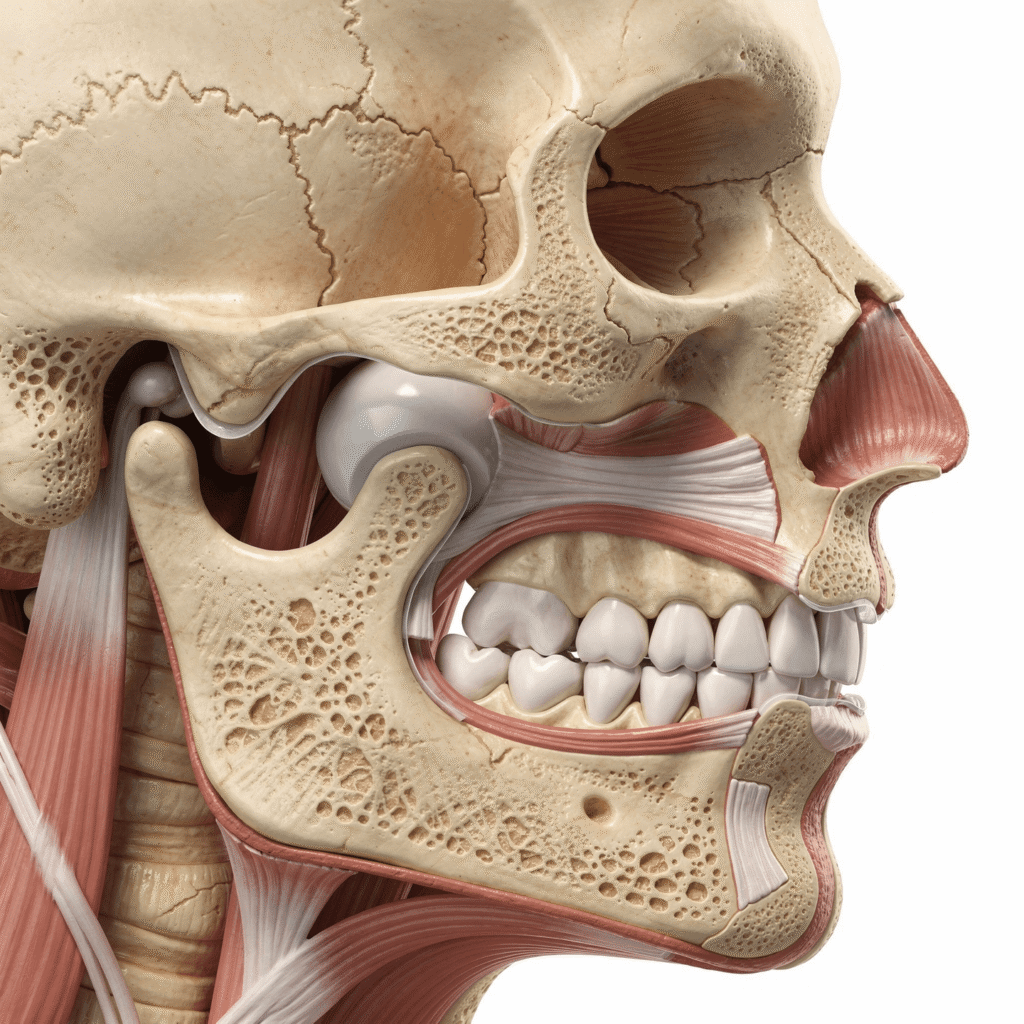
Morning Routine for TMJ Relief. Your alarm goes off, and before you even open your eyes, you feel it—that familiar tightness in your jaw, the dull ache radiating toward your temples, the stiffness that makes your first yawn of the day an exercise in caution. For TMJ sufferers, mornings can be the hardest part of the day. But what if you could transform those first waking moments from a painful ordeal into a healing ritual? This complete morning routine is designed to gently ease your jaw into the day, releasing nighttime tension and setting you up for hours of comfort.
Why Mornings Matter for TMJ Management
During sleep, your body enters a parasympathetic state where healing theoretically occurs. But for many with TMJ disorders, nighttime is when unconscious clenching and grinding (bruxism) reach their peak. Your jaw muscles can work for hours without rest, waking up exhausted and inflamed.
The first 30 minutes after waking offer a golden opportunity to:
- Assess the state of your jaw after sleep
- Release accumulated tension before it sets in for the day
- Prevent daytime clenching patterns from taking hold
- Establish a calm, mindful tone that reduces overall stress
This routine takes just 10-15 minutes and can dramatically change how your jaw feels for the next 16 waking hours.
Your 10-Step Morning TMJ Relief Routine
Step 1: Body Awareness (1 minute)
Before you even sit up in bed, take 30 seconds to simply notice:
- Is your jaw clenched or relaxed?
- Are your teeth touching?
- Where is your tongue resting?
- Is there any tension in your forehead, neck, or shoulders?
Don’t judge—just observe. This awareness alone begins the process of conscious relaxation.
Step 2: Diaphragmatic Breathing (2 minutes)
Sit up slowly and place one hand on your chest, the other on your belly. Inhale deeply through your nose, feeling your belly expand (your chest should move minimally). Exhale slowly through your mouth.
The 4-4-4-4 Box Breath:
- Inhale for 4 counts
- Hold for 4 counts
- Exhale for 4 counts
- Pause for 4 counts
- Repeat 4 times
This activates your parasympathetic nervous system, signaling your body that it’s safe to relax.
Step 3: Warm Compress (3-5 minutes)
Apply a warm, moist compress to both sides of your face, focusing on the area just in front of your ears (where your TMJ is located) and along your jaw muscles.
Why it works: Heat increases blood flow to tight muscles, promotes relaxation, and can reduce morning stiffness. The warmth also has a calming effect on the nervous system.
No compress? A warm shower with water directed at your jaw and neck works beautifully.
Step 4: Gentle Jaw Stretches (3 minutes)
While the warmth is still working its magic, perform these gentle stretches:
The Goldfish Stretch (Partial Opening)
Place your tongue on the roof of your mouth. Slowly lower your lower jaw, keeping your tongue in place. Hold for 5-10 seconds, then close. Repeat 5 times.
The Goldfish Stretch (Full Opening)
Same position, but this time allow your tongue to drop as you open fully. Hold for 5 seconds, close. Repeat 5 times.
Side-to-Side Glide
Keeping your teeth slightly apart, slowly move your lower jaw to the right as far as comfortable. Hold 5 seconds. Return to center. Repeat left side. Do 5 repetitions each side.
Forward Glide
Move your lower jaw forward so your bottom teeth are slightly ahead of your top teeth. Hold 5 seconds. Return to center. Repeat 5 times.
Step 5: Self-Massage (3 minutes)
Using your fingertips, gently massage these key areas:
Masseter Muscles (Cheek Area)
Place your fingers on your cheeks, just below your cheekbones. Make small, circular motions, pressing gently but firmly. Work along the muscle toward your jawline. Spend 1 minute on each side.
Temporalis Muscles (Temples)
Place your fingertips on your temples. Make slow circles, gradually widening the area. Spend 30 seconds on each side.
Neck and Shoulders
Gently squeeze and knead the muscles where your neck meets your shoulders. Use opposite hand for each side. Spend 1 minute total.
Step 6: Neck and Posture Reset (2 minutes)
Chin Tucks
Stand with your back against a wall. Gently draw your chin straight back (creating a “double chin”) while keeping your head level. Hold 5 seconds. Repeat 10 times.
Shoulder Rolls
Roll your shoulders forward 5 times, then backward 5 times, moving slowly and deliberately.
Neck Stretches
Gently tilt your head toward your right shoulder, using your right hand for a light stretch if comfortable. Hold 20 seconds. Repeat left side.
Step 7: Hydration Check (1 minute)
Drink a full glass of water. Dehydration increases muscle tension throughout your body, including your jaw. Starting your day hydrated sets a positive pattern.
Pro tip: Keep water by your bed and drink some before even beginning your routine.
Step 8: Tongue and Jaw Position Reset (30 seconds)
Throughout the day, your tongue should rest gently on the roof of your mouth, just behind your front teeth. Your teeth should be slightly apart, lips together. This “N” position (as if you’re saying the letter “N”) is the natural resting posture for a relaxed jaw.
Practice this position now and commit to checking it periodically throughout the day.
Step 9: Mindful Intention Setting (1 minute)
Before you rush into your day, take a moment to set an intention:
- “Today, I will notice when I’m clenching and choose to relax.”
- “I will give my jaw permission to rest.”
- “I will eat mindfully and stop if I feel discomfort.”
This mental preparation primes your brain to support your jaw health throughout the day.
Step 10: TMJ-Friendly Breakfast Choice (1 minute planning)
Consider what you’ll eat for breakfast. Will it support your TMJ or challenge it?
Good choices:
- Oatmeal with soft fruits
- Smoothies
- Scrambled eggs
- Yogurt with mashed banana
- Soft whole grain toast (crusts removed if needed)
Avoid:
- Hard bagels
- Chewy granola bars
- Raw apples or carrots
- Tough meats
- Gum (never!)
Quick Version: 3-Minute Morning Mini-Routine
For rushed mornings, this abbreviated version still provides benefit:
- 30 seconds: Deep breathing in bed
- 30 seconds: Goldfish stretch (5 reps)
- 1 minute: Quick massage of jaw muscles while warm water runs in shower
- 30 seconds: Chin tucks during tooth brushing
- 30 seconds: Set intention while applying moisturizer
Integrating Your Routine: Tracking and Adjusting
Week 1-2: Foundation
Perform the full routine daily. Note in a journal:
- Morning pain level (1-10)
- Which steps felt most beneficial
- Any challenges or time constraints
Week 3-4: Refinement
Based on your notes, customize the routine:
- Lengthen steps that help most
- Shorten or skip those with less impact
- Experiment with timing (before shower? after?)
Week 5+: Habit Integration
The routine should feel automatic by now. Continue with your personalized version, occasionally revisiting the full routine to ensure you haven’t missed beneficial elements.
Common Questions About Morning TMJ Routines
Q1: What if I’m in too much pain to do these exercises?
A: If you’re experiencing an acute flare-up, skip active exercises and focus only on heat, gentle massage, and hydration. Consult your healthcare provider if severe pain persists.
Q2: How long until I notice improvement?
A: Many people feel some immediate relief from heat and massage. Significant cumulative improvement typically takes 2-4 weeks of consistent practice.
Q3: Can I do this routine if I have jaw locking?
A: Proceed with extreme caution. If your jaw locks, do not force movement. Stick to heat and very gentle massage only, and consult your specialist.
Q4: Should I do this routine even on weekends?
A: Especially on weekends! Consistency builds habit. Your jaw doesn’t take days off.
Q5: What about combining this with my evening routine?
A: Perfect! Morning and evening routines complement each other beautifully. The evening routine releases the day’s tension; the morning routine resets after sleep. Together, they provide 24-hour support.
Q6: Can I do these exercises at my desk later in the day?
A: Absolutely. The goldfish stretch, tongue position check, and neck stretches are excellent “micro-breaks” throughout the workday.
Conclusion: Your Morning, Transformed
Those first moments after waking no longer need to be a painful reminder of your TMJ struggles. With this morning routine, you reclaim that time as an opportunity for healing and self-care. Each gentle stretch, each mindful breath, each warm compress is a message to your body: “We’re going to take care of you today.”
Start tomorrow. Even if you only do the first three steps, you’ve already done more than you did yesterday. Build from there, listening to your body, celebrating small victories, and trusting that consistency will compound into lasting relief.
Your jaw has been through a lot. Give it these 10 minutes each morning, and watch how your entire day transforms.
For comprehensive TMJ care, explore our evening routine and learn about The Complete Evening Routine for TMJ Sufferers to create 24-hour support for your jaw health.