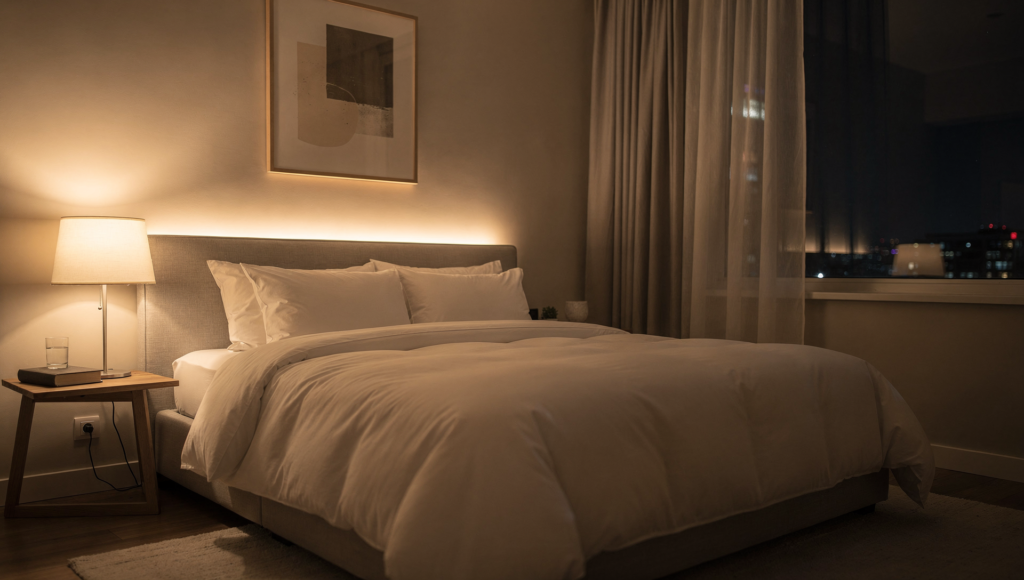
The connection between sleep and jaw health is profound and often overlooked. If you’re experiencing TMJ pain, there’s a strong chance your sleep quality is suffering—and conversely, poor sleep makes TMJ symptoms worse, creating a frustrating cycle that’s difficult to break.
Consider this: during sleep, most people unconsciously clench or grind their teeth, a condition called sleep bruxism. This nighttime tension can undo all the progress you make during your waking hours. Meanwhile, TMJ pain itself disrupts sleep, preventing you from reaching the deep, restorative stages your body needs to heal.
This comprehensive guide explores the intricate relationship between sleep and TMJ disorders, and provides natural, evidence-based solutions to improve both. By optimizing your sleep, you’re not just getting better rest—you’re giving your jaw the recovery time it desperately needs.
The Sleep-TMJ Connection: Understanding the Cycle
Before we can break the destructive sleep-TMJ cycle, we need to understand how these two issues intertwine.
How Poor Sleep Worsens TMJ
Increased Pain Sensitivity: Sleep deprivation lowers your pain threshold. Studies show that even one night of poor sleep increases pain sensitivity by 15-30%. Chronic sleep deficiency amplifies TMJ pain significantly.
Elevated Stress Hormones: Inadequate sleep raises cortisol levels, which increases muscle tension throughout the body—including jaw muscles.
Impaired Tissue Repair: Deep sleep is when your body repairs damaged tissues, including the temporomandibular joint. Without sufficient deep sleep, healing slows dramatically.
Reduced Emotional Regulation: Sleep deprivation impairs your ability to manage stress, leading to more daytime jaw clenching and nighttime grinding.
Inflammatory Response: Poor sleep increases inflammatory markers in the body, worsening joint inflammation including in the TMJ.
How TMJ Pain Disrupts Sleep
Pain-Induced Awakening: Jaw pain can wake you from sleep, especially if you unknowingly clench or grind your teeth.
Difficulty Finding Comfortable Position: TMJ sufferers often struggle to find a sleeping position that doesn’t put pressure on the jaw.
Anxiety About Sleep: Worrying about pain or grinding creates sleep anxiety, making it harder to fall asleep.
Shallow Sleep Architecture: Even when you do sleep, pain can prevent you from reaching deeper, more restorative sleep stages.
The Vicious Cycle
Poor sleep → Increased pain sensitivity and inflammation → Worse TMJ pain → More sleep disruption → Even poorer sleep → And so on…
Breaking this cycle requires addressing both sleep quality and TMJ symptoms simultaneously. The good news? Natural interventions can target both issues effectively.
Understanding Your Sleep Architecture
To improve sleep, it helps to understand what healthy sleep looks like.
The Sleep Stages
Stage 1 (Light Sleep):
- Transition between waking and sleeping
- 5-10 minutes
- Easy to wake from
Stage 2 (Light Sleep):
- Body temperature drops
- Heart rate slows
- 45-55% of total sleep
- Still relatively easy to wake
Stage 3 (Deep Sleep):
- Most restorative stage
- Tissue repair occurs
- Immune system strengthens
- 15-25% of total sleep
- Critical for healing TMJ
REM Sleep (Dream Stage):
- Brain consolidates memories
- Emotional processing
- 20-25% of total sleep
- Muscles temporarily paralyzed (preventing dream enactment)
TMJ-Related Sleep Disruptions
TMJ sufferers commonly experience:
- Reduced time in deep sleep (Stage 3)
- More frequent transitions between stages
- Increased awakenings
- Less time in REM sleep
The goal of natural sleep interventions is to increase time in deep, restorative sleep stages while minimizing disruptions.
Sleep Hygiene: The Foundation for Better Rest
Sleep hygiene refers to habits and environmental factors that promote quality sleep. For TMJ sufferers, optimizing these basics is essential.
The Bedroom Environment
Temperature:
- Optimal: 65-68°F (18-20°C)
- Why: Core body temperature must drop to initiate sleep
- TMJ Benefit: Cooler temperatures reduce inflammation
Darkness:
- Optimal: Complete darkness or sleep mask
- Why: Light suppresses melatonin production
- Implementation: Blackout curtains, remove electronic lights, cover bright alarm clocks
Sound:
- Optimal: Quiet environment or consistent white noise
- Why: Sudden sounds trigger stress response and awakenings
- Implementation: White noise machine, fan, or earplugs if necessary
Comfort:
- Mattress: Medium-firm typically best for spinal alignment
- Pillow: Crucial for TMJ (detailed section below)
- Bedding: Breathable, comfortable materials
The Ideal Sleep Schedule
Consistency is Key:
- Same bedtime and wake time daily (even weekends)
- Aim for 7-9 hours opportunity for sleep
- Allow slight flexibility (30 minutes) but maintain general routine
Why Consistency Matters:
- Regulates circadian rhythm
- Improves sleep quality
- Makes falling asleep easier
- Reduces TMJ-related sleep grinding
Finding Your Optimal Schedule:
- Choose wake time based on obligations
- Count back 7.5-9 hours for bedtime
- Allow 30-minute buffer to fall asleep
- Adjust based on how you feel after 1-2 weeks
Pre-Sleep Routine (60-90 Minutes Before Bed)
Hour Before Sleep:
- Dim all lights (signals melatonin production)
- No screens (blue light disrupts circadian rhythm)
- Stop eating (digestion can interfere with sleep)
- Limit fluids (reduce nighttime bathroom trips)
45 Minutes Before Sleep:
- Light stretching or gentle yoga
- Warm bath or shower (temperature drop after helps sleep)
- TMJ-specific jaw relaxation routine (detailed below)
30 Minutes Before Sleep:
- Reading (physical book, not screen)
- Journaling or gratitude practice
- Meditation or breathing exercises
- Prepare bedroom environment
15 Minutes Before Sleep:
- Final bathroom visit
- Apply any topical sleep aids (lavender oil, etc.)
- Get into bed
- Begin relaxation technique
TMJ-Specific Sleep Strategies
Beyond general sleep hygiene, specific approaches target the sleep-TMJ connection.
The TMJ Pre-Sleep Relaxation Routine
This 15-20 minute routine prepares your jaw for restful sleep and reduces nighttime grinding.
Step 1: Warm Compress (5 minutes)
- Apply warm, moist towel to jaw
- Relaxes jaw muscles before sleep
- Increases blood flow for overnight healing
Step 2: Gentle Jaw Stretches (5 minutes)
Relaxed Jaw Exercise:
- Place tongue on roof of mouth
- Slowly open mouth while keeping tongue up
- Hold 5 seconds
- Close slowly
- Repeat 10 times
Side-to-Side Movement:
- Move jaw slowly to left
- Hold 3 seconds
- Return to center
- Move to right
- Repeat 5 times each side
Step 3: Facial Massage (5 minutes)
Masseter Muscle:
- Place fingers on jaw muscles (in front of ears)
- Apply gentle circular pressure
- Breathe deeply
- 2-3 minutes per side
Temporal Muscles:
- Massage temples in small circles
- 1-2 minutes
Step 4: Progressive Muscle Relaxation (5 minutes)
- Start with feet, work up to head
- When reaching jaw: clench gently, hold 5 seconds, release completely
- Notice the difference between tension and relaxation
Sleep Position Optimization for TMJ
Your sleep position significantly impacts TMJ symptoms and sleep quality.
Best Position: Back Sleeping
Advantages:
- No lateral pressure on jaw
- Maintains neutral spine alignment
- Reduces muscle tension
- Minimizes facial compression
How to Transition if You’re Not a Back Sleeper:
- Use body pillows on sides to prevent rolling
- Place small pillow under knees for comfort
- Start with just falling asleep on back (you may move later)
- Be patient—transition takes 2-4 weeks
Second Best: Side Sleeping (with Modifications)
If You Must Side Sleep:
- Use TMJ-friendly pillow (contoured to avoid jaw compression)
- Alternate sides nightly
- Ensure head and neck properly aligned
- Never let jaw compress into pillow
Avoid: Stomach Sleeping
Why It’s Worst for TMJ:
- Forces neck rotation
- Compresses jaw
- Strains facial muscles
- Misaligns spine
Pillow Selection for TMJ and Sleep Quality
The right pillow is critical for both sleep quality and jaw health.
Cervical/Contour Pillows:
Features:
- Supports natural neck curve
- Keeps head in neutral position
- Available in various heights
- Memory foam or other supportive materials
TMJ Benefits:
- Proper neck alignment reduces jaw strain
- Prevents awkward head positions
- Supports back sleeping
How to Choose:
- Measure from shoulder to neck (determines height)
- Back sleepers: Lower profile
- Side sleepers: Higher profile to fill gap
- Test period: Allow 1-2 weeks to adjust
DIY Test:
- Lie on pillow in sleep position
- Have someone check: ear should align with shoulder
- Head shouldn’t tilt up or down
- No gap under neck
Addressing Nighttime Teeth Grinding (Sleep Bruxism)
Sleep bruxism is common in TMJ sufferers and severely impacts sleep quality.
Natural Prevention Strategies:
Magnesium Supplementation:
- 400mg before bed
- Relaxes muscles
- May reduce grinding intensity
- Takes 2-4 weeks for effect
Pre-Sleep Jaw Awareness:
- Before sleeping, consciously relax jaw
- Place tongue on roof of mouth
- Slightly part teeth
- This position becomes sleep default for some people
Stress Reduction:
- Address daytime stress (grinding increases with stress)
- Evening meditation or journaling
- Don’t bring work/stress to bedroom
Avoid Triggers:
- Caffeine after 2 PM
- Alcohol (disrupts sleep quality and increases grinding)
- Late heavy meals
Professional Night Guard:
- Not natural, but worth mentioning
- Custom-fitted by dentist
- Protects teeth and reduces muscle strain
- Consider if natural approaches insufficient
Natural Sleep Supplements and Remedies
Certain natural substances can improve sleep quality when used appropriately.
Magnesium: The Sleep Mineral
Why It Works:
- Activates GABA receptors (calming neurotransmitter)
- Relaxes muscles (including jaw)
- Regulates circadian rhythm
- Reduces stress hormone production
Dosage: 300-400mg, 30-60 minutes before bed
Best Forms:
- Magnesium glycinate (best for sleep, gentle on stomach)
- Magnesium citrate (good absorption)
- Avoid magnesium oxide (poor absorption)
Timeline: Effects build over 1-2 weeks
Food Sources (to complement supplementation):
- Dark leafy greens
- Nuts and seeds
- Dark chocolate
- Avocados
Melatonin: Use Wisely
What It Is: Hormone that regulates sleep-wake cycle
When It Helps:
- Jet lag
- Shift work
- Delayed sleep phase disorder
- Short-term sleep disruptions
Dosage: Start with 0.5-1mg, 30-60 minutes before bed
- Most people use too much (10mg+ unnecessary and can backfire)
- Lower doses often more effective
Important Notes:
- Not for long-term daily use
- Addresses circadian rhythm, not sleep quality
- Not a sedative
- Maintain consistent schedule alongside use
L-Theanine: Calming Without Drowsiness
What It Is: Amino acid found in tea
How It Works:
- Promotes relaxation without sedation
- Increases GABA, serotonin, and dopamine
- Reduces anxiety
- Improves sleep quality
Dosage: 200-400mg before bed
Benefits for TMJ:
- Reduces stress-related jaw tension
- Improves sleep onset
- Doesn’t cause morning grogginess
Source: Green tea (but timing matters—caffeine in tea can interfere with sleep for sensitive individuals)
Herbal Sleep Aids
Valerian Root:
- Traditional sleep aid
- May reduce sleep latency
- Helps muscle relaxation
- Dosage: 300-600mg before bed
- Takes 2-4 weeks for full effect
- Strong odor (capsules preferred)
Chamomile:
- Gentle relaxation
- Anti-inflammatory properties
- Safe for nightly use
- Form: Tea (1-2 cups before bed)
- Additional TMJ benefit through anti-inflammatory effects
Passionflower:
- Reduces anxiety
- Improves sleep quality
- Dosage: 250-500mg or tea
- Particularly helpful if anxiety disrupts sleep
Lavender:
- Aromatherapy for sleep
- Reduces anxiety
- Methods: Essential oil diffuser, pillow spray, or oral supplement
- Pleasant, calming scent
CBD Oil for Sleep and TMJ
Emerging Research: Shows promise for both sleep and pain
Potential Benefits:
- Reduces anxiety
- May improve sleep quality
- Anti-inflammatory effects for TMJ
- Pain reduction
Dosage: Highly individual, start low (5-10mg), adjust up
- Take 1-2 hours before bed
Quality Matters:
- Third-party tested
- Full spectrum or broad spectrum
- Reputable source
Legal Status: Varies by location; check local laws
Combination Approach
Often, combining approaches works best:
- Magnesium (foundation)
- Plus L-theanine (if stress/anxiety present)
- Plus herbal tea (chamomile or valerian)
- Occasional melatonin (if needed for schedule adjustment)
Important: Start one at a time to assess individual effects. Consult healthcare provider, especially if taking medications.
Lifestyle Factors That Impact Sleep Quality
Beyond supplements and routines, daily habits profoundly affect nighttime rest.
Caffeine Management
The Science:
- Half-life: 5-6 hours (meaning 50% still in system)
- Quarter-life: 10-12 hours
- Affects sleep quality even if you can fall asleep
TMJ-Friendly Caffeine Strategy:
- Last coffee/caffeine by 2 PM (for 10 PM bedtime)
- Limit to 1-2 cups daily
- Stay hydrated (dehydration increases caffeine’s stimulant effect)
- Consider caffeine fast for 1-2 weeks to reset tolerance
Why It Matters for TMJ: Caffeine increases muscle tension and can worsen jaw clenching.
Alcohol and Sleep
The Paradox: Alcohol helps you fall asleep but worsens sleep quality
How It Disrupts Sleep:
- Prevents deep sleep stages
- Causes middle-of-night awakenings
- Increases inflammation
- Worsens sleep bruxism
TMJ Impact: Alcohol-disrupted sleep increases pain sensitivity and inflammation
Strategy:
- Limit to 1-2 drinks
- Finish at least 3 hours before bed
- Avoid entirely if grinding is severe
Exercise Timing
The Balance:
- Regular exercise improves sleep
- But intense exercise too close to bedtime can be stimulating
Optimal Timing:
- Vigorous exercise: Morning or early afternoon
- Moderate exercise: At least 3-4 hours before bed
- Gentle stretching/yoga: Anytime, including before bed
TMJ Benefits:
- Reduces stress (less jaw clenching)
- Improves overall health
- Promotes deeper sleep
Light Exposure Management
Circadian Rhythm Optimization:
Morning:
- Get bright light exposure within 30 minutes of waking
- 10-30 minutes outdoors ideal
- Helps set circadian clock
Daytime:
- Maximize natural light exposure
- Work near windows if possible
Evening:
- Dim lights 2-3 hours before bed
- Use blue light filters on screens if must use
- Warm, dim lighting preferred
Nighttime:
- Complete darkness
- No screens 60 minutes before sleep
- Blue light suppresses melatonin for hours
Stress and Anxiety Management for Sleep
Since stress is a major contributor to both sleep issues and TMJ, managing it is essential.
Evening Meditation Practice
Body Scan Meditation (15 minutes before bed):
- Lie in bed in sleep position
- Bring attention to feet
- Slowly scan up through body
- Spend extra time on jaw
- Notice tension, consciously release
- End at crown of head
Breathing for Sleep:
4-7-8 Technique:
- Exhale completely
- Inhale through nose for 4 counts
- Hold for 7 counts
- Exhale through mouth for 8 counts
- Repeat 4 cycles
Why It Works: Activates parasympathetic nervous system, promoting relaxation
Worry Management
Worry Time Technique:
- Schedule 15 minutes earlier in day for worrying
- Write down worries
- Problem-solve what you can
- Accept what you can’t control
- Tell yourself worries are “filed away” for tomorrow
Brain Dump Journaling:
- 30 minutes before bed
- Write everything on your mind
- To-do lists, worries, thoughts
- Gets thoughts out of head onto paper
- Reduces nighttime rumination
Gratitude Practice
Simple Routine:
- Before sleep, think of 3 things from the day you’re grateful for
- Can be small (good coffee) or large (supportive friend)
- Shifts mind from stress to positive
Why It Works:
- Reduces cortisol
- Improves mood
- Easier to fall asleep in positive state
Sleep Tracking and Optimization
Understanding your sleep patterns helps refine your approach.
What to Track
Sleep Quantity:
- Bedtime
- Wake time
- Total sleep hours
- Time to fall asleep
Sleep Quality (subjective):
- How rested do you feel?
- Night awakenings
- Dream recall
- Morning mood
TMJ Correlation:
- Morning jaw pain (scale 1-10)
- Evidence of grinding (sore jaw muscles)
- Daytime jaw tension
Daytime Factors:
- Stress level
- Caffeine intake
- Exercise
- Evening meals
- Pre-sleep routine adherence
Methods for Tracking
Simple: Paper journal or notes app Moderate: Sleep tracking apps (free or paid) Advanced: Wearable devices (smartwatch, fitness tracker)
What to Look For
- Patterns: Better sleep on certain days?
- Correlations: Does caffeine after noon affect you?
- TMJ relationship: Does jaw pain correlate with poor sleep?
- Improvement trends: Are interventions working?
Adjusting Based on Data
If falling asleep is hard:
- Earlier wind-down routine
- More aggressive light management
- Consider magnesium or melatonin
- Increase daytime exercise
If staying asleep is hard:
- Check bedroom temperature
- Reduce evening fluid intake
- Examine stress levels
- Consider valerian or CBD
If morning jaw pain is high:
- Focus on pre-sleep jaw routine
- Evaluate stress management
- Consider nightguard
- Check sleep position
Creating Your Personalized Sleep Wellness Plan
Week 1-2: Foundation
Establish:
- Consistent sleep schedule (same time daily)
- Basic sleep hygiene (dark, cool, quiet room)
- Begin pre-sleep TMJ routine
- Start sleep journal
Remove:
- Screens 60 minutes before bed
- Caffeine after 2 PM
- Alcohol (trial period)
Week 3-4: Optimization
Add:
- Magnesium supplementation
- Evening meditation practice
- Optimize sleep position and pillow
- Light exposure management
Refine:
- Adjust schedule based on data
- Fine-tune pre-sleep routine
- Identify personal triggers
Week 5-6: Enhancement
Consider Adding:
- Additional supplements (L-theanine, herbs)
- Professional nightguard if grinding severe
- Acupuncture for sleep improvement
- Massage therapy
Deepen:
- Meditation practice
- Stress management skills
- TMJ awareness
Week 7-8: Sustainability
Solidify:
- Routine that works for you
- Track progress
- Adjust as needed
- Maintain consistency
When to Seek Professional Help
While natural approaches help most people, professional intervention may be necessary for:
Sleep Disorders:
- Suspected sleep apnea (snoring, gasping, excessive daytime sleepiness)
- Persistent insomnia despite interventions
- Restless leg syndrome
- Suspected circadian rhythm disorders
TMJ-Related:
- Severe nighttime grinding damaging teeth
- Jaw locking
- Severe pain unresponsive to natural remedies
Mental Health:
- Anxiety or depression interfering with sleep
- PTSD-related sleep issues
- Need for cognitive behavioral therapy for insomnia (CBT-I)
Medical Evaluation:
- Underlying health conditions affecting sleep
- Medication interactions with sleep
- Hormonal issues
Conclusion: Sleep as Medicine for TMJ
Quality sleep isn’t a luxury—it’s a biological necessity, especially for TMJ healing. Every night of poor sleep increases pain sensitivity, inflammation, and stress. Conversely, every night of restorative sleep is a night your body repairs, heals, and recovers.
The natural sleep solutions outlined in this guide work synergistically with your body’s healing processes. By optimizing sleep hygiene, establishing TMJ-specific pre-sleep routines, using targeted natural supplements, and managing stress, you’re creating ideal conditions for both better sleep and TMJ relief.
Start with the foundations: consistent schedule, optimized environment, and pre-sleep jaw relaxation. Build from there based on your individual needs and responses. Track your progress, adjust as needed, and be patient—sleep improvements often take 2-4 weeks of consistency.
Remember: the sleep-TMJ cycle can be vicious or virtuous. Better sleep leads to less TMJ pain, which leads to even better sleep. You’re not just addressing symptoms—you’re breaking a destructive cycle and establishing a healing one.
What’s your biggest sleep challenge with TMJ? Share in the comments below—let’s support each other toward better rest and jaw health.
Disclaimer: This article is for informational purposes only and does not constitute medical advice. Always consult with qualified healthcare providers before starting new supplements or making significant changes to your sleep routine, especially if you have underlying health conditions or take medications.