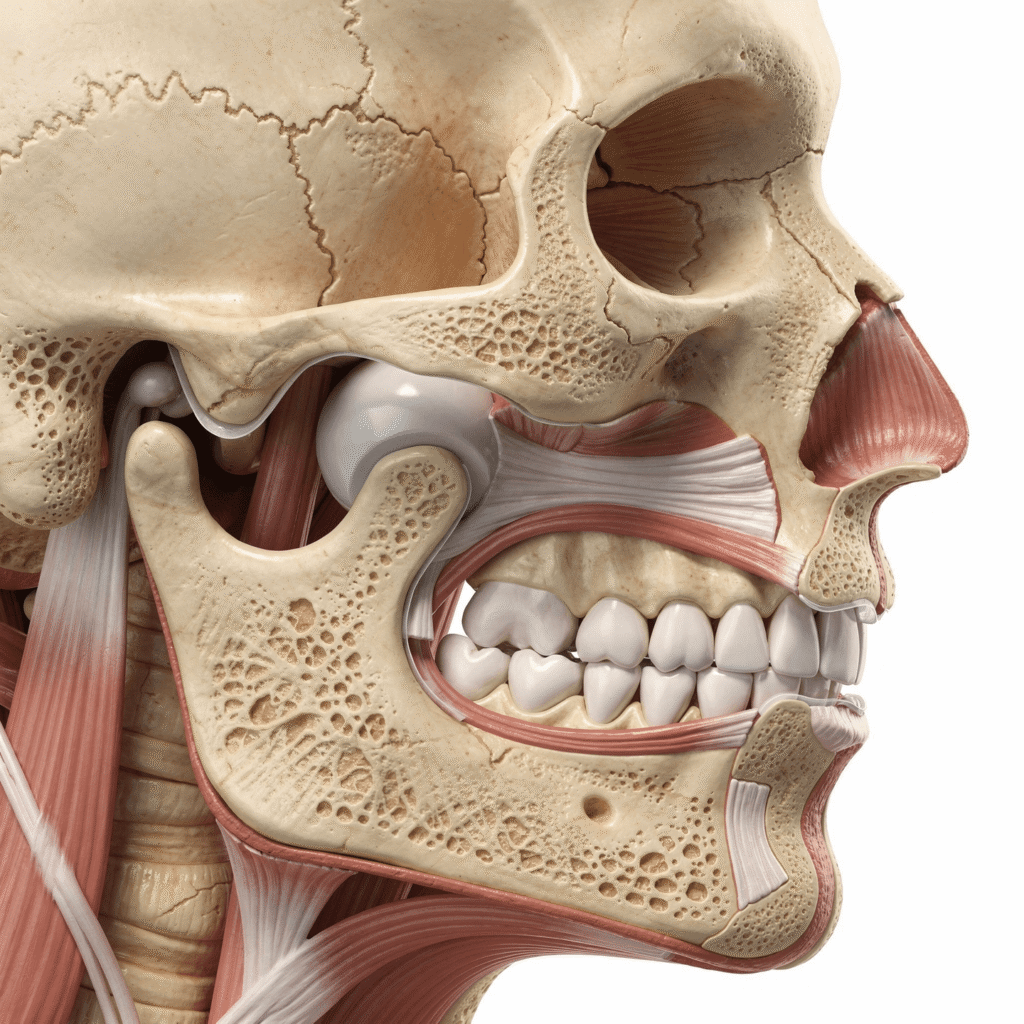
Foods for TMJ Pain Relief. When dealing with TMJ pain, what you put on your plate can be as important as the exercises you do or the treatments you try. The temporomandibular joint, like other joints in your body, responds dramatically to inflammation—and certain foods can either fuel or fight that inflammatory response.
While no single food will “cure” TMJ disorder, creating an anti-inflammatory diet pattern can significantly reduce pain, decrease swelling, and support overall joint health. This comprehensive guide breaks down the science behind nutrition and TMJ health, providing you with practical, actionable food choices that complement your treatment plan.
From inflammation-fighting superfoods to common trigger foods you might want to avoid, we’ll help you create a TMJ-friendly eating strategy that not only reduces discomfort but also supports your overall well-being.
Section 1: The Science Behind Food and Inflammation
Understanding Inflammation
Inflammation is your body’s natural response to injury or irritation. In TMJ disorders, chronic inflammation in the joint can cause:
- Increased pain sensitivity
- Swelling and stiffness
- Reduced range of motion
- Muscle tension around the joint
The Food-Inflammation Connection
Certain foods contain compounds that can:
- Pro-inflammatory foods: Trigger or worsen inflammation
- Anti-inflammatory foods: Help reduce inflammation
- Neutral foods: Have little effect either way
Key Inflammatory Markers
- CRP (C-reactive protein): Often elevated in TMJ patients
- Cytokines: Inflammatory messengers
- Prostaglandins: Pain-promoting compounds
Fact: Studies show dietary changes can reduce inflammatory markers by 20-40% within weeks.
Section 2: How Diet Affects TMJ Symptoms
Direct Effects:
- Chewing Difficulty: Hard foods strain jaw muscles
- Inflammation Control: Certain nutrients reduce joint swelling
- Muscle Relaxation: Magnesium-rich foods ease tension
Indirect Effects:
- Stress Reduction: Balanced blood sugar = less clenching
- Sleep Quality: Certain foods promote better rest
- Overall Health: Less systemic inflammation
The TMJ-Friendly Eating Principles
- Soft Texture First: Minimize chewing effort
- Anti-Inflammatory Focus: Choose foods that fight inflammation
- Nutrient Density: Maximize vitamins and minerals
- Hydration Priority: Keep joints lubricated
Section 3: Top 10 Best Foods for TMJ Relief
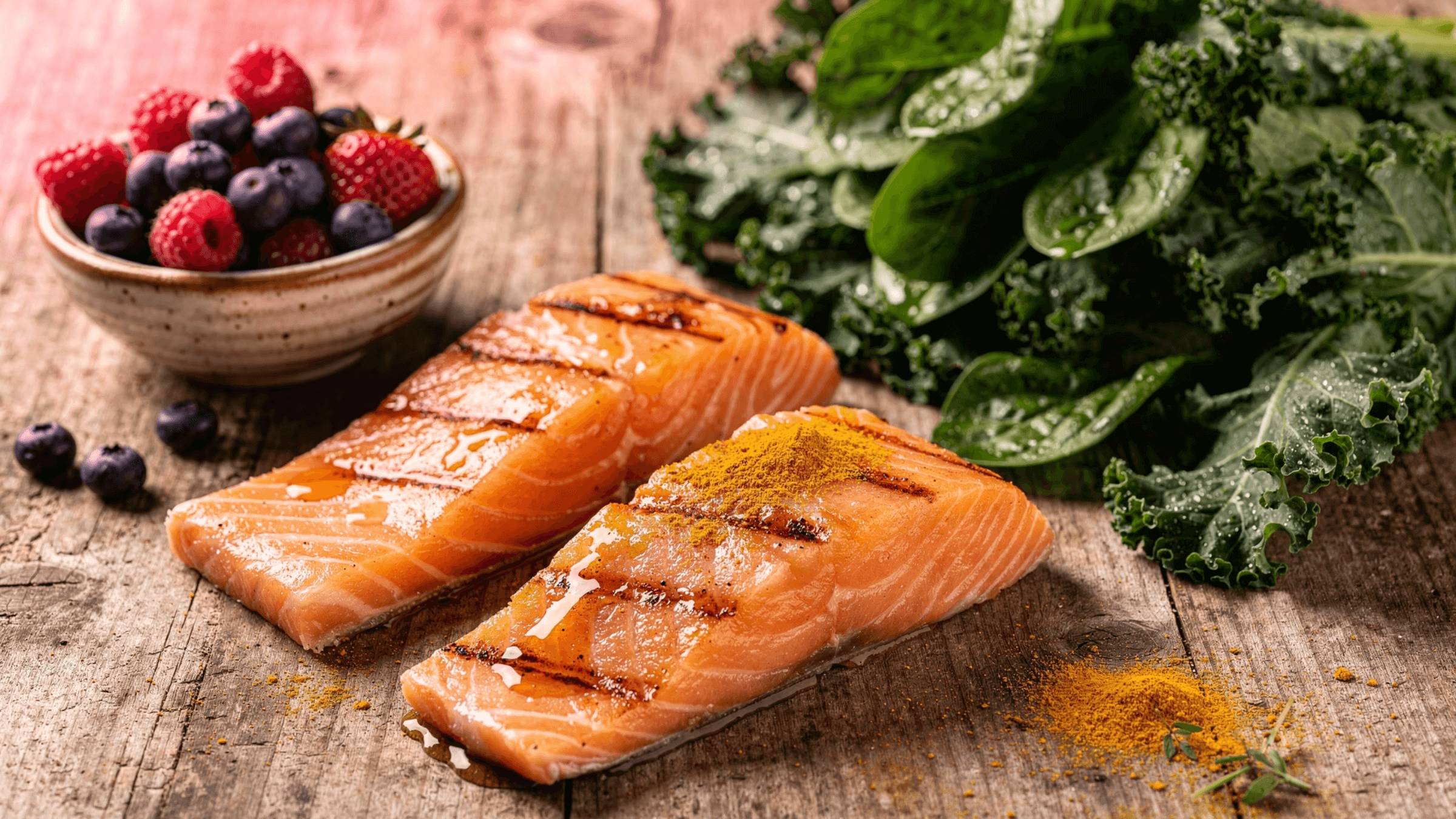
1. Fatty Fish (Salmon, Mackerel, Sardines)
- Why it helps: Rich in omega-3s (EPA/DHA), powerful anti-inflammatories
- How to eat: Baked or steamed, 2-3 servings weekly
- Serving size: 3-4 ounces cooked
- TMJ tip: Choose wild-caught when possible for higher omega-3 content
2. Turmeric (Curcumin)
- Why it helps: Contains curcumin, studied for pain reduction
- How to eat: Add to soups, smoothies, or golden milk
- Enhancement: Combine with black pepper for better absorption
- Recipe idea: Turmeric ginger tea for morning stiffness
3. Leafy Greens (Spinach, Kale, Swiss Chard)
- Why they help: High in magnesium (muscle relaxant) and antioxidants
- How to eat: Lightly steamed or in smoothies
- TMJ tip: Chewing raw greens may be difficult during flare-ups
4. Ginger
- Why it helps: Natural anti-inflammatory and analgesic
- How to eat: Fresh in teas, grated into meals
- Quick remedy: Ginger tea during painful episodes
5. Berries (Blueberries, Strawberries, Raspberries)
- Why they help: Packed with antioxidants that fight inflammation
- How to eat: Fresh, frozen in smoothies, or as puree
- TMJ bonus: Soft texture requires minimal chewing
6. Pineapple
- Why it helps: Contains bromelain, an enzyme with anti-inflammatory properties
- How to eat: Fresh, or as unsweetened juice
- Timing: Consume between meals for maximum benefit
7. Avocado
- Why it helps: Healthy fats reduce inflammation, soft texture
- How to eat: Mashed, in smoothies, or as guacamole
- Nutrient bonus: High in vitamin E for joint health
8. Bone Broth
- Why it helps: Contains collagen, glucosamine, and chondroitin
- How to eat: Warm broth as a snack or soup base
- TMJ tip: Sip slowly—no chewing required
9. Sweet Potatoes
- Why they help: Beta-carotene converts to vitamin A (anti-inflammatory)
- How to eat: Mashed or roasted until very soft
- Alternative: Regular potatoes also work when well-cooked
10. Walnuts and Almonds
- Why they help: Omega-3s and magnesium (soak before eating if chewing is painful)
- How to eat: As nut butter or soaked overnight
- Warning: Avoid if you have difficulty with hard foods
Section 4: 8 Foods to Limit or Avoid
1. Hard, Crunchy Foods
- Examples: Nuts, chips, hard candies, raw carrots
- Why avoid: Excessive chewing strains TMJ
- Alternative: Steam vegetables until soft, choose soft snacks
2. Chewy Foods
- Examples: Bagels, tough meats, caramel, gum
- Why avoid: Requires sustained jaw effort
- Alternative: Tender meats, soft breads
3. High-Sugar Foods
- Examples: Soda, candy, pastries, sweetened cereals
- Why avoid: Sugar increases inflammation markers
- Alternative: Fruits, small amounts of natural sweeteners
4. Refined Carbohydrates
- Examples: White bread, white pasta, pastries
- Why avoid: Convert to sugar quickly, promoting inflammation
- Alternative: Whole grains, quinoa, oats
5. Processed Meats
- Examples: Hot dogs, bacon, deli meats, sausages
- Why avoid: High in advanced glycation end products (AGEs)
- Alternative: Fresh poultry, fish, plant-based proteins
6. Excessive Caffeine
- Examples: Multiple coffees, energy drinks, strong tea
- Why limit: Can increase muscle tension and anxiety
- Alternative: Herbal teas, water, limited caffeine (1-2 servings)
7. Alcohol
- Why limit: Can worsen inflammation and disrupt sleep
- Moderation: 1 drink occasionally, avoid during flare-ups
- Note: May also increase nighttime teeth grinding
8. Very Hot or Cold Foods
- Why be cautious: Extreme temperatures can trigger muscle spasms
- Solution: Allow foods to reach moderate temperature
Section 5: Sample 3-Day TMJ-Friendly Meal Plan
Day 1:
- Breakfast: Scrambled eggs with spinach, turmeric sprinkled
- Lunch: Salmon salad (canned salmon, avocado, olive oil) on soft bread
- Dinner: Chicken and vegetable stew (slow-cooked until tender)
- Snack: Blueberry smoothie with almond butter
- Beverages: Water, ginger tea, herbal infusions
Day 2:
- Breakfast: Oatmeal with mashed banana and walnuts (soaked)
- Lunch: Lentil soup with soft vegetables
- Dinner: Baked cod with mashed sweet potatoes
- Snack: Apple sauce with cinnamon
- Beverages: Water, chamomile tea
Day 3:
- Breakfast: Greek yogurt with honey and soft berries
- Lunch: Tuna salad (mashed well) in pita pocket
- Dinner: Vegetable curry with coconut milk over soft rice
- Snack: Bone broth with a pinch of turmeric
- Beverages: Water, peppermint tea
Preparation Tips:
- Cook vegetables until very soft
- Cut foods into small pieces before cooking
- Use a food processor for difficult textures
- Plan ahead to avoid reaching for problematic snacks
Section 6: Smart Eating Habits for Jaw Comfort
1. Smaller, More Frequent Meals
- Benefit: Less continuous chewing
- Schedule: 5-6 small meals vs. 3 large ones
- Example: Breakfast, mid-morning snack, lunch, afternoon snack, dinner, evening broth
2. Mindful Eating Practices
- Eat slowly and deliberately
- Chew with back teeth when possible
- Take small bites
- Put utensils down between bites
3. Food Texture Modification
- For acute pain: Purees, smoothies, soups
- For moderate pain: Soft-cooked, mashed foods
- For maintenance: Gradually reintroduce textures as tolerated
4. Proper Positioning
- Sit upright while eating
- Bring food to mouth (don’t lean forward)
- Avoid eating while distracted (TV, computer)
Section 7: Supplements That May Help (Evidence-Based)
1. Omega-3 Fish Oil
- Dose: 1,000-2,000 mg EPA/DHA daily
- Evidence: Shown to reduce joint pain in studies
- Timing: With meals for better absorption
2. Magnesium
- Dose: 200-400 mg daily (consult doctor if taking medications)
- Benefit: Muscle relaxation, stress reduction
- Forms: Glycinate or citrate are well-absorbed
3. Turmeric/Curcumin
- Dose: 500 mg 1-2 times daily
- Look for: Products with piperine (black pepper extract) for absorption
- Note: May interact with blood thinners
4. Vitamin D
- Dose: 1,000-2,000 IU daily (based on blood levels)
- Connection: Many TMJ patients have low vitamin D
- Source: Also from sunlight and fortified foods
Important: Always consult with a healthcare provider before starting supplements, especially if you have medical conditions or take medications.
Section 8: Hydration and TMJ Health
Why Hydration Matters:
- Joint lubrication: Water is component of synovial fluid
- Muscle function: Dehydration increases cramping risk
- Inflammation: Proper hydration helps flush inflammatory byproducts
Daily Water Goal:
- Minimum: 8 cups (64 ounces)
- Better: Half your body weight in ounces (e.g., 150 lb person = 75 oz)
- Adjust: More if active or in hot climates
Best Hydration Practices:
- Sip throughout day (don’t gulp)
- Room temperature water (less shocking to muscles)
- Herbal teas count toward total
- Monitor urine color (pale yellow = well-hydrated)
Beverages to Limit:
- Sugary drinks
- Excessive caffeine
- Alcohol
Section 9: Frequently Asked Questions
Q1: How quickly will dietary changes affect my TMJ pain?
A: Some people notice improvement within 1-2 weeks, but full benefits typically take 4-6 weeks of consistent dietary changes.
Q2: Can diet alone cure TMJ disorder?
A: No, diet is a complementary approach. Combine with exercises, stress management, and professional care as needed.
Q3: What if I can’t afford expensive foods like wild salmon?
A: Canned salmon and sardines are affordable alternatives. Focus on overall patterns, not individual expensive items.
Q4: Should I avoid all crunchy vegetables?
A: Not necessarily—cook them until soft. Steamed carrots are fine; raw carrots may be problematic during flare-ups.
Q5: Is there a specific “TMJ diet”?
A: No single official diet, but anti-inflammatory, soft-textured eating patterns are generally recommended.
Q6: Can food allergies worsen TMJ symptoms?
A: Yes, in some individuals. Common culprits include gluten, dairy, or nightshades. Consider an elimination diet if you suspect food sensitivities.
Q7: What should I eat during a severe TMJ flare-up?
A: Stick to liquids and purees: smoothies, soups, broths, mashed foods until acute pain subsides.
Q8: Are there any foods that help with TMJ immediately?
A: Ginger tea or turmeric milk may provide some temporary relief, but dietary changes work cumulatively over time.
Q9: Can drinking cold water trigger TMJ pain?
A: For some people, yes. Try room temperature water if cold seems to increase muscle tension.
Q10: Should I take supplements instead of changing my diet?
A: Supplements complement, but don’t replace, a healthy diet. Focus on food first, supplements second.
Section 10: Putting It All Together
Start with These 3 Steps:
- Eliminate the worst offenders: Reduce hard, chewy, and high-sugar foods
- Add 2-3 anti-inflammatory foods daily: Start with foods you enjoy
- Modify textures: Cook vegetables longer, cut meat smaller
Long-Term Strategy:
- Make gradual changes you can sustain
- Listen to your body—what works for others may not work for you
- Combine dietary approaches with other TMJ management strategies
- Keep a food-jaw pain diary to identify personal triggers
While changing your eating habits requires effort, the potential reduction in pain and inflammation makes it worthwhile. Remember that nutrition is just one piece of the TMJ management puzzle, but it’s a piece you have direct control over every day.
For more comprehensive TMJ management strategies, explore our guides on exercises and stress reduction techniques.