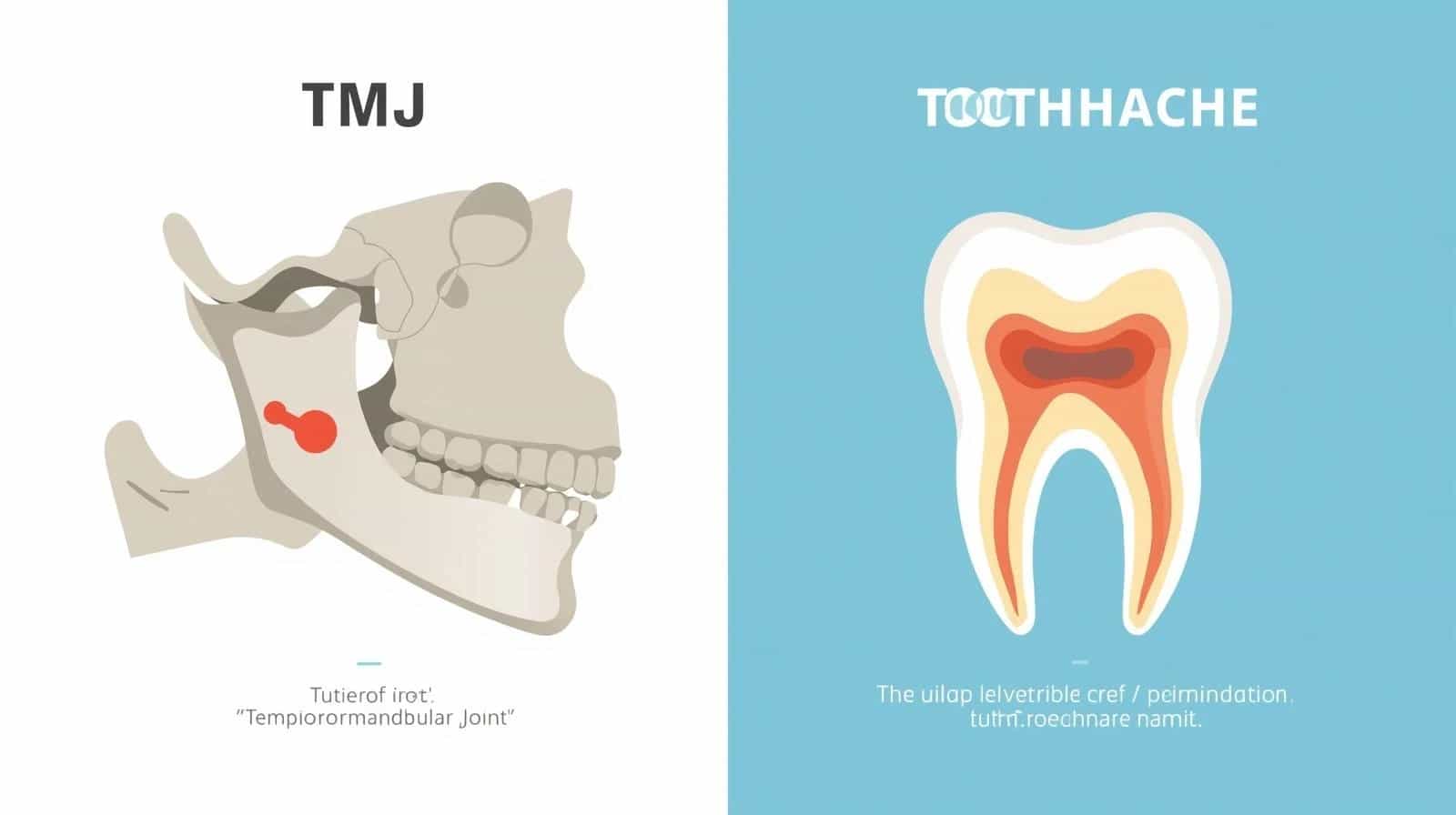
TMJ vs. Toothache. You have pain that feels like it’s coming from a tooth, but there’s no cavity. You wake up with a sore jaw and think it might be a dental problem. If this sounds familiar, you’re not alone. Thousands of people confuse TMJ pain with toothaches every year – and many end up treating the wrong problem for months or even years.
This confusion happens because TMJ pain can radiate to your teeth, and tooth pain can spread to your jaw. But here’s the crucial difference: treating the wrong problem means living with pain longer and, in some cases, making the original condition worse.
In this complete guide, you’ll learn the 5 definitive signs that differentiate one condition from the other, a simple test you can do at home, and when to see the right professional. Let’s end this confusion once and for all.
Section 1: What Is a Toothache?
True toothache usually has an identifiable physical cause. Understanding these causes is the first step in distinguishing it from TMJ pain.
Common Causes of Toothache:
1. Dental Cavities
- Bacteria destroy tooth enamel
- Creates cavities that expose sensitive nerves
- Sharp, localized pain, especially with sweets or extreme temperatures
2. Dental Abscess
- Infection at the tooth root or between gum and tooth
- Throbbing, intense pain
- May come with fever, swelling, and bad taste in the mouth
3. Cracked or Fractured Tooth
- Tiny cracks invisible to the naked eye
- Pain when biting or chewing, especially when releasing pressure
- Temperature sensitivity
4. Gum Problems
- Gingivitis or periodontitis
- Pain in the gum around the tooth
- Bleeding during brushing
5. Enamel Erosion
- Wear from acids (foods, reflux, grinding)
- Generalized sensitivity in multiple teeth
- Pain with acidic foods or brushing
Typical Characteristics of Toothache:
- ✅ Precise location: You can point to the exact tooth
- ✅ Temperature sensitivity: Intense pain with hot or cold
- ✅ Worsens with pressure: Biting something hard increases pain
- ✅ Throbbing pain: Especially in infection cases
- ✅ Visible signs: Cavities, spots, gum swelling
Section 2: What Is TMJ Pain?
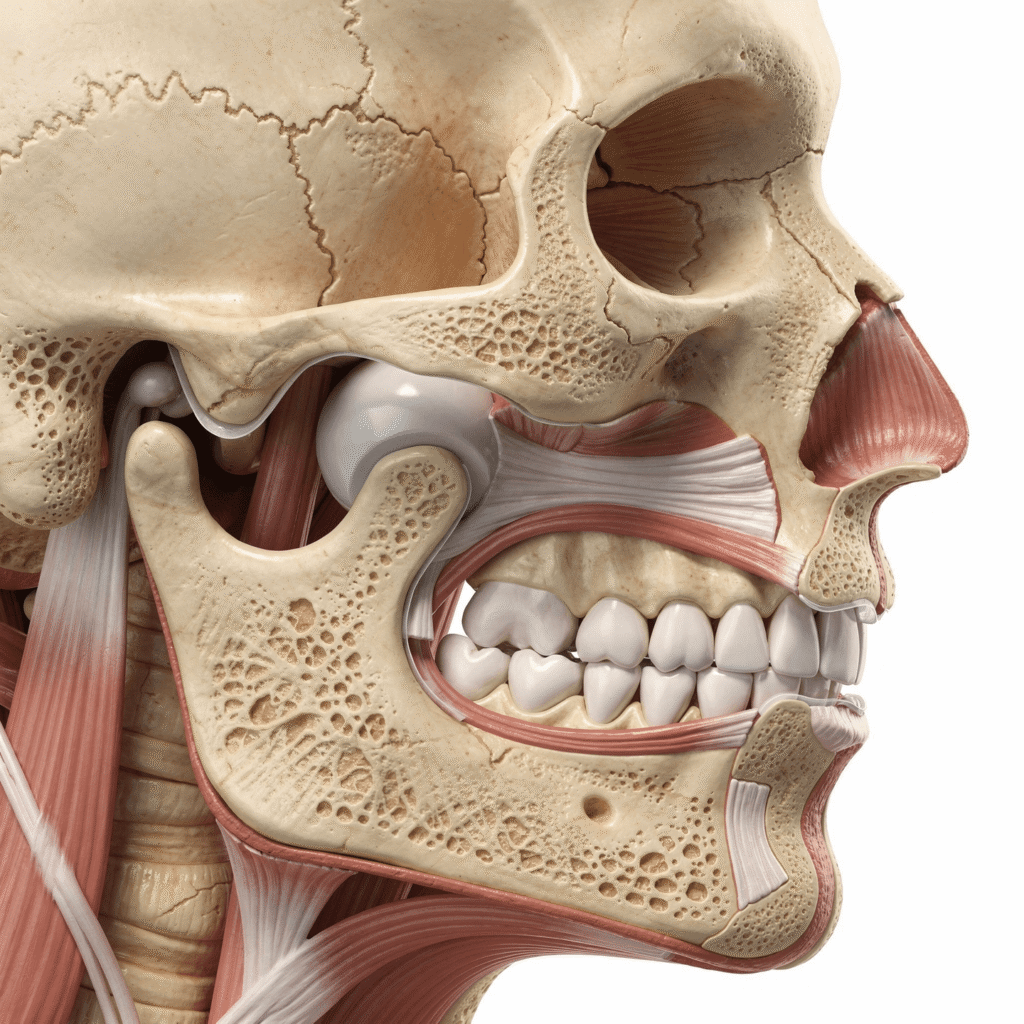
TMJ (Temporomandibular Joint) pain affects the joint that connects your jaw to your skull. It’s a complex condition that can mimic many other types of pain.
Common Causes of TMJ Pain:
1. Bruxism (Teeth Grinding or Clenching)
- Grinding or clenching teeth, especially during sleep
- Causes muscle fatigue and joint inflammation
- Pain is most intense upon waking
2. Stress and Anxiety
- Increases muscle tension in the jaw
- Leads to unconscious daytime clenching
- Creates a vicious cycle: stress → tension → pain → more stress
3. Arthritis in the Joint
- Osteoarthritis or rheumatoid arthritis
- Chronic joint inflammation
- Pain that worsens with use
4. Bite Misalignment
- Teeth don’t fit together properly
- Overload on specific points of the joint
- Can result from old orthodontic treatment or tooth loss
5. Trauma or Injury
- Blows to the jaw
- Whiplash (car accidents)
- Long dental procedures (mouth open too long)
Typical Characteristics of TMJ Pain:
- ✅ Diffuse pain: Spreads to face, temples, ears
- ✅ Clicking or popping: When opening or closing mouth
- ✅ Difficulty opening mouth: Limited movement or locking
- ✅ Pain when chewing: Especially hard or chewy foods
- ✅ Facial fatigue: Sensation of “heavy” jaw
- ✅ Morning headaches: Common in nighttime grinders
Section 3: Comparison Table (The Heart of This Article)
Use this table to quickly identify your pain:
| Characteristic | Toothache | TMJ Pain |
|---|---|---|
| Pain location | Specific tooth (you can point) | Joint, face, temples, ears (diffuse) |
| Clicking or popping | ❌ No | ✅ Yes (very common) |
| Hot/cold sensitivity | ✅ Yes (intense) | ❌ Rare |
| Pain when biting | ✅ On the specific tooth | ✅ In the joint |
| Pain upon waking | ❌ Rare | ✅ Very common (night bruxism) |
| Frequent headaches | ❌ Rare | ✅ Common (especially temples) |
| Ear pain (no infection) | ❌ Rare | ✅ Very common |
| Tooth sensitive to pressure | ✅ Yes, on that tooth | ✅ Can radiate to teeth |
| Visible swelling | ✅ On gum/face (infection) | ✅ On joint (less common) |
| Difficulty opening mouth | ❌ Rare | ✅ Frequent |
| Grinds/clenches teeth | ❌ Not related | ✅ Almost always present |
Section 4: The Finger Test (Do It Now!)
This simple test can help differentiate your pain at home:
Step 1: Test the Suspected Tooth
- Wash your hands thoroughly
- With your index finger, gently press on the tooth that hurts
- Now, lightly tap on the tooth
- Note: Did the pain increase? Was it intense and localized?
Step 2: Test the TMJ Joint
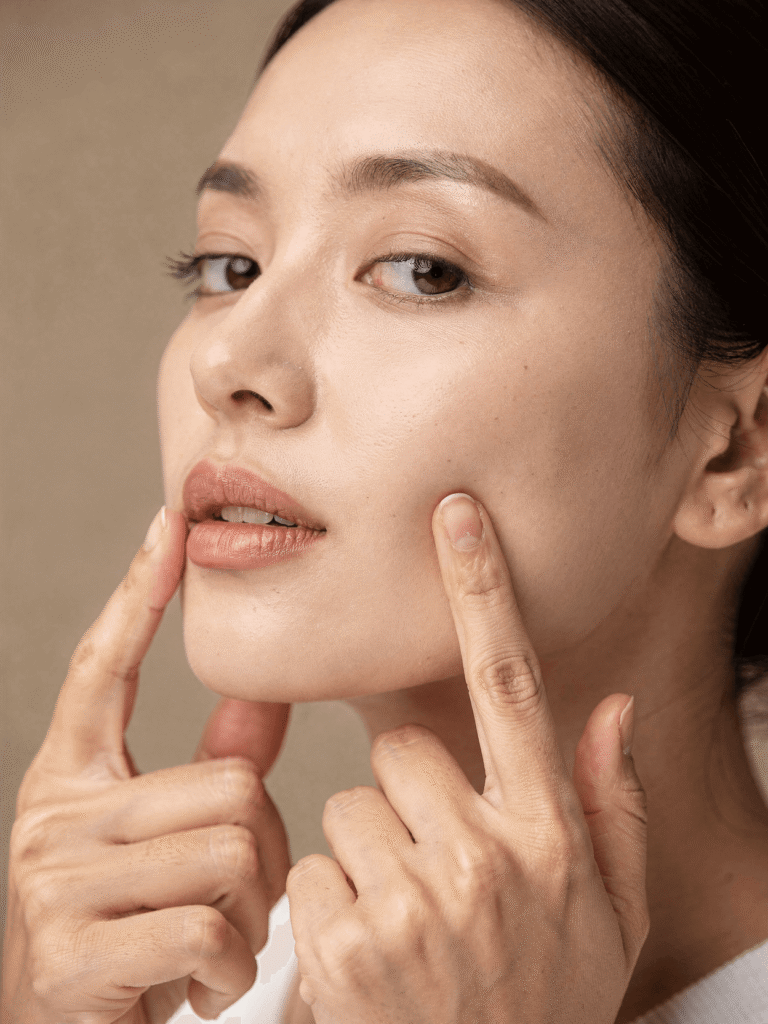
- Place your index fingertips directly in front of your ear tragus (that little flap in front of your ear)
- Open and close your mouth slowly – you’ll feel the joint moving
- Now, gently press on this area
- Note: Is the pain stronger here than on the tooth?
Step 3: Test the Chewing Muscles
- Place your fingers on your cheeks (masseter muscle area)
- Gently press on the muscles
- Note: Is there pain or tenderness?
Interpreting Your Results:
| Result | Likely Cause |
|---|---|
| STRONG pain in tooth, mild in joint | Probably toothache |
| STRONG pain in joint, mild in teeth | Probably TMJ pain |
| MODERATE pain in both | Could be both (common!) or referred pain |
| Pain in FACIAL MUSCLES | Strong TMJ indicator |
Section 5: When Pain Gets Mixed (The Diagnosis Challenge)
This is where things get complicated – and why so many people are misdiagnosed.
Scenario 1: Referred Pain
The TMJ is located near several important nerves. When inflamed, pain can “travel” to:
- Upper and lower teeth (looking like cavities)
- Ears (mimicking ear infections)
- Temples (looking like migraines)
- Neck and shoulders
Scenario 2: Bruxism Causing Tooth Sensitivity
If you grind or clench your teeth at night, you might develop:
- Sensitivity in multiple teeth (without cavities)
- Slightly loose or sore teeth
- Enamel wear (exposing sensitive layers)
This feels like tooth pain, but the cause is TMJ!
Scenario 3: Both Conditions Coexisting
It’s possible – and common – to have:
- A REAL cavity in one tooth
- AND bruxism/TMJ at the same time
- The pain from one condition worsening perception of the other
Signs Your Pain Might Be Mixed:
- You have a history of bruxism
- There’s a specific painful tooth, BUT you also grind your teeth
- Dental treatment didn’t completely resolve the pain
- Pain worsens during stressful periods
Section 6: When to See Each Professional
Knowing who to see saves time, money, and unnecessary suffering.
See a DENTIST First If:
- ✅ You can identify a specific painful tooth
- ✅ There’s intense hot or cold sensitivity
- ✅ You see a cavity, dark spot, or hole in the tooth
- ✅ The gum around the tooth is swollen or bleeding
- ✅ There’s a bad taste in your mouth (possible infection)
- ✅ Pain worsens when biting hard foods
See a TMJ/OROFACIAL PAIN SPECIALIST If:
- ✅ You’ve seen a dentist and they found nothing in your teeth
- ✅ There’s clicking, popping, or jaw locking
- ✅ Pain is diffuse (face, temples, ears)
- ✅ You wake up with tired or sore jaw
- ✅ You grind or clench your teeth (or suspect you do)
- ✅ Pain worsens during stress
What If You’re Not Sure?
Start with a general dentist. A good professional will:
- Examine your teeth with X-rays if needed
- Rule out obvious dental problems
- If nothing is found, suspect TMJ and refer you to the right specialist
Section 7: What to Do While Waiting for Your Appointment
While waiting for professional care, these measures can help:
For Toothache Relief:
- Pain relievers: Ibuprofen or acetaminophen (as directed)
- Avoid extreme temperatures: Nothing too hot or too cold
- Soft foods: Avoid chewing on the painful side
- Cold compress: If swollen, apply ice (15 minutes, wrapped in cloth)
- Rinses: Warm salt water can help with gum inflammation
For TMJ Pain Relief:
- Warm compress: Apply to the joint area for 15-20 minutes
- Soft foods: Soups, purees, smoothies (rest your jaw)
- Avoid: Chewing gum, hard or sticky foods
- Awareness: Notice if you’re clenching during the day
- Gentle exercises: Slowly open and close your mouth (no forcing)
FAQ (Frequently Asked Questions)
1. “Can TMJ cause pain in multiple teeth at once?”
Yes! TMJ pain often spreads to several teeth, especially molars. It’s common to feel “generalized pain” that seems to come from multiple teeth, none of which have cavities.
2. “My tooth hurts but X-rays show nothing. Could it be TMJ?”
Absolutely. This is one of the most common situations. Your tooth might be sensitive due to bruxism (grinding/clenching), not a cavity. The X-ray looks normal, but the pain is real.
3. “How do I know if it’s sinus pain or TMJ?”
Sinus pain typically:
- Comes with nasal congestion
- Worsens when you bend your head forward
- Affects multiple upper teeth at once
TMJ pain:
- Has clicking or popping
- Affects the jaw (not just upper teeth)
- Worsens with chewing, not head movement
4. “Can tooth pain radiate to the ear?”
Yes. Both tooth pain and TMJ pain can radiate to the ear. But with tooth pain, there’s usually an obvious tooth source. With TMJ, ear pain comes without infection and often with other symptoms (clicking, difficulty opening mouth).
5. “My tooth only hurts in the morning. What could it be?”
Strong indicator of nighttime bruxism (grinding/clenching during sleep). You’re probably clenching your jaw all night, and your teeth (and joint) are sore in the morning. This is more typical of TMJ than dental problems.
6. “I already had a tooth treated, but the pain continues. Why?”
Two possibilities:
- The treatment was done on the wrong tooth (pain was referred from TMJ)
- You have both conditions – the tooth was treated, but TMJ is still inflamed
7. “Does jaw clicking always mean TMJ?”
Not always. Occasional clicking without pain is common and might not indicate a problem. But CONSTANT clicking + PAIN = strong TMJ indicator.
8. “Do mouth guards (night guards) help?”
For TMJ pain related to bruxism, yes. For toothaches, no. A well-fitted night guard can reduce nighttime clenching and relieve joint tension.
Conclusion
Differentiating TMJ pain from toothache might seem complicated, but by paying attention to the right signs, you can save unnecessary dental visits and start correct treatment sooner.
Quick summary to remember:
- Toothache = localized, temperature-sensitive, worsens with direct tooth pressure
- TMJ pain = diffuse (face/ears), accompanied by clicking, worse upon waking, stress-related
If you’re still unsure after this guide, don’t hesitate to seek professional help. Start with a trusted dentist – if they rule out dental problems, ask for a referral to a TMJ/orofacial pain specialist.
Remember: treating the right condition makes all the difference. Your body will thank you, and your quality of life – pain-free – is the best outcome you can achieve.