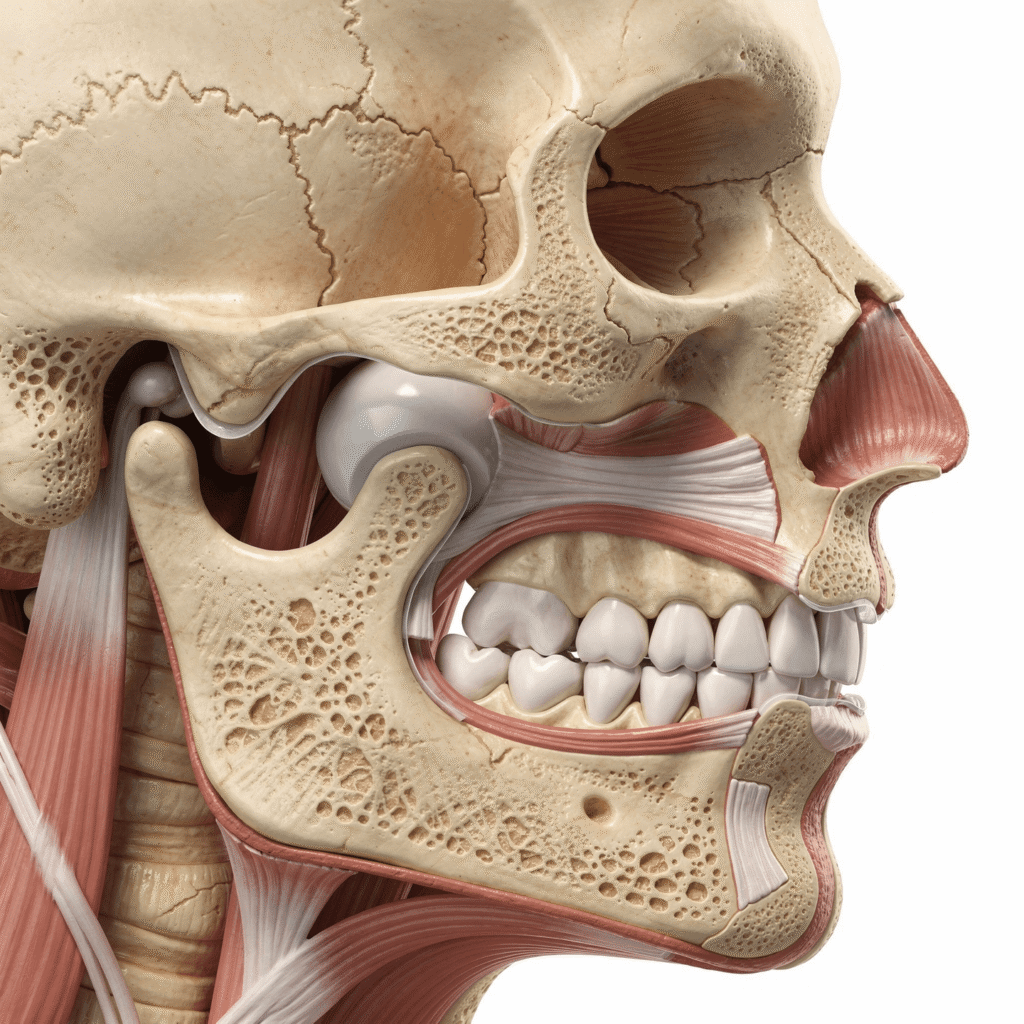
Wellness After 30. Turning 30 marks a significant milestone—not just in age, but in how your body responds to stress, lifestyle choices, and daily habits. Many people notice their first TMJ symptoms in their 30s, often confused about why jaw pain suddenly appears when it never bothered them before.
The truth is that our bodies undergo subtle but important changes after 30. Metabolism slows, muscle recovery takes longer, and the cumulative effects of stress begin to manifest physically—often in unexpected places like the jaw. But here’s the good news: your 30s are also the perfect time to establish wellness practices that will serve you for decades to come.
This comprehensive guide explores how natural health approaches can prevent and manage TMJ disorders while optimizing your overall wellbeing during this pivotal decade and beyond.
Why TMJ Issues Often Surface in Your 30s
Understanding why TMJ problems commonly emerge after 30 helps you address root causes rather than just symptoms.
The Cumulative Stress Factor
By your 30s, you’ve likely accumulated years of unconscious habits: teeth grinding during stressful college exams, jaw clenching during job interviews, poor posture from desk work. These behaviors compound over time, eventually exceeding your body’s ability to compensate silently.
Hormonal Shifts
Women in their 30s may experience hormonal fluctuations that affect joint health and inflammation levels. Estrogen influences collagen production, which affects the TMJ disc. These changes can make the jaw more susceptible to dysfunction.
Career and Life Stress Intensification
Your 30s often bring increased professional responsibilities, financial pressures, relationship decisions, and possibly parenting—all significant stress sources that manifest as jaw tension and grinding.
Decreased Recovery Capacity
Your body’s natural ability to recover from micro-traumas diminishes slightly after 30. The same jaw-clenching habit that caused no issues at 25 might trigger chronic pain at 35.
Postural Decline from Technology
If you’ve spent your 20s hunched over laptops and smartphones, the cumulative postural damage begins showing up in your 30s—and forward head posture is a major TMJ contributor.
Building Your Foundation: Core Wellness Principles After 30
Effective natural health after 30 isn’t about dramatic overhauls—it’s about establishing sustainable practices that support your body’s changing needs.
Principle 1: Consistency Over Intensity
In your 20s, you might have bounced back from sporadic exercise or inconsistent sleep. After 30, your body rewards consistency. A daily 20-minute walk beats an occasional intense workout that leaves you sore for days.
TMJ Application: Daily 5-minute jaw stretches are more effective than occasional lengthy sessions.
Principle 2: Prevention Over Intervention
Your 30s are ideal for preventing problems before they become chronic. Small daily actions now can prevent serious issues later.
TMJ Application: Learning to recognize early jaw tension signals and addressing them immediately prevents full-blown TMJ disorders.
Principle 3: Whole-Body Integration
After 30, isolated approaches become less effective. TMJ pain might stem from poor posture, which stems from weak core muscles, which stems from prolonged sitting. Address the whole system.
TMJ Application: Combining jaw exercises with posture correction, stress management, and proper nutrition yields far better results than jaw exercises alone.
Natural Nutrition for TMJ Prevention and Overall Wellness After 30
What you eat becomes increasingly important after 30, directly impacting inflammation, joint health, and stress resilience.
Protein for Tissue Repair
After 30, you need adequate protein to maintain muscle mass and support tissue repair, including jaw muscles and TMJ cartilage.
Daily Goal: 0.8-1g per pound of body weight Best Sources: Wild-caught fish, grass-fed beef, pastured eggs, legumes, Greek yogurt
TMJ Benefit: Amino acids support collagen production for joint health and muscle recovery from grinding or clenching.
Calcium and Vitamin D for Jaw Bone Health
Bone density naturally begins declining around age 30. The jawbone supports your TMJ—keeping it strong is essential.
Daily Goals:
- Calcium: 1000mg for adults under 50
- Vitamin D: 1000-2000 IU (test your levels and adjust)
Best Sources:
- Calcium: Dairy products, leafy greens, sardines with bones, fortified foods
- Vitamin D: Sunlight exposure, fatty fish, egg yolks, fortified foods
TMJ Benefit: Strong jaw bones better support the temporomandibular joint, reducing dysfunction risk.
Collagen for Joint Health
Collagen production decreases after 30. Supplementing supports all joints, including the TMJ.
Daily Dose: 10-15g of hydrolyzed collagen or bone broth
TMJ Benefit: Provides building blocks for repairing TMJ cartilage and the articular disc.
Anti-Inflammatory Foods to Prioritize
Chronic low-grade inflammation increases after 30, contributing to TMJ pain and overall health decline.
Daily Anti-Inflammatory Menu:
Breakfast:
- Green smoothie with berries, spinach, flaxseeds, and collagen
- Or: Scrambled eggs with turmeric and vegetables
Lunch:
- Wild salmon salad with olive oil dressing and colorful vegetables
- Or: Quinoa bowl with chickpeas, leafy greens, and tahini
Dinner:
- Grass-fed beef or chicken with roasted vegetables and sweet potato
- Or: Lentil curry with brown rice
Snacks:
- Mixed nuts (walnuts, almonds)
- Fresh berries
- Dark chocolate (70%+ cacao)
- Bone broth
Hydration Strategies
After 30, you might notice you don’t feel thirsty as readily. Chronic mild dehydration affects joint lubrication, including the TMJ.
Strategy: Don’t wait for thirst. Drink a glass of water:
- Upon waking
- Before each meal
- Mid-morning and mid-afternoon
- Before bed
Add: Herbal teas (chamomile, ginger, green tea) for additional anti-inflammatory benefits.
Movement and Exercise: Supporting Your Body After 30
The right exercise routine prevents TMJ issues while maintaining overall health.
The Problem with High-Impact Exercise After 30
While you can absolutely continue vigorous exercise, recovery takes longer. High-impact activities without proper form can increase jaw clenching (common during intense exercise).
Solution: Balance intensity with recovery. Include rest days and low-impact activities.
The Perfect After-30 Movement Mix
3x per week: Strength training (30-45 minutes)
- Builds muscle mass that naturally declines after 30
- Improves posture, reducing TMJ strain
- Focus on posterior chain exercises (back, glutes, hamstrings)
4-5x per week: Moderate cardio (20-30 minutes)
- Walking, cycling, swimming
- Reduces stress without overtaxing the body
- Avoid jaw clenching during cardio—stay mindful
Daily: Mobility and stretching (10-15 minutes)
- Yoga, tai chi, or dedicated stretching
- Essential for maintaining flexibility that decreases after 30
- Include neck, jaw, and shoulder stretches
2-3x per week: Core strengthening (15 minutes)
- Planks, bird dogs, dead bugs
- Strong core supports proper posture
- Good posture reduces TMJ strain
Exercise Posture Checkpoints for TMJ Prevention
During Exercise:
- Keep tongue resting on roof of mouth
- Jaw relaxed, teeth slightly apart
- Breathe through nose when possible
- Avoid clenching during exertion
After Exercise:
- Do 5 minutes of jaw stretches and massage
- Apply ice if any jaw tension appeared
- Note patterns—which exercises trigger clenching?
Stress Management: Essential After 30
Stress management becomes non-negotiable after 30. The stakes are higher—unmanaged stress now directly translates to physical symptoms like TMJ pain.
Why Stress Hits Harder After 30
Cortisol Sensitivity: Your body becomes more sensitive to stress hormones Recovery Deficit: Chronic stress recovery takes longer Accumulated Load: Years of stress compound Life Complexity: More responsibilities = more stress sources
The After-30 Stress Management Framework
Morning Practice (10-15 minutes):
- Meditation or breathwork
- Gratitude journaling
- Gentle stretching with jaw focus
- Set daily intentions
Midday Reset (5-10 minutes):
- Brief walk outside
- Desk stretches including jaw
- Breathing exercises
- Mindful lunch (no screens)
Evening Wind-Down (20-30 minutes):
- Light exercise or yoga
- Warm bath with Epsom salts
- Jaw massage and heat therapy
- Reading or calming activity (no screens 1 hour before bed)
Meditation for TMJ and Overall Wellness
Studies show regular meditation reduces stress, improves sleep, and decreases pain perception—all crucial for TMJ management.
Body Scan Meditation for TMJ:
- Lie comfortably, eyes closed
- Bring attention to your feet, consciously relaxing
- Slowly move awareness up through each body part
- When you reach your jaw, spend extra time
- Notice any tension without judgment
- Imagine breathing relaxation into your jaw
- Continue to crown of head
- Total time: 15-20 minutes
Start: Just 5 minutes daily, gradually increasing
Setting Boundaries: A Critical After-30 Skill
Saying “no” becomes essential for wellness after 30. Over-commitment directly increases stress and jaw tension.
Practice:
- Identify your top 3 priorities
- Evaluate new commitments against these
- Learn polite declination phrases
- Schedule “buffer time” between commitments
Sleep Optimization After 30: Your Most Powerful Wellness Tool
Sleep quality often declines after 30, yet its importance increases. Poor sleep worsens TMJ symptoms and overall health.
Understanding Sleep Changes After 30
What Changes:
- Lighter sleep stages increase
- Deep sleep decreases
- More frequent night wakings
- Greater sensitivity to disruptions
Why It Matters for TMJ:
- Sleep deprivation increases pain sensitivity
- Poor sleep triggers stress response and jaw clenching
- Insufficient deep sleep impairs tissue repair
- Fatigue increases muscle tension
The After-30 Sleep Protocol
Consistent Schedule:
- Same bedtime and wake time daily (even weekends)
- 7-9 hours opportunity for sleep
- Listen to your body’s needs—these may change
Sleep Environment Optimization:
- Temperature: 65-68°F (18-20°C)
- Complete darkness (blackout curtains, remove electronics)
- White noise if helpful
- TMJ-friendly pillow (cervical support or contoured design)
Pre-Sleep Routine (60-90 minutes before bed):
- Dim lights (signals melatonin production)
- No screens (blue light disrupts circadian rhythm)
- Warm bath or shower
- Jaw relaxation routine:
- Warm compress (10 minutes)
- Gentle jaw stretches
- Facial massage
- Progressive muscle relaxation
- Calming tea (chamomile, valerian root)
- Light reading or meditation
Nighttime Teeth Grinding:
If you grind teeth (common after 30 during stress), consider:
- Custom nightguard from dentist (most effective)
- Magnesium supplement before bed (reduces muscle tension)
- Stress management focus (addresses root cause)
- Sleep position adjustment (avoid stomach sleeping)
Posture and Ergonomics: Preventing the 30s Slump
By your 30s, poor posture habits from your 20s start causing real problems—especially for TMJ health.
The Forward Head Posture Epidemic
The Problem: For every inch your head moves forward from neutral, it adds 10 pounds of strain on your neck and jaw muscles.
Common Culprits:
- Smartphone use (average person looks down at phone 4+ hours daily)
- Computer work without proper setup
- Driving position
- Reading in bed
Workspace Ergonomic Setup
Essential Adjustments:
Monitor:
- Top of screen at or slightly below eye level
- 20-30 inches from eyes
- Directly in front (no twisting)
Chair:
- Adjustable height with lumbar support
- Feet flat on floor or footrest
- Hips slightly higher than knees
- Armrests support elbows at 90 degrees
Keyboard and Mouse:
- Wrists neutral (not bent)
- Elbows at 90 degrees
- Shoulders relaxed
Smartphone Usage:
- Bring phone to eye level (don’t look down)
- Use stand or holder when possible
- Limit continuous use to 20 minutes
- Do neck stretches after phone sessions
Posture Correction Exercises (Daily 10-Minute Routine)
Chin Tucks (strengthens deep neck flexors):
- Pull chin straight back
- Hold 5 seconds
- 10 repetitions
- Do hourly at desk
Wall Angels (strengthens upper back):
- Stand against wall
- Raise arms to 90 degrees
- Slide up and down wall
- 10-15 repetitions
Doorway Chest Stretch (opens chest, counteracts hunching):
- Place forearms on door frame
- Step forward until stretch in chest
- Hold 30 seconds
- 3 repetitions
Cat-Cow Pose (improves spinal mobility):
- On hands and knees
- Alternate arching and rounding back
- 10-15 cycles
- Coordinate with breath
Thread the Needle (releases shoulder/neck tension):
- On hands and knees
- Slide one arm under body
- Rest shoulder and ear on floor
- Hold 30 seconds each side
Natural Supplements for After-30 Wellness and TMJ Support
After 30, strategic supplementation can fill nutritional gaps and support specific health goals.
Core Daily Supplements
High-Quality Multivitamin: Fills nutritional gaps from modern diets
Omega-3 Fish Oil (1000-2000mg EPA/DHA):
- Reduces inflammation system-wide
- Supports brain health
- Benefits TMJ by reducing joint inflammation
Vitamin D3 (1000-2000 IU, adjust based on testing):
- Supports bone health (jaw bone included)
- Immune function
- Mood regulation
- Most people deficient after 30
Magnesium (300-400mg):
- Muscle relaxation (crucial for TMJ)
- Sleep quality
- Stress management
- Energy production
TMJ-Specific Supplements
Collagen Peptides (10-15g daily):
- Supports joint cartilage repair
- Improves skin health
- Easy to add to coffee or smoothies
Turmeric/Curcumin (500-1000mg with black pepper):
- Powerful anti-inflammatory
- Supports joint health
- May reduce pain
Methylated B-Complex:
- Supports stress response
- Energy production
- Nervous system health
Ashwagandha (300-500mg):
- Adaptogenic herb
- Reduces stress and cortisol
- Improves sleep quality
- May reduce teeth grinding
Valerian Root (before bed if grinding teeth):
- Natural muscle relaxant
- Improves sleep quality
- Reduces nighttime teeth grinding
Important Notes
- Consult healthcare provider before starting supplements
- Quality matters—choose reputable brands
- Give supplements 4-6 weeks to show effects
- Monitor how you feel and adjust accordingly
Building Resilience: The After-30 Mindset
Physical wellness is incomplete without mental and emotional resilience.
Embracing the After-30 Transition
Shift from: “I can handle anything” → “I handle what matters strategically” Shift from: “Push through” → “Listen and respond appropriately” Shift from: “Ignore small symptoms” → “Address issues early”
The Growth Mindset for Health
View your body as a partner, not a machine:
- Listen to signals (like jaw tension)
- Respond with care (not frustration)
- Celebrate small wins (pain-free day = victory)
- Learn from setbacks (what triggered the flare-up?)
Community and Connection
Social connection reduces stress and improves health outcomes:
- Join wellness-focused groups (yoga class, meditation group)
- Share health goals with friends
- Find accountability partners
- Consider working with health coach or therapist
Your 90-Day After-30 Natural Wellness Plan
Month 1: Foundation
Week 1-2:
- Establish consistent sleep schedule
- Start daily 10-minute meditation or breathwork
- Implement workspace ergonomic changes
- Begin jaw awareness practice (notice clenching)
Week 3-4:
- Add anti-inflammatory foods to each meal
- Start core supplement routine
- Begin 3x weekly strength training
- Daily jaw stretches morning and evening
Month 2: Building
Week 5-6:
- Add daily posture correction exercises
- Implement full pre-sleep routine
- Start tracking stress triggers and jaw tension
- Add omega-3 rich foods to diet
Week 7-8:
- Increase meditation to 15-20 minutes
- Add weekly yoga or mobility session
- Practice setting one boundary
- Begin food/symptom journal
Month 3: Integration
Week 9-10:
- Review what’s working, adjust what isn’t
- Consider professional support (massage, acupuncture)
- Optimize supplement routine based on results
- Deepen stress management practices
Week 11-12:
- Establish sustainable long-term routine
- Set next 90-day goals
- Celebrate progress
- Share learnings with others
When to Seek Professional Support
While natural approaches are powerful, know when to bring in professionals:
Dentist/TMJ Specialist:
- Persistent jaw pain despite natural interventions
- Difficulty opening/closing mouth
- Significant clicking or locking
Physical Therapist:
- Chronic postural issues
- Limited jaw mobility
- Neck or shoulder pain related to TMJ
Nutritionist/Functional Medicine Doctor:
- Difficulty implementing dietary changes
- Suspected food sensitivities
- Want personalized supplement protocol
Mental Health Professional:
- High stress or anxiety contributing to jaw clenching
- Sleep issues beyond sleep hygiene
- Need support managing life transitions
Conclusion: Your 30s as a Wellness Opportunity
Your 30s aren’t about decline—they’re about intentional wellness. The TMJ symptoms, the slower recovery, the increased stress sensitivity aren’t just annoyances. They’re your body’s invitation to build sustainable health practices that will serve you for decades.
The natural approaches outlined in this guide address root causes, not just symptoms. By optimizing nutrition, managing stress, improving posture, prioritizing sleep, and building resilience, you’re not just preventing TMJ disorders—you’re creating a foundation for vibrant health at 40, 50, and beyond.
Remember: small, consistent actions compound dramatically over time. You don’t need to implement everything at once. Choose 2-3 strategies that resonate most, master them, then gradually add more. Your future self will thank you for the investment you make in natural wellness today.
What wellness practice has made the biggest difference in your 30s? Share your experiences in the comments and let’s support each other in this journey.
Disclaimer: This article is for informational purposes only and does not constitute medical advice. Always consult with a qualified healthcare provider before making significant changes to your diet, exercise routine, or supplement regimen, especially if you have underlying health conditions.