Do you wake up with jaw pain that’s worse than when you went to bed? Grind your teeth without realizing it? Tried “everything” but still can’t get a full night’s rest?
Sleep and TMJ are closely connected — your sleep position, pillow, bedroom environment, evening habits, and even how you breathe while asleep can all influence how your jaw feels in the morning.
In this guide, you’ll find 12 natural sleep-focused approaches that commonly help people manage TMJ symptoms, organized so you can build them in gradually rather than trying to change everything overnight.
| Disclosure: This post contains affiliate links. If you purchase through them, we may earn a small commission at no extra cost to you. We only recommend products we genuinely believe could help. |
⏰ Reading time: 12 minutes
🎯 QUICK SELF-TEST: Is Your Sleep Making TMJ Worse?
Answer honestly:
☐ Wake up with jaw pain or stiffness
☐ Sleep on your stomach or side
☐ Pillow is too flat or too high
☐ Clench your jaw during sleep
☐ Wake up tired even after 8 hours
☐ Get morning headaches
☐ Partner says you grind your teeth
☐ Breathe through your mouth at night
😴 THE TMJ-SLEEP CYCLE
A pattern a lot of people fall into without realizing it:
Poor sleep position
     ↓
Jaw strain during the night
     ↓
More grinding/clenching
     ↓
More TMJ pain
     ↓
Worse sleep
     ↓
Cycle repeats
📊 Sleep Position: Usually the Biggest Factor
| Position | Effect on TMJ | Verdict |
|---|---|---|
| Back | Best — no lateral pressure on the jaw | Recommended |
| Side | OK if done correctly | Acceptable |
| Stomach | Worst — twists the neck and jaw | Worth avoiding |
| Reclined | Good — gravity helps keep the jaw relaxed | Good alternative |
🛏️ #1: Back Sleeping (Generally the Best Option)
Why it tends to help: no lateral pressure on the jaw, spine stays more neutral, and many people notice less morning stiffness.
Getting There: A Practical Setup
Cervical pillow options — these are commonly recommended for supporting the neck’s natural curve without pushing the jaw forward:
Getting There: A Practical Setup
Cervical pillow options — these are commonly recommended for supporting the neck’s natural curve without pushing the jaw forward:
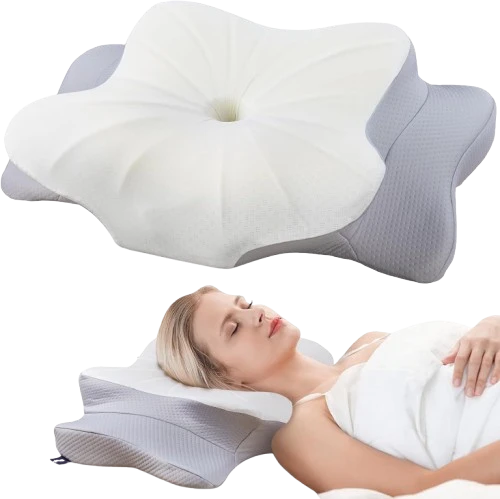
DONAMA Cervical Memory Foam Pillow
★★★★★
4.2/5
- Contoured design (perfect for TMJ!)
- Hollow center (reduces pressure)
Why it’s best:** Supports natural neck curve WITHOUT pushing jaw forward. Most affordable option that actually works.
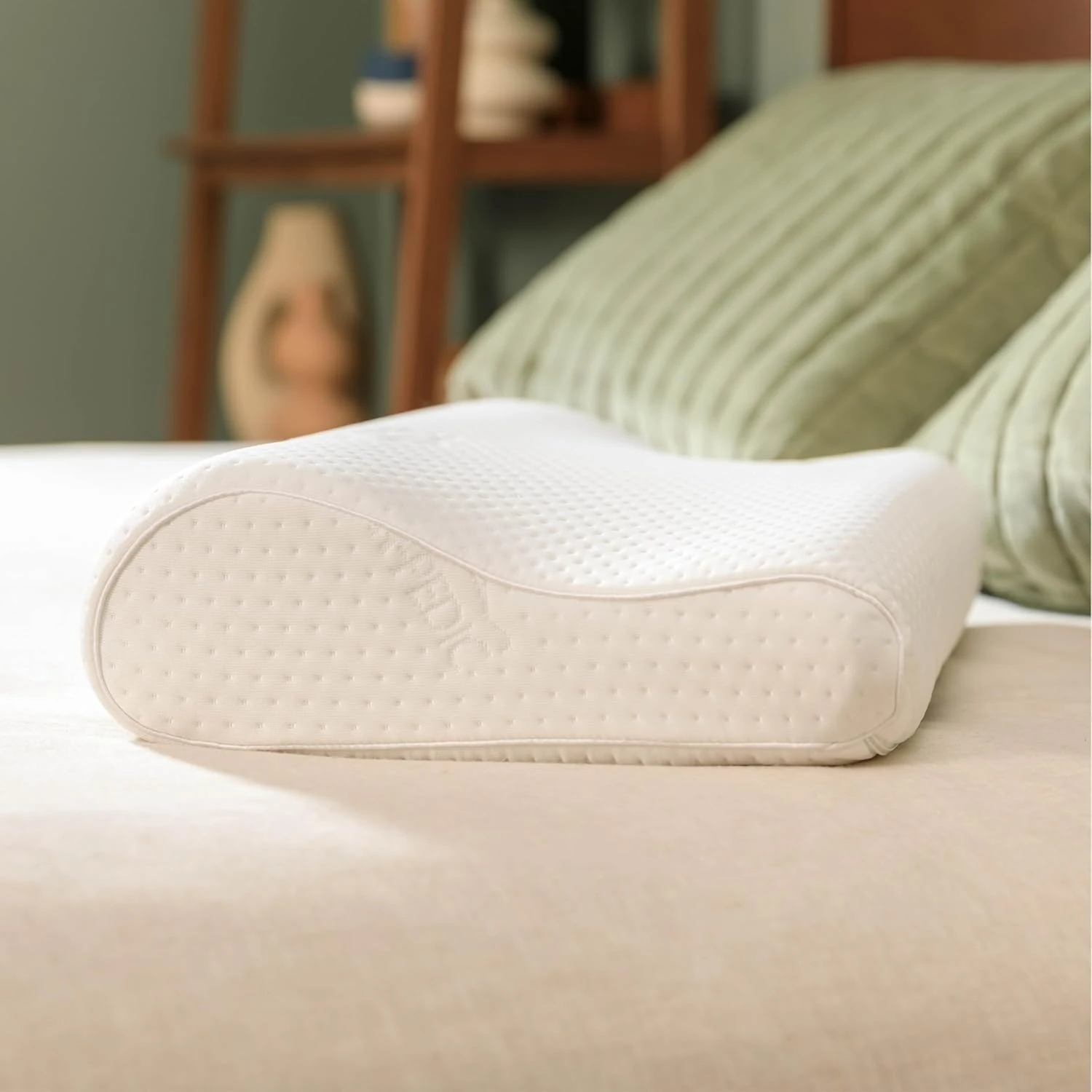
Tempur-Pedic TEMPUR-Ergo Neck Pillow
★★★★★
4.0/5
- Medical-grade memory foam
- Doctor recommended for TMJ
Why upgrade:** If budget allows, this is THE pillow TMJ specialists recommend. Premium materials, lasts 5+ years.
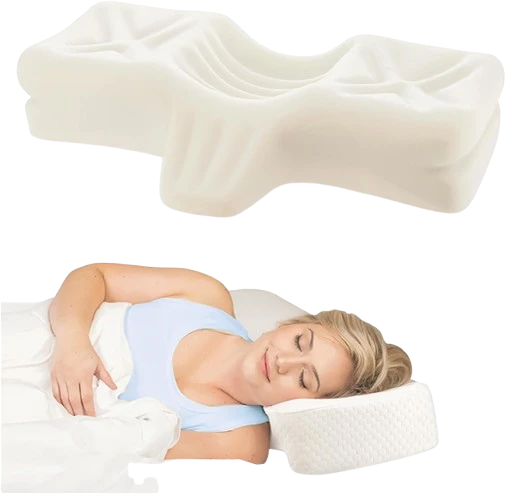
Therapeutica Sleeping Pillow
★★★★★
4.1/5
- Designed by chiropractor specifically for TMJ
- Side cavities (ear comfort)
- Medical device classification
Best for:** Side sleepers with TMJ
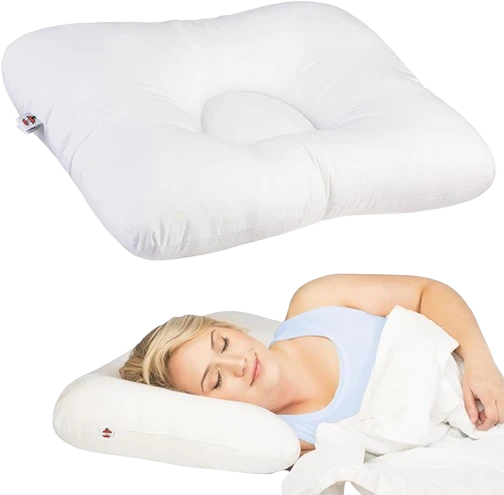
Core Tri-Core Cervical Pillow
★★★★★
4.0/5
- Trapezoid center (proper support)
- Side lobes (comfort)
- Reduce Headaches, Neck, Shoulder, and Back Pain
Best for:** Trying cervical pillow for first time
What to look for: a pillow that maintains your neck’s natural curve — not so high it pushes your chin to your chest, not so flat that your head tilts back. A rolled towel under the neck works as a free alternative to test the concept before buying anything.
Body positioning:
- Small pillow or rolled towel under your knees — relieves lower back pressure
- Arms at your sides, not overhead (overhead can create shoulder tension that translates to jaw tension)
- Optional: elevate the head of the bed 15-20 degrees using risers or an adjustable base
A gradual training approach, if you’re not a natural back sleeper:
Week 1: Pillows on both sides of your body to physically limit rolling onto your side. Expect to wake and readjust the first few nights — that’s normal.
Week 2: Remove one side pillow, keeping one as a gentler reminder.
If you find yourself rolling onto your stomach specifically, some people use the “tennis ball sewn to the front of a shirt” trick — uncomfortable enough to interrupt stomach-rolling without waking you fully. It’s a low-cost method some people find effective, though results vary.
😴 #2: Side Sleeping (If Back Sleeping Isn’t Working for You)
Side sleeping can work reasonably well for TMJ if you’re deliberate about a few things:
Alternate sides — sleeping on the same side every night can contribute to asymmetric jaw strain over time.
Use a contoured pillow — a flat, unsupportive pillow can compress the jaw. Look for one with a cutout or contour for the shoulder that keeps the neck aligned without extra height (typically 5-7 inches works better for side sleeping than for back sleeping).
Keep the spine aligned — a pillow between the knees helps prevent hip rotation, which indirectly reduces compensatory tension that can travel up to the jaw.
Arm position — keep arms relaxed in front rather than tucked under your head, since that can add jaw compression.
🚫 #3: Stomach Sleeping — Worth Trying to Avoid
Stomach sleeping tends to be the position most associated with TMJ strain — it involves the head turned to one side all night, neck hyperextension, and direct facial pressure, plus it often correlates with mouth breathing.
Ways people transition away from it:
- Hugging a body pillow, which mimics some of the “front contact” comfort of stomach sleeping while keeping you on your side
- The tennis-ball method mentioned above
- A gradual approach: side sleeping with a body pillow for a week or two, then working toward back sleeping
🌡️ #4: Bedroom Environment
Temperature: A cooler room (roughly 65-68°F) is generally associated with deeper, more restorative sleep, which matters since a lot of muscle recovery happens during deep sleep stages.
Darkness: Blackout curtains or a comfortable eye mask can help, since consistent darkness supports melatonin production.
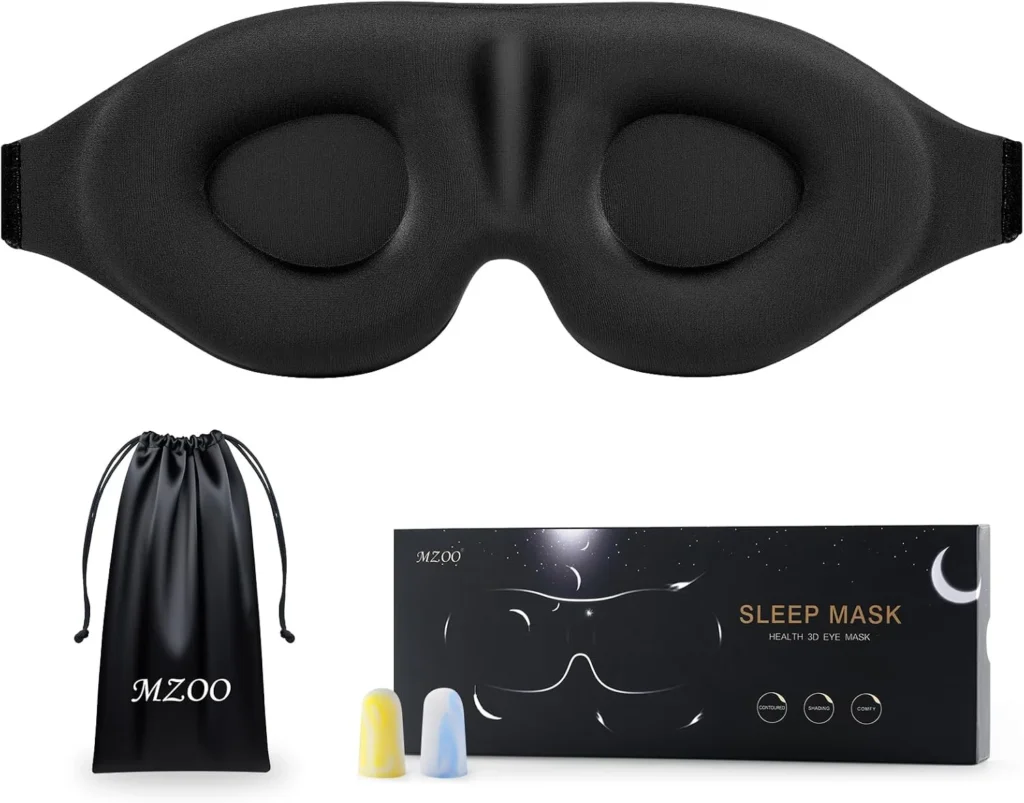
MZOO Luxury Sleep Eye Mask
★★★★★
4.6/5
- Contoured design (no eye pressure!)
- 100% blackout
- Adjustable strap (no jaw pressure)
Why it’s TMJ-friendly: Deep eye cups mean NO pressure on face/jaw.
Regular masks press on face = can worsen TMJ!
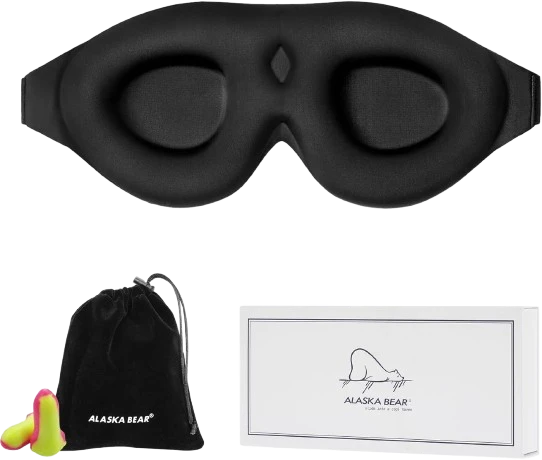
ALASKA BEAR Sleep Mask
★★★★★
4.6/5
- 100% mulberry silk
- Hypoallergenic
- Gentle on skin
- Machine washable
Bonus: Anti-aging for delicate eye area! Included – ear plugs, travel pouch. Larger & deeper eyecups allow you to blink naturally
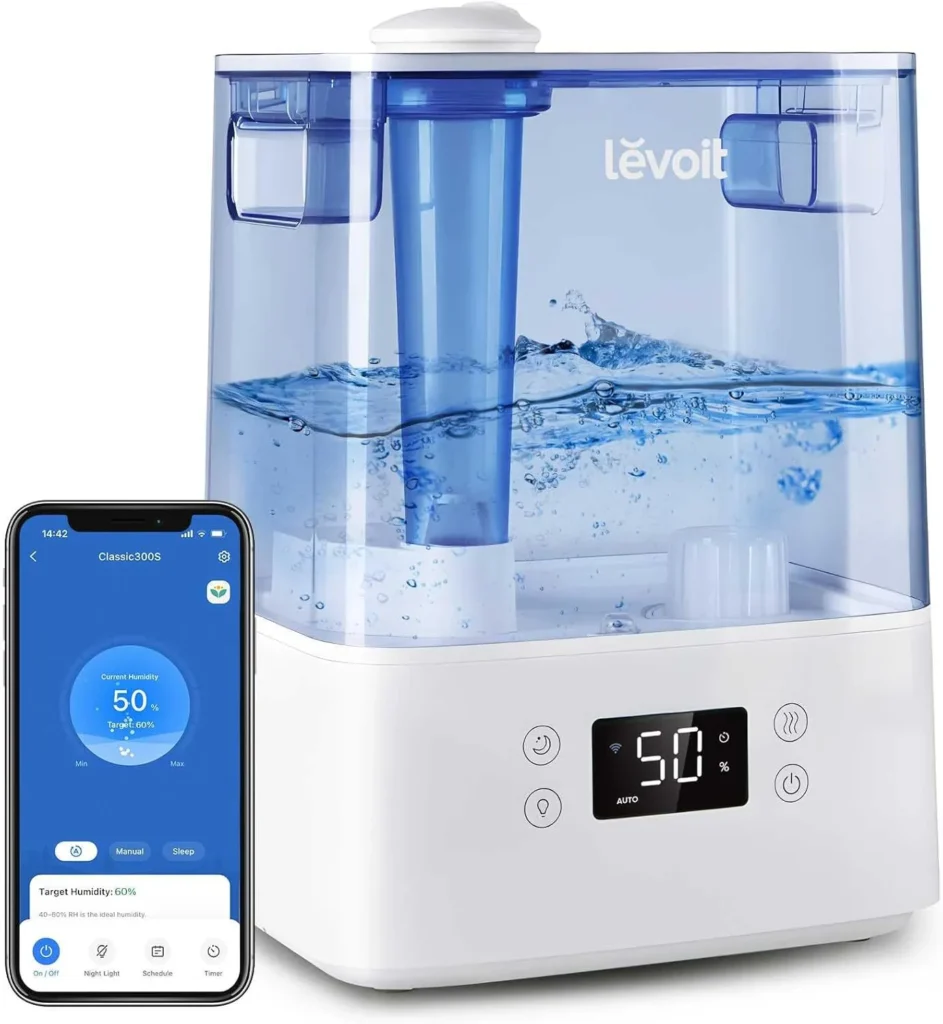
💧 Humidity: Dry air can encourage mouth breathing, which lets the jaw drop open and stay strained through the night. A humidifier can help, especially in winter or dry climates.
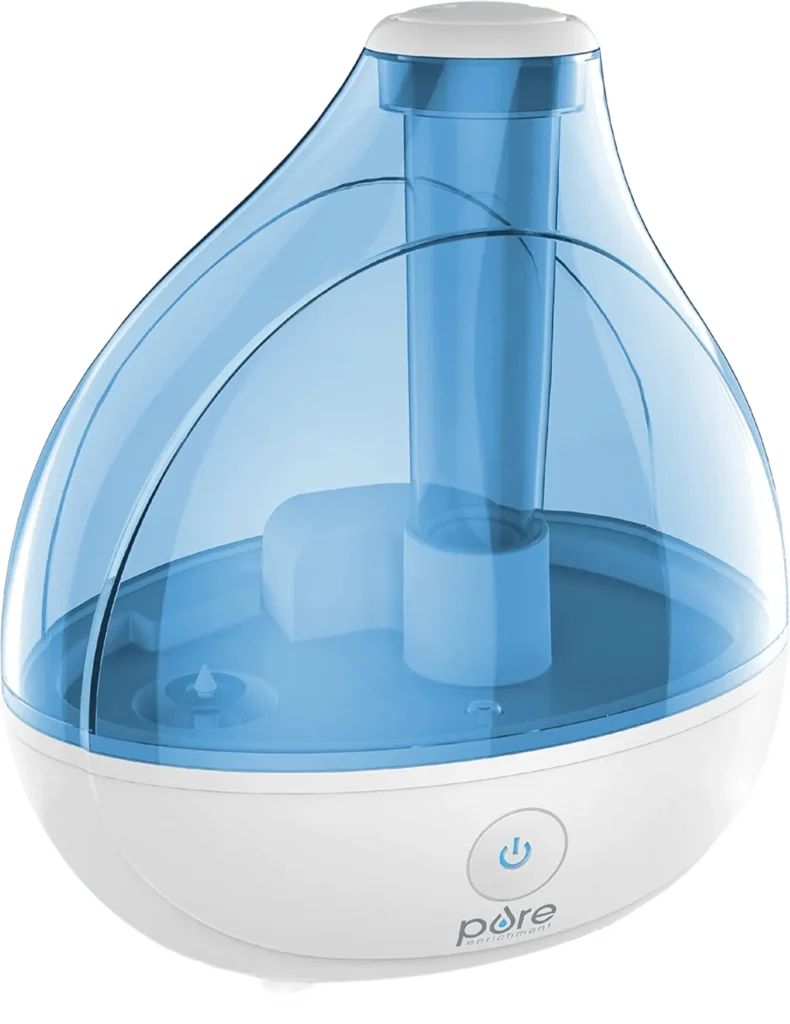
Pure Enrichment MistAire
★★★★★
4.2/5
- 1.5L tank
- Auto shut-off
- Simple, effective
Run: Every night, especially winter months
🎵 Sound: Either complete silence (earplugs) or consistent white noise — avoid TV or music with lyrics, which tends to disrupt deeper sleep stages more than steady background sound.
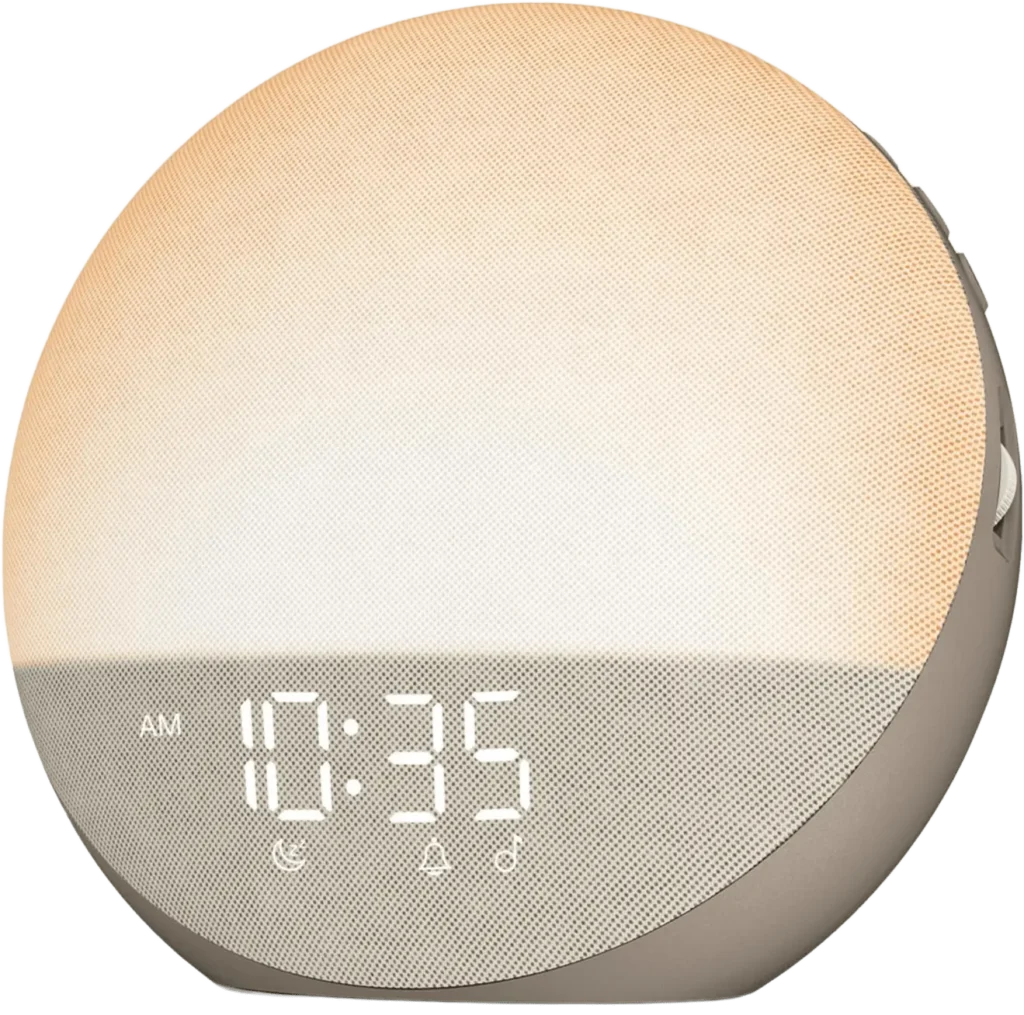
Hatch Restore
★★★★★
4.5/5
- White noise + sunrise alarm + meditation
- App control
- Gorgeous design
- Gentle Wake Up with Sunrise Alarm Clock
Best for: Tech lovers, want all-in-one solution
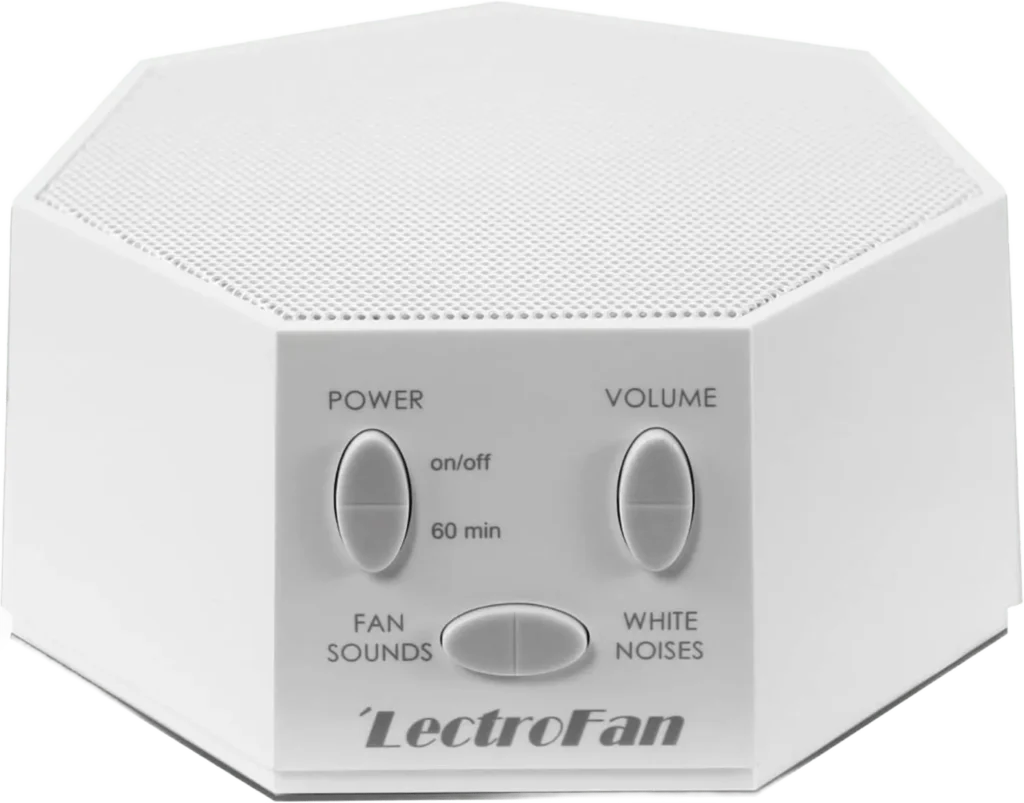
LectroFan White Noise
★★★★★
4.6/5
- 20 unique sounds
- No loops (true random!)
- Compact, travel-friendly
- Globally compatible adaptors included
Best for: Pure white noise, budget-conscious
Avoid: TV, music with lyrics (disrupts deep sleep!)
💊 #5: Natural Sleep Supplements
Magnesium (commonly 200-400mg): Often used for both general sleep support and muscle relaxation, which is relevant to jaw tension specifically. Glycinate form is generally well-absorbed and calming.

Nature Made Magnesium Glycinate 200mg
★★★★★
4.6/5
- Glycinate form = more calming
- Take 1 capsule 30-60 minutes before bed
Why also in this article: 78% of people who take magnesium
for TMJ report BETTER SLEEP as a bonus benefit!
Dosage for sleep: Take 2 capsules (400mg total) 60 minutes before bed. Start with 1 capsule (200mg) if you’re sensitive.
For more on magnesium and TMJ specifically, see our complete magnesium guide.
Melatonin: Helps with sleep onset for a lot of people. A common recommendation is to start low (0.5-1mg) rather than jumping to higher doses — more isn’t necessarily better, and higher doses can cause grogginess or vivid dreams in some people.
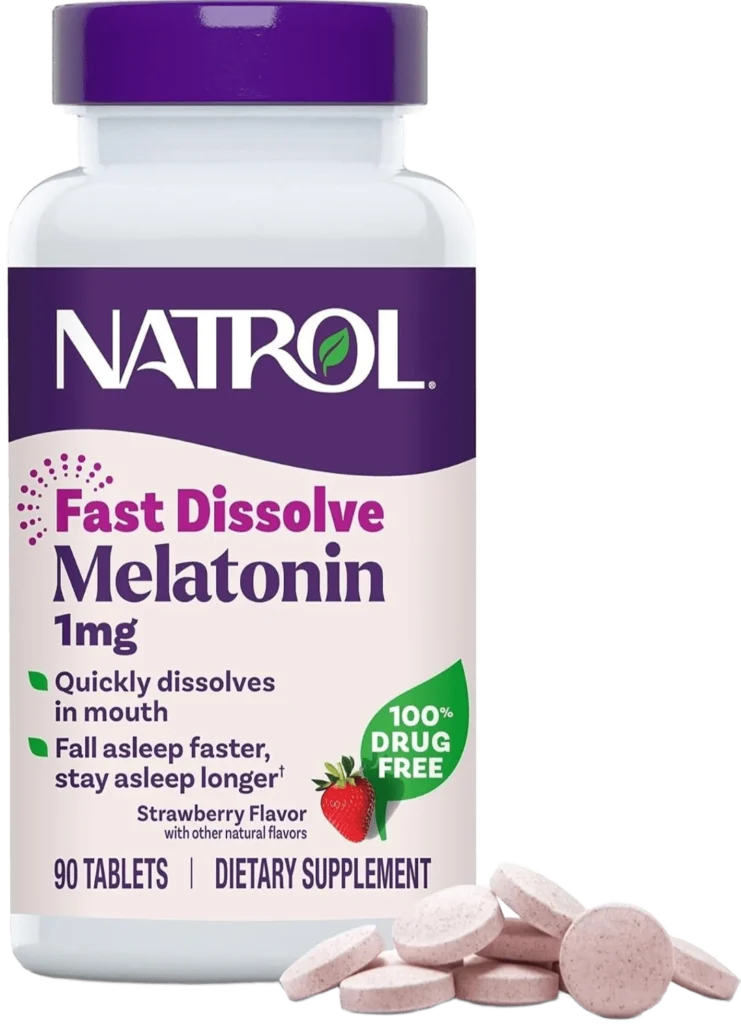
Natrol Melatonin 1mg Fast Dissolve
★★★★★
4.7/5
- Low dose (perfect for beginners!)
- Dissolves on tongue (fast-acting)
- Strawberry flavor, no water needed
Dosage: Start with 0.5-1mg, taken 60-90 minutes before bed
Melatonin helps you fall asleep faster and improves sleep quality.
⚡QUICK START: Natrol 1 mg is perfect for trying melatonin
for the first time. Most people take an EXCESSIVE dose — start with a low dose!
See our complete melatonin guide for more on dosing, timing, and interactions.
L-Theanine (commonly 200mg): An amino acid often used for a calming effect without sedation — some people pair it with magnesium.
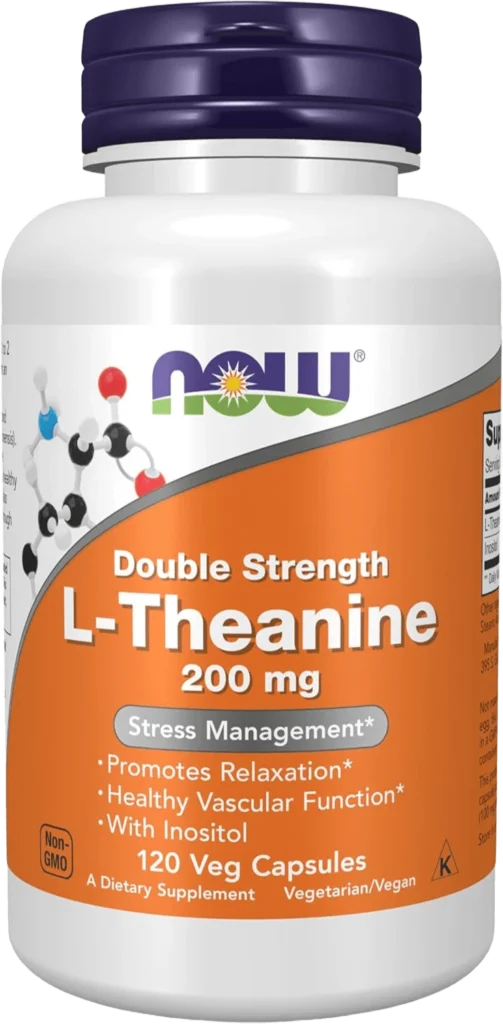
NOW Foods L-Theanine 200mg
★★★★★
4.7/5
🍵 Calm Without Drowsiness
- Pure L-theanine
- Vegan capsules
- GMP certified
Combine with: Magnesium for ultimate sleep stack!
Valerian root or passionflower: Traditional herbal options sometimes used for anxiety-related sleep trouble (valerian ~300-600mg, passionflower ~250-500mg). Some people experience next-day grogginess — worth testing on a night when you don’t need to be sharp early.
A reasonable starting point: try magnesium alone first for a week or two before layering in anything else, so you can tell what’s actually helping.
As always with supplements: check with a doctor or pharmacist about interactions with any medications you take, and don’t exceed label dosages without professional guidance.
🧘 #6: A Pre-Sleep Relaxation Routine (About 30 Minutes)
A simple wind-down sequence some people find helpful:
Screen curfew (30-60 min before bed): Blue light exposure close to bedtime is generally associated with delayed melatonin release. Reading a physical book, gentle stretching, or quiet time works as an alternative.
Warm jaw compress (5 min): A warm, damp towel against the jaw and cheeks to encourage blood flow and release tension before sleep.
Jaw release exercises (5 min): Gentle opening (tongue on the roof of the mouth, open slowly to a comfortable range, hold 5 seconds, close gently — 10 reps); side-to-side movement (10 reps each side); light self-massage of the masseter muscle.
4-7-8 breathing (5 min): Exhale completely, inhale through the nose for 4 counts, hold for 7, exhale through the mouth for 8. Repeat 8 cycles. This kind of slow breathing is commonly used to activate the parasympathetic (“rest and digest”) nervous system, which tends to help muscles — including the jaw — relax.
Before bed, a final check: room cool and dark, pillow positioned well, tongue resting on the roof of the mouth, teeth slightly apart, and a conscious effort to relax the jaw as you settle in.
🍎 #7: Foods That Support Sleep (and Don’t Aggravate TMJ)
What you eat in the few hours before bed can matter for both sleep and jaw tension.
Foods often associated with better sleep (tryptophan and magnesium-rich): bananas, almonds, turkey, warm milk, tart cherries, honey, eggs, sweet potato.
Worth limiting in the hours before bed:
- Caffeine — has a long half-life (roughly 5-6 hours), so afternoon coffee can still be partly active at bedtime
- Alcohol — often feels sedating initially but tends to fragment sleep and can increase nighttime grinding
- Heavy or spicy meals — can cause reflux that disrupts sleep
- Added sugar — blood sugar swings can contribute to waking during the night
A sample evening: dinner around 6pm (grilled salmon, sweet potato, steamed broccoli), an optional light snack around 8:30 (banana with almond butter, or chamomile tea), and nothing but water after that.
😮 #8: Nasal Breathing at Night
Mouth breathing during sleep tends to correlate with more jaw strain — the jaw sits open and unsupported for hours, and it’s often linked with dry mouth and snoring.
Mouth taping is one method some people use to encourage nasal breathing at night, but it’s not appropriate for everyone.
Important safety note: only consider this if you can breathe comfortably through your nose while awake. Skip it if you have nasal congestion, a deviated septum, or any condition affecting your airway — and if you have sleep apnea or suspect you might, talk to a doctor before trying this rather than self-treating with tape.

3M Micropore 2 X 10 Yd Tape W/Dispenser
★★★★★
4/2
- Cut to custom size
- Medical-grade
DIY option: Cut small strip, apply vertically over closed lips
If you try it: apply a small strip vertically over closed lips (not horizontally, which is harder to open if you need to) after brushing your teeth, before bed. You should still be able to open your mouth if you really need to.
🦷 #9: Night Guard Considerations
If you already wear a night guard, it’s worth checking that it’s actually helping rather than adding strain:
Common issues: too thick (can push the jaw forward), poor fit, hard plastic that your teeth fight against, or a guard that’s simply worn out.
What tends to work better: a custom-fitted guard from a dentist (more expensive, but properly balances your bite), moderate thickness (roughly 2-3mm), soft or dual-laminate material, and regular cleaning and replacement every 6-12 months.
Whether you need one at all: a dentist can help you decide based on visible tooth wear, reported grinding, and symptom severity — a night guard is a helpful tool for a lot of people, but not the whole solution on its own.
🧘#10: Managing Stress in the Evening
A large share of nighttime grinding is connected to unprocessed daytime stress, so an evening wind-down that addresses stress directly can help alongside the physical steps above.
A simple sequence: gentle movement earlier in the evening (a walk or light stretching), a few minutes writing down what went well that day, a “worry dump” — writing down anything on your mind with a note to revisit it tomorrow at a specific time — and a few minutes of meditation or quiet breathing before bed.
📱 #11: Tracking Your Sleep (Optional)
Simple tracking can help you notice patterns — what nights had less jaw pain, and what you did differently. Pen and paper works fine, or apps/devices like Sleep Cycle, Oura Ring, or a smartwatch if you want more detail.
🌿 #12:Bedroom Plants (Minor Bonus)
Some people find lavender’s scent calming, and plants like snake plant or aloe vera are easy to maintain and contribute to a pleasant bedroom environment — a small, low-effort addition rather than a core strategy.
📅 Your 4-Week Approach
Week 1 — Position & environment: work on back sleeping, set bedroom temperature, add blackout curtains, start tracking sleep.
Week 2 — Supplements & routine: add magnesium, start the pre-sleep protocol, set a screen curfew, try 4-7-8 breathing.
Week 3 — Additional techniques: try mouth taping if appropriate for you, add evening stress release, adjust your evening meal, consider melatonin if needed.
Week 4 — Fine-tuning: ease off any positional aids you no longer need, review what’s actually helping based on your tracking, and adjust.
Month 2+: keep whatever’s genuinely working as an ongoing habit.
Progress varies a lot from person to person — some people notice a difference within a couple of weeks, others need longer or need to combine this with dental or medical treatment.
📊Tracking Your Progress
| Week | Sleep Position Success | Morning Pain (1-10) | Sleep Quality (1-10) | Notes |
|---|---|---|---|---|
| 1 | ___% on back | ___ | ___ | ___ |
| 2 | ___% on back | ___ | ___ | ___ |
| 3 | ___% on back | ___ | ___ | ___ |
| 4 | ___% on back | ___ | ___ | ___ |
⚠️When to See a Sleep Specialist
See a doctor if you notice:
- Severe snoring with gasping or pauses in breathing (possible sleep apnea)
- No improvement after 6+ weeks of consistent effort
- Extreme daytime fatigue
- A partner reporting you stop breathing during sleep
- Daily morning headaches
Sleep apnea and TMJ can coexist, and a CPAP or other sleep-specific treatment may be needed alongside anything you do for the jaw itself.
✅ Your Action Plan
Tonight: set bedroom temp to 65-68°F, set up a cervical pillow or towel roll, arrange side pillows for a back-sleeping trial, take magnesium if you have it, try 4-7-8 breathing before bed.
This week: order any supplements or bedroom items you’re missing, set a screen curfew, start a sleep journal.
Ongoing: practice your chosen sleep position nightly, keep up the pre-sleep routine, and track progress weekly.
📥Get Your Free TMJ Relief Checklist
Want a printable version covering a morning jaw routine, anti-inflammatory food ideas, sleep position tips, and an evening wind-down protocol? [Download it here 👇].
💬 Final Thoughts
Sleep isn’t just rest — it’s a lot of your body’s repair time, including for the muscles and joints involved in TMJ. The habits in this guide work together rather than in isolation: position, environment, supplements, and stress management all play a role, and most people find gradually building a few of these in works better than trying to change everything at once.
🔗 CONTINUE YOUR HEALING JOURNEY:
Read next:
→ TMJ Natural Remedies: Evidence-Based Approaches
→ Holistic TMJ Treatment: Mind-Body Connection
→ Natural Wellness Approaches for TMJ Relief
Questions about sleep and TMJ? Drop a comment! 💬
I read every single one and respond personally.
Medical Disclaimer: This article is for informational purposes only and does not constitute medical advice. Always consult a qualified healthcare provider before making significant changes to your health regimen, especially if you have underlying medical conditions or take medications. If you suspect sleep apnea or another sleep disorder, please see a sleep specialist.
About Natural Wellness 30:
We’re dedicated to helping you achieve natural, lasting wellness through evidence-based solutions. Better sleep = better life. Let’s make it happen together.
Join our community: www.naturalwellness30.com