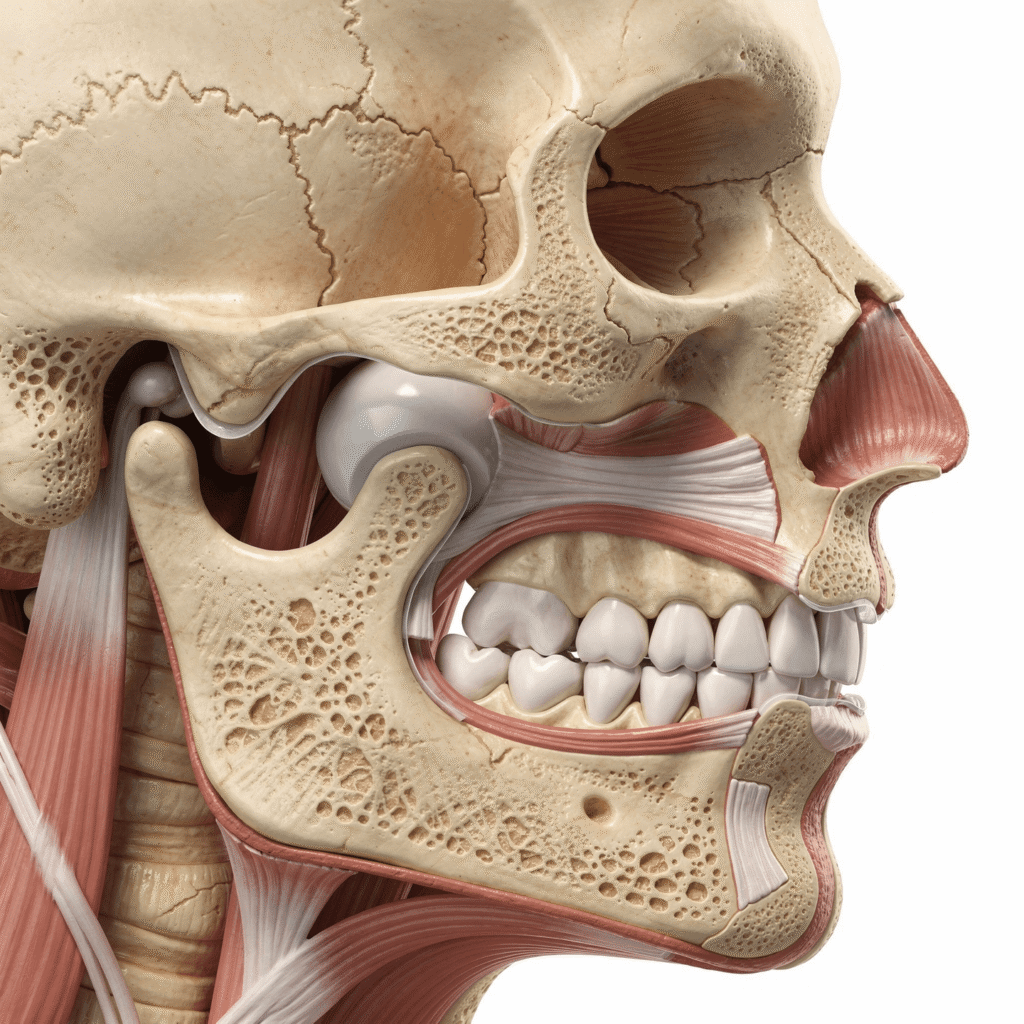
Do you wake up with a stiff, aching jaw every morning? Do you hear clicking sounds when you chew, or deal with tension headaches that won’t quit?
You’re not alone — TMJ (temporomandibular joint) disorders are one of the most common jaw-related complaints, and a lot of people look for ways to ease symptoms without jumping straight to medication.
This guide walks through 14 natural approaches that are commonly recommended for TMJ relief — what they are, how to do them, and what to realistically expect. None of these replace a proper diagnosis. If your pain is severe, persistent, or getting worse, see a doctor or dentist who specializes in TMJ before trying to manage it on your own.
| ℹ️ Disclosure: This post contains affiliate links. If you purchase through them, we may earn a small commission at no extra cost to you. We only link products we’d genuinely consider ourselves. |
⏰ Reading time: 8 minutes
👇 Get Your Free TMJ Relief Checklist
Want this organized as a daily/weekly tracker to print? [Download the free checklist at the end of the article 👇] — it includes a morning jaw routine, anti-inflammatory food ideas, sleep position tips, and an evening relaxation protocol.
⚡ Instant Relief: The 5-Second Jaw Reset
A simple trick many people find helpful for catching themselves mid-clench:
- Rest the tip of your tongue on the roof of your mouth, just behind your front teeth.
- Keep your lips together, but let your teeth stay slightly apart.
- In this position, it’s much harder for your jaw muscles to stay clenched.
Try holding this as you read through the rest of the guide — it’s a good habit to build throughout the day, not just while reading.
🔬 Why These Remedies Help
HTMJ pain usually comes from a mix of three things:
- Muscle tension — from stress or unconscious clenching
- Inflammation — influenced by diet and lifestyle
- Structural strain — posture, sleep position, habits like nail-biting or gum chewing
Medication can dull the pain, but it doesn’t address any of these underlying drivers. That’s the logic behind combining supplements, physical therapy-style exercises, and lifestyle changes — each one targets a different piece of the puzzle.
With that in mind, here are 15 remedies people commonly use.
💊 #1: MAGNESIUM
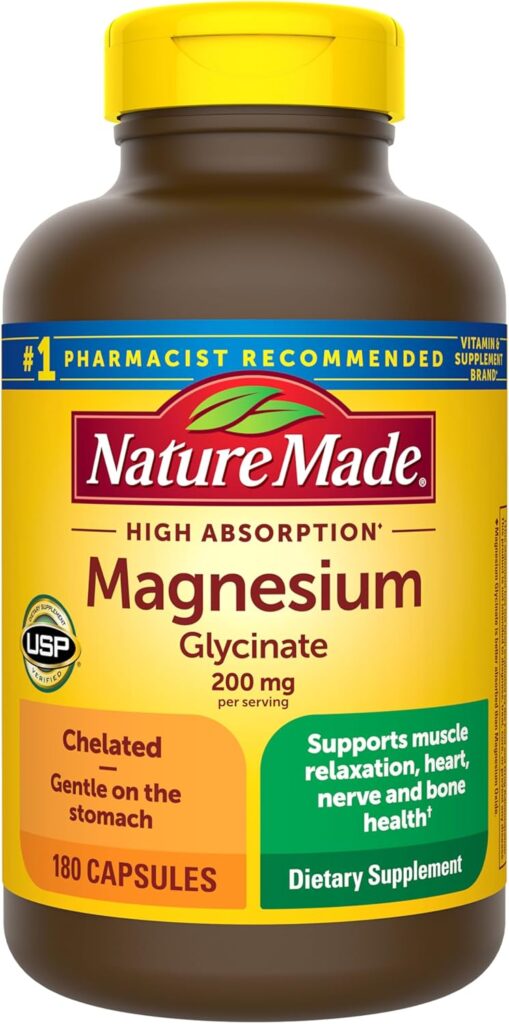
Magnesium plays a role in muscle relaxation, and since your jaw muscles are frequently contracting (especially if you clench or grind), some people find magnesium supplementation helps reduce that baseline tension. It’s also commonly used to support sleep, which matters since a lot of clenching happens at night.
How people typically use it: 300–400mg of magnesium glycinate, taken in the evening. Glycinate and citrate forms are generally better absorbed than magnesium oxide.
★★★★★
4.6/5
- High-absorption magnesium that supports muscle relaxation, bone health, and nerve function
- Adults typically take two capsules daily with water and a meal
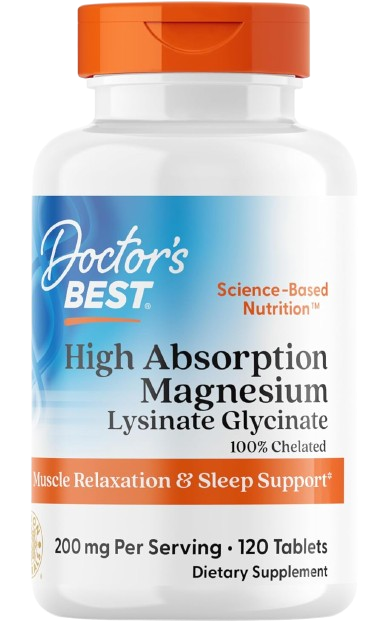
Doctor’s Best High Absorption Magnesium
★★★★★
4.6/5
- 100% chelated for easier digestion
- Supports muscles, nerves, and sleep quality
- SLEEP AND MUSCLE RELAXATION
⚠️ Worth knowing:
- Avoid if you have kidney disease or are on certain heart medications — check with your doctor first
- Mild digestive upset is possible, though less common with the glycinate form
- Often paired with Vitamin D for better absorption
🧘 #2: TARGETED JAW EXERCISES
These five exercises take about 5 minutes and are often recommended by physical therapists who treat TMJ. Aim for 2–3 times daily.
Gentle Jaw Stretch: Tongue on the roof of the mouth, open as wide as comfortable, hold 5 seconds, close gently. Repeat 10 times.
Chin Tucks: Stand against a wall, pull your chin straight back (“double chin” motion), hold 10 seconds, repeat 5 times. This helps correct forward head posture, which is a known contributor to jaw strain.
Resistance Mouth Opening: Thumb under the chin, open your mouth against gentle resistance, hold 5 seconds, repeat 10 times.
Side-to-Side Jaw Slide: Move your lower jaw slowly right, hold 5 seconds, return to center, repeat left. 10 reps each side.
Goldfish Exercise: Tongue on the roof of the mouth, one finger on the jaw joint, one on the chin, drop your jaw halfway, close. Repeat 10 times.
A note on safety: Stop if you feel sharp pain, your jaw locks, or pain worsens over a few days — that’s a sign to check in with a physical therapist rather than push through.
🥗 #3: ANTI-INFLAMMATORY DIET
TMJ discomfort often has an inflammatory component, so eating in a way that generally reduces inflammation can help alongside other approaches.
Foods people often add:
| Food | Why it’s included |
|---|---|
| 🐟 Fatty fish (salmon, sardines) | Omega-3s, generally anti-inflammatory |
| 🥬 Leafy greens | Magnesium and antioxidants |
| 🫐 Berries | Anthocyanins, antioxidant-rich |
| 🥜 Walnuts | Omega-3s + magnesium |
| 🌱 Turmeric | Contains curcumin, studied for anti-inflammatory properties |
| 🍵 Green tea | Contains EGCG, an antioxidant compound |
| 🥑 Avocado | Healthy fats |
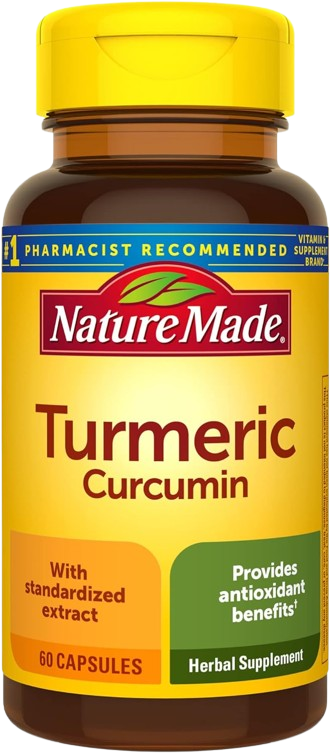
Nature Made Turmeric Curcumin 500mg
★★★★★
4.7/5
- USP Verified, third-party tested
- 500mg curcumin with BioPerine for absorption
- These gluten free Turmeric Curcumin capsules have no color added, no artificial flavors and no preservatives
Foods that tend to make things worse: processed sugar, refined carbs, trans fats, excess caffeine, alcohol, and hard or chewy foods that stress the joint directly.
A simple day of eating might look like eggs with spinach and avocado for breakfast; grilled salmon with quinoa and broccoli for lunch; sweet potato, ground turkey, and sautéed greens for dinner — with turmeric worked into meals where it fits naturally.
🧊 #4: HEAT and COLD THERAPY
🌡️ Physical: Targeted Relief & Self-Massage Your jaw muscles are often overworked, tight, and inflamed. While targeted exercises help build long-term mobility, your immediate priority when facing an acute flare-up is reducing localized inflammation and soothing the nervous system. A specialized, hands-free facial compress makes managing daily jaw pain significantly easier and more comfortable than holding a standard ice pack against your face.
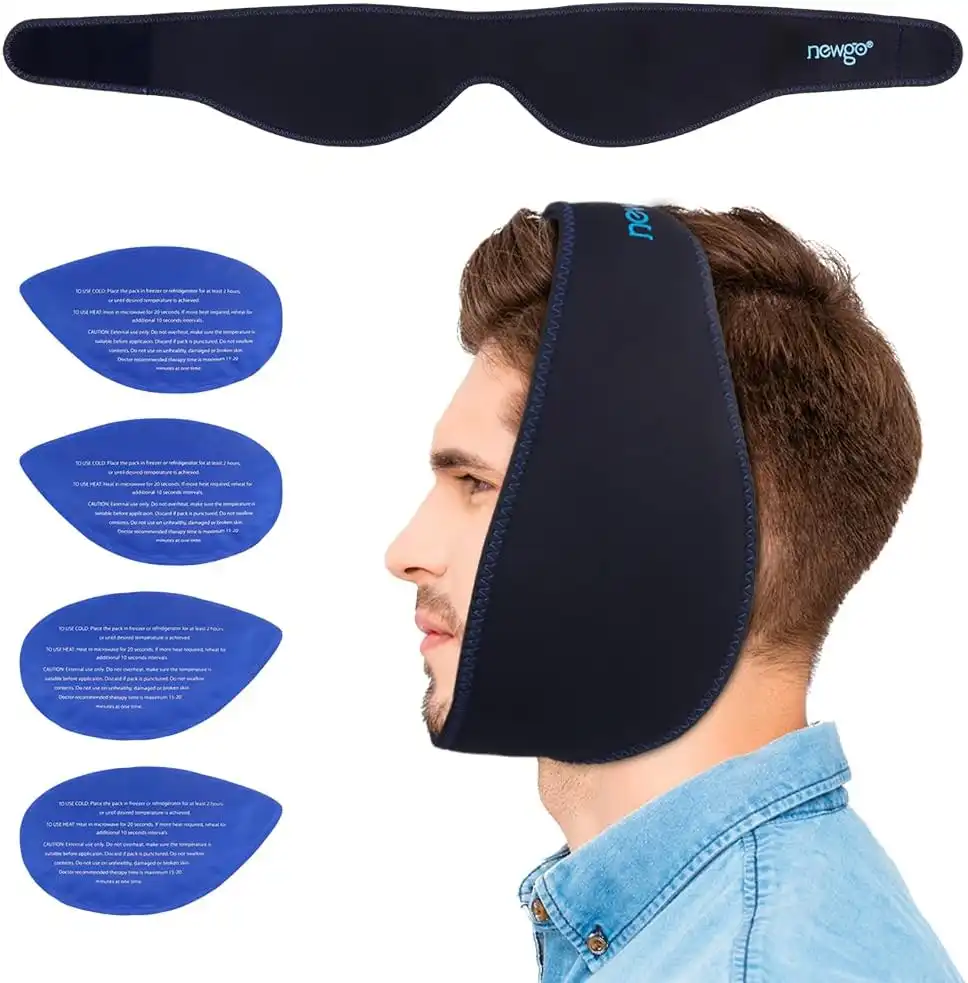
Teeth Ice Pack Head
★★★★★
4.6/5
FACIAL COMPRESS FOR IMMEDIATE TMJ RELIEF
- Hands-Free Design: Adjustable Velcro strap wraps securely around your head so you can rest, work, or read.
- Dual Therapy: Includes reusable gel packs that can be frozen for cold therapy (to reduce acute swelling) or microwaved for deep heat therapy (to relax stiff masseter muscles).
- Targeted Coverage: Perfectly shaped to hug both sides of your jaw joints and temples simultaneously.
How to use it for maximum relief:
Morning Stiff Jaw: Microwave the gel packs for 10-15 seconds. Apply comfortable heat to your jaw for 5 minutes *before* starting your morning stretching routine to loosen tight connective tissues.
Evening Throb/Post-Chewing Pain: Freeze the packs for at least 2 hours. Apply cold therapy for 10-15 minutes after dinner to numb sharp pain and stop the inflammation cycle before bed.
🧘♀️ #5: STRESS MANAGEMENT
A lot of jaw clenching is an unconscious stress response, so managing stress is often as important as any physical treatment.
Box breathing: Inhale 4 counts, hold 4, exhale 4, hold 4. Repeat for 5 minutes.
Progressive muscle relaxation: Tense each muscle group for 5 seconds, then release — start at the feet and work up, spending extra time on the jaw.
Meditation: Even 10 minutes daily with an app like Headspace or Calm can help lower overall tension.
Jaw-focused mindfulness: Set hourly reminders to check — is your jaw clenched? Consciously relax it and reset your tongue position.
💤 #6: SLEEP OPTIMIZATION
Sleep position can meaningfully affect TMJ symptoms, especially since a lot of grinding and clenching happens at night.
Best position: back sleeping — it avoids lateral pressure on the jaw. Use a cervical support pillow and keep arms relaxed at your sides.
Worst position: stomach sleeping — this puts direct, sustained pressure on the jaw joint.
If you’re a committed side sleeper: use a contoured pillow that doesn’t compress the jaw, and try to alternate sides.
A simple wind-down routine: warm compress (5 min) → gentle jaw stretches (5 min) → slow breathing like 4-7-8 (inhale 4, hold 7, exhale 8) before sleep.
🌿7 #-14: More Remedies Worth Knowing
Acupuncture — Some people find relief with 6–10 sessions targeting jaw and facial tension points. Cost varies widely by provider.
Massage therapy — Focused on the masseter and temporalis muscles (the main jaw muscles). Weekly professional sessions or 10 minutes of daily self-massage.
Essential oils — Lavender and peppermint, diluted and massaged into the jaw area, are commonly used for a calming/relaxing effect. Evidence here is mostly anecdotal.
Omega-3 supplements — Fish oil is generally anti-inflammatory.
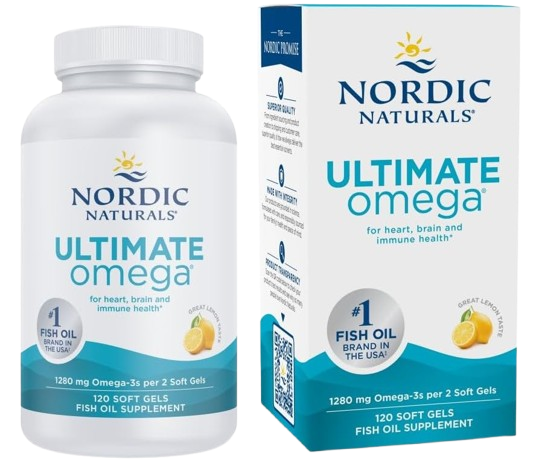
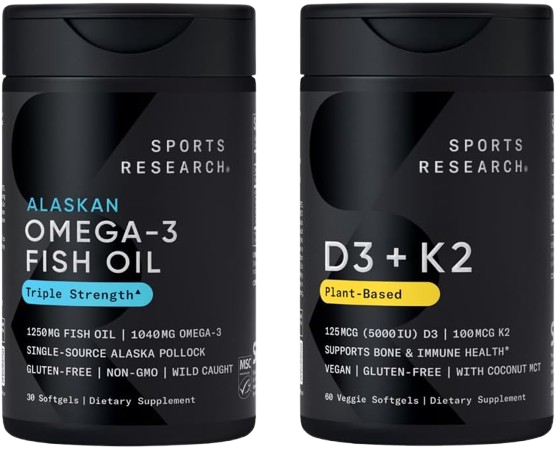
Sports Research Omega-3 + Vitamin D3 + K2
★★★★★
4.8/5
- Triple strength Omega-3, includes Vitamin D3 + K2
Vitamin D — Deficiency is common in the general population and is worth checking with a blood test if you’re curious; supplementing (2000–4000 IU/day) is typical if you’re low.
Posture correction — Forward head posture puts extra strain on the jaw. An ergonomic setup at your desk and regular posture checks can help.
Biofeedback — A device-assisted technique that helps you become aware of jaw tension in real time so you can consciously release it.
Cognitive Behavioral Therapy (CBT) — Particularly useful if stress or anxiety is a major driver of your clenching; a therapist can help you address the root behavioral pattern.
📋Your 30-Day Approach
A reasonable way to phase these in rather than trying everything at once:
Week 1 — Foundation: Magnesium in the evening, jaw exercises 2–3x/day, heat therapy, anti-inflammatory meals, hourly jaw-awareness checks.
Weeks 2–3 — Building: Add daily meditation, an omega-3 supplement, sleep position correction, and a pre-bed relaxation routine.
Week 4 — Rounding out: Add acupuncture or massage (weekly), a Vitamin D supplement if you’re deficient, and daily posture work.
Month 2+: Keep whatever’s working, and taper off anything that isn’t making a noticeable difference.
Results vary a lot person to person — some people notice less morning stiffness within a couple weeks, others need longer or need to combine this with professional treatment. There’s no fixed timeline that applies to everyone.
⚠️ WHEN TO SEE A DOCTOR
See a doctor or TMJ specialist if you experience:
- Severe pain that isn’t improving after several weeks of consistent effort
- Inability to fully open or close your mouth
- Jaw locking frequently
- Pain radiating to your ears, neck, or head
- Clicking/popping that’s accompanied by real pain (not just noise)
- Symptoms that are interfering with eating, sleeping, or daily life
Natural approaches work well for a lot of people, but TMJ can have structural or dental causes that genuinely need professional treatment — don’t let a self-care routine substitute for that when it’s needed.
👇Get Your Free TMJ Relief Checklist
Want this laid out as a printable daily/weekly tracker? [Download the free checklist 👇 ] — covers a morning jaw routine, anti-inflammatory food ideas, sleep position tips, and an evening wind-down protocol.
📥 FREE DOWNLOAD: TMJ Recovery Checklist
Get your FREE printable checklist with: ✅ Daily exercise routines
✅ Meal plans
✅ Tracking sheets
✅ Supplement schedule
✅ Progress monitoring
🔗 RELATED ARTICLES:
Want to learn more?
→ Sleep Wellness: Natural Solutions for Better Rest
→ Holistic TMJ Treatment: Mind-Body Connection
→ The Complete Evening Routine for TMJ Sufferers
Questions? Drop a comment below! I read and respond to every one. 💬
Medical Disclaimer: This article is for informational purposes only and does not constitute medical advice. Always consult a qualified healthcare provider before making changes to your health regimen, especially if you have underlying medical conditions or take medications.