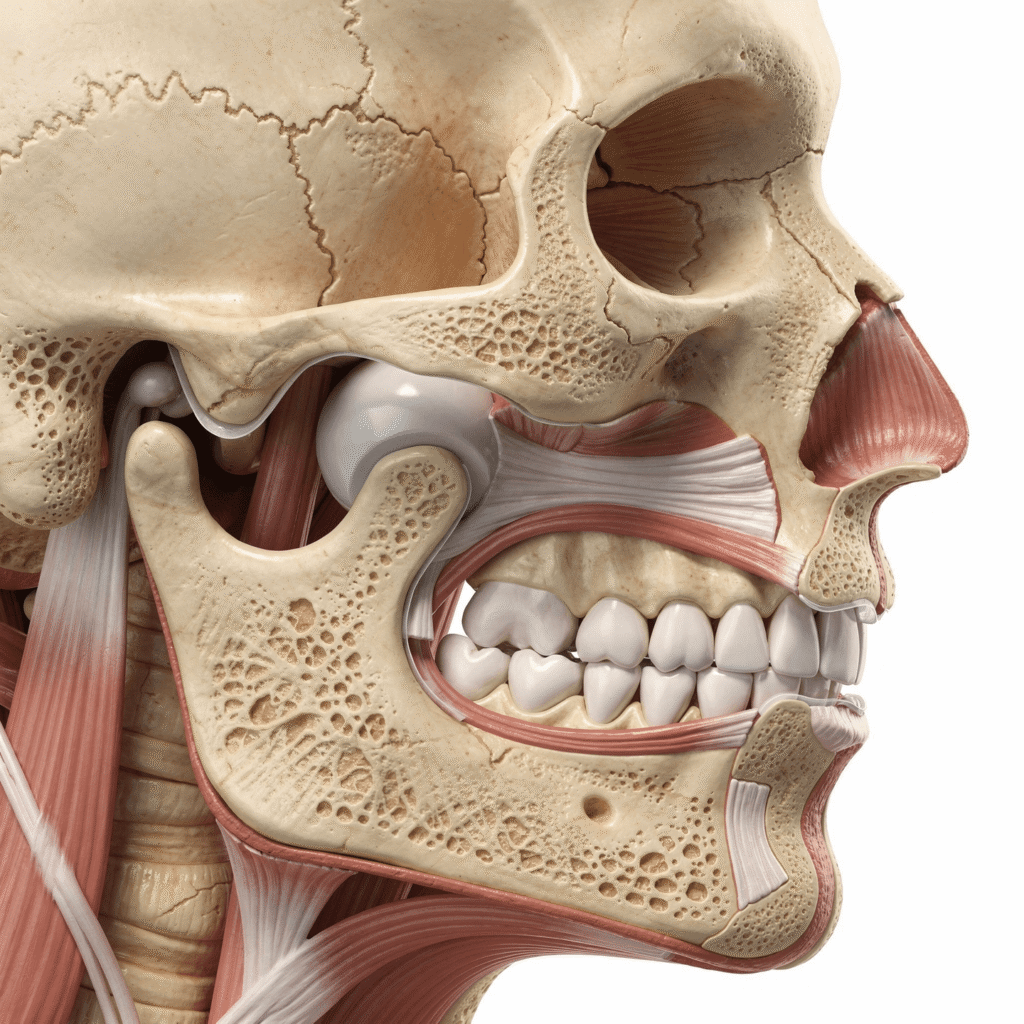
When you think about temporomandibular joint (TMJ) pain, you might imagine it as a purely physical problem — a mechanical issue with the jaw joint, muscles, or alignment. But many people who deal with TMJ long-term find that treating just the physical symptoms provides incomplete or temporary relief.
TMJ disorders often sit at the intersection of physical structure, emotional stress, psychological patterns, and lifestyle factors. Your jaw doesn’t exist in isolation — thoughts influence muscles, stress affects inflammation, and emotions frequently show up as physical tension.
This is the idea behind holistic TMJ treatment: addressing the whole person, not just the symptom. This guide explores how your mental and emotional state can affect your TMJ, and practical mind-body approaches that complement physical treatment.
| ℹ️ Disclosure: This post contains affiliate links. If you purchase through them, we may earn a small commission at no extra cost to you. We only link products we’d genuinely consider ourselves. |
⏰ Reading time: 15 minutes
👇 Get Your Free TMJ Relief Checklist
Want this organized as a daily/weekly tracker to print? [Download the free checklist at the end of the article 👇] — it includes a morning jaw routine, anti-inflammatory food ideas, sleep position tips, and an evening relaxation protocol.
🧠 The Mind-Body Connection
Mind-body medicine — the idea that mental and emotional states meaningfully affect physical health — is well established in general pain research, not just alternative theory.
How stress reaches your jaw: When you experience stress (a work deadline, an argument, financial worry), your brain activates the sympathetic nervous system. The hypothalamus signals the pituitary gland, which signals the adrenal glands to release cortisol and adrenaline. Muscles throughout the body tense — including the jaw. If stress is chronic, that tension can become habitual rather than something you consciously notice.
How the brain shapes pain: Pain isn’t purely a signal from damaged tissue — it’s an experience your brain constructs from multiple inputs. Emotional state, anxiety, and stress level can all influence how intense pain feels, and psychological factors can keep pain going even after any initial tissue irritation has settled.
What the research generally supports: Mind-body approaches like CBT and mindfulness-based stress reduction are well-studied for chronic pain conditions broadly, including some TMJ-specific research, and are often used alongside — not instead of — physical treatment. If you want to dig into specific studies, PubMed is a good place to search “TMJ” plus “cognitive behavioral therapy” or “mindfulness” for current research rather than relying on secondhand summaries (including this one).
Want this organized as a daily/weekly tracker to print? [Download the free checklist at the end of the article 👇] — it includes a morning jaw routine, anti-inflammatory food ideas, sleep position tips, and an evening relaxation protocol.
🤔 Understanding Your Personal TMJ-Stress Pattern
Before working on the mind-body connection, it helps to understand your own pattern. For one week, try tracking:
Physical symptoms: pain level (0-10), jaw tightness, clicking/popping/locking, headaches, and what time of day symptoms peak.
Emotional/mental state: stress level (0-10), anxiety, anger or frustration, mood in general.
Life circumstances: work demands, relationship dynamics, sleep quality, major stressors.
Behavioral patterns: noticed jaw clenching, teeth grinding awareness, posture habits, breathing patterns.
Look for correlations — does jaw pain increase with work stress? Is it worse after poor sleep? Are there specific triggers? This awareness is the foundation for the rest of these practices.
😧 The Stress-Tension-Pain Cycle
Step 1 — Stress trigger: A deadline, argument, or worry — the brain perceives a threat, real or imagined. Step 2 — Physical tension: Unconscious jaw clenching, shoulder/neck tightening, shallower breathing. Step 3 — Sustained contraction: Muscles stay tense for hours; blood flow decreases; trigger points can form. Step 4 — Pain develops: Muscle pain, joint irritation, headaches. Step 5 — Pain creates more stress: Worry about the pain, fear of it worsening. Step 6 — Cycle repeats and can intensify.
The useful thing about seeing it as a cycle: you can interrupt it at any point — managing stress directly, releasing tension through relaxation practices, addressing pain through physical or natural approaches, or working on how you relate to the pain itself (CBT, mindfulness).
🧘 Mindfulness and Meditation for TMJ
Mindfulness — present-moment, non-judgmental awareness — is one of the more accessible mind-body tools for TMJ, and increases awareness of clenching early enough to intervene before pain builds.
Jaw awareness meditation (10 min daily): Sit comfortably, eyes closed, take 5 breaths, then shift attention to your jaw. Notice whether it’s clenched or relaxed without judgment, consciously relax it, check that your tongue rests on the roof of your mouth with teeth slightly apart. Stay with the sensation a few minutes, gently returning attention to the jaw if your mind wanders. End with 5 deep breaths.
Body scan with TMJ focus (20 min): Lie down, and slowly move attention from feet up through the body, spending extra time at the shoulders, neck, and jaw/face — areas that often hold tension. Notice without forcing relaxation.
Walking meditation: Walk slowly, noticing each step and your feet connecting with the ground. A good alternative if sitting meditation is hard to settle into. 10-20 minutes daily.
Diaphragmatic breathing: One hand on chest, one on belly. Inhale through the nose for 4 counts (belly rises, chest stays relatively still), exhale through the mouth for 6 counts. Repeat 10 times, a few times a day.
Box breathing: Inhale 4, hold 4, exhale 4, hold 4. Repeat 5-10 cycles when stressed or when you notice jaw tension.
Humming breath: Inhale through the nose, exhale while humming — the vibration in the face and jaw can be a natural jaw-relaxer. 5-10 breaths when the jaw feels tight.

Peace Yoga Zafu Meditation Cushion
★★★★★
4.7/5
- Round buckwheat-filled cushion
- Promotes proper spine alignment
- Removable washable cover

🧠 Cognitive Behavioral Therapy (CBT) Concepts
CBT is a widely used, well-researched approach for chronic pain generally, and some clinicians apply it specifically to TMJ, particularly when stress or anxiety plays a clear role.
The core idea: thoughts influence feelings and behavior, which influence physical tension. For example: pain flares → thought “this will never get better” → hopelessness/anxiety → withdrawing from helpful practices → more tension and pain. Compare with: pain flares → thought “this is temporary, I know what to do” → calmer → keeps using coping techniques → less added tension.
Common unhelpful thought patterns worth noticing in yourself:
- Catastrophizing (“this pain is unbearable,” “it’s only going to get worse”)
- All-or-nothing thinking (“if I’m not completely pain-free, nothing is working”)
- Overgeneralizing (“nothing helps,” “I’ll never feel normal”)
A simple thought-record exercise: When you notice pain or stress, write down: the situation, your automatic thought, the emotion and its intensity (0-100%), evidence for and against the thought, an alternative, more balanced thought, and re-rate the emotion. Many people find the intensity drops once they’ve actually examined the thought rather than just felt it.
Self-compassion: Research on self-compassion (treating yourself kindly rather than critically) suggests it can help with pain and general wellbeing. When frustrated with your progress, try: “This is difficult, and a lot of people struggle with this. I’m doing what I can, and that’s enough” — rather than self-criticism for not healing faster.
A working CBT relationship with a licensed therapist will go further than self-guided exercises if anxiety, catastrophizing, or low mood are significant — this section is a starting point, not a replacement for that.
✅ Somatic Practices
Progressive Muscle Relaxation (PMR), 20 min: Working from feet upward, tense each muscle group for 5 seconds then release completely — feet, calves, thighs, glutes, abdomen, hands, arms, shoulders, neck, and finally the jaw (clench gently, hold, then release completely and notice the difference — repeat 3 times), then face and forehead. Good to do before bed.
Gentle somatic exploration: Sit comfortably, notice where you feel tension, bring gentle non-forcing attention to it, and simply observe whatever sensations or thoughts arise without needing to analyze them. If this brings up strong emotions or trauma-related memories, that’s a sign to work with a trauma-informed therapist rather than continue alone.
Simple movement (qigong-inspired, 10 min): Stand feet shoulder-width apart, gentle bouncing to loosen up, shoulder circles, slow neck rolls, slow jaw opening/closing and side-to-side movement, then stillness at the end to notice how your body feels.
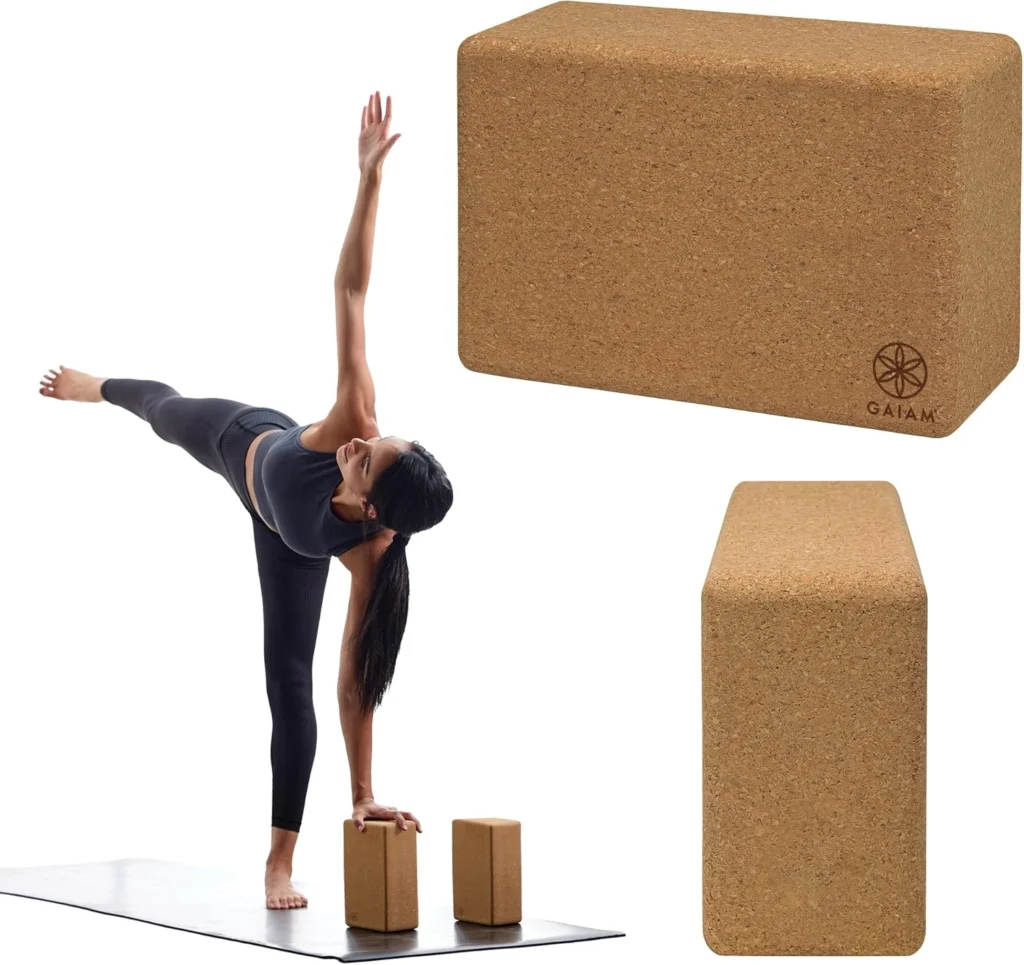
Yoga elements that help:
- Lion’s breath — inhale deeply, exhale forcefully through the mouth while opening the mouth wide, sticking the tongue out, and releasing facial tension. Repeat 3-5 times.
- Child’s pose — kneel, fold forward with forehead toward the floor, breathe deeply, hold a few minutes.
- Legs up the wall — lie on your back with legs resting up a wall, arms relaxed, breathe, hold 10-15 minutes.

🥹The Role of Emotions in TMJ
Unexpressed emotion often shows up as physical tension, and the jaw is a common place for that to land — a clenched jaw can literally feel like “holding back” words, suppressed anger, hypervigilant anxiety, or a “stiff upper lip” response to grief. This connection is described often in body-based therapy literature, though it’s more of a clinical observation than something with a single hard number attached to it.
Journaling prompts: What am I holding back saying? What am I angry about? What am I afraid of? What haven’t I grieved? What am I trying to control? Free-write for 10 minutes without editing yourself.
Voice work: Since jaw tension is sometimes linked to “not speaking up,” some people find it helpful to hum, sing, or speak/shout in a private space, and notice how the jaw feels afterward.
Emotional Freedom Technique (tapping): Evidence for tapping specifically is mixed, but some people find it a helpful ritual for naming and processing an emotion. If you want to try it: identify the emotion and where you feel it, rate its intensity, tap acupressure points while naming the feeling and a self-acceptance phrase, then re-rate.
When to bring in a professional: if journaling or somatic work surfaces something significant — old trauma, persistent depression or anxiety — that’s the point to loop in a therapist, not push through alone. Psychotherapy, somatic experiencing, and EMDR (for trauma) are all legitimate paths depending on what comes up.


⚕️Lifestyle as Medicine
Your environment: decluttering, natural light, and a quiet space for meditation or relaxation can genuinely reduce baseline stress. At work: an ergonomic setup, regular breaks, and boundaries around work hours help too.
A simple daily rhythm:
- Morning (20-30 min): gentle stretching, a few minutes of meditation or breathwork, a jaw-awareness check, a nutritious breakfast.
- Midday (10-15 min): a short walk if possible, mindful breathing, a jaw tension check.
- Evening (30-45 min): a lighter dinner earlier in the evening, gentle movement, your pre-sleep routine, some screen-free wind-down time.
Routines help mainly because they reduce decision fatigue and make sure helpful practices actually happen — start small (5-10 minutes), and prioritize consistency over doing it perfectly.
🥛 Nutrition for the Mind-Body Connection
Blood sugar and mood: Blood sugar spikes and crashes can affect mood, and mood affects stress, which affects jaw tension. Protein with each meal, fiber-rich foods, and regular meal timing help keep things steadier.
Gut health: The gut is closely linked to mood regulation (it’s often cited that a large share of the body’s serotonin is produced in the gut, though the practical takeaway is simpler than the statistic: gut health and mood are connected). Probiotic foods (yogurt, kefir, sauerkraut, kimchi), prebiotic foods (garlic, onions, bananas, oats), and a diverse, less-processed diet generally support this.
Foods often associated with calmer mood: magnesium-rich foods (leafy greens, nuts, seeds, dark chocolate, avocado), omega-3s (fatty fish, flaxseed, walnuts), B vitamins (whole grains, legumes, eggs), and green tea (contains L-theanine).
Hydration: Even mild dehydration can affect mood, concentration, and stress tolerance — aim for consistent hydration through the day.
🩵Building Your Support System
A potential care team (you don’t need all of these, but an integrated approach tends to help): primary care physician, dentist or TMJ specialist, physical therapist, a mental health professional if stress/anxiety is significant, and possibly a massage therapist, acupuncturist, or nutritionist.
Peer support — online or local TMJ or chronic pain support groups can help you feel less alone and share practical strategies.
With healthcare providers: be honest about both physical and emotional symptoms, and don’t hesitate to ask about mind-body approaches alongside physical treatment.
8-Week Holistic TMJ Plan
Weeks 1-2 — Foundation: daily jaw-awareness check-ins, 10-minute meditation, a morning/evening jaw relaxation routine, tracking your TMJ-stress patterns.
Weeks 3-4 — Deepening: add a 20-minute body scan, PMR before bed, and start using thought records when you notice unhelpful thinking patterns. Try one mind-body movement class (yoga, qigong, tai chi) if that appeals to you.
Weeks 5-6 — Integration: add emotional journaling a few times a week, build out morning/evening rituals, and consider one professional mind-body session (therapy, acupuncture, or massage) if accessible.
Weeks 7-8 — Sustainability: keep what’s genuinely helping, let go of what isn’t, build your support system, and set realistic longer-term goals.
🌿When to Seek Professional Enhancement
Mind-body approaches are genuinely useful, but not always sufficient alone. Consider bringing in professional help for:
- Severe pain that isn’t responding to self-guided approaches
- Structural jaw problems
- Significant mental health symptoms (depression, anxiety, trauma)
- No improvement after 2-3 months of consistent practice
An integrated approach might combine a night guard, physical therapy, medication where appropriate, and counseling — alongside, not instead of, the mind-body practices here.

Silent Mind Tibetan Singing Bowl Set
★★★★★
4.6/5
- Hand-hammered in Nepal
- Includes mallet + cushion
- Beautiful, resonant tone
- Perfect for throat chakra work
💬 Closing Thoughts
TMJ disorders are rarely just physical problems with simple physical fixes — they often sit at the intersection of body, mind, emotion, and lifestyle. Addressing that fuller picture — through mindfulness, CBT concepts, somatic awareness, emotional processing, and daily lifestyle habits — tends to support more complete relief than focusing on the jaw alone.
Start with 2-3 practices that resonate with you rather than trying everything at once, and expect the process to be gradual rather than linear.
👇Get Your Free TMJ Relief Checklist
Want this laid out as a printable daily/weekly tracker? [Download the free checklist 👇 ] — covers a morning jaw routine, anti-inflammatory food ideas, sleep position tips, and an evening wind-down protocol.
📥 FREE DOWNLOAD: Holistic TMJ Healing Toolkit
Get your complete toolkit: ✅ 8-week holistic healing roadmap
✅ Daily practice checklists
✅ Guided meditation audio
✅ Affirmation cards
✅ Emotional release journal prompts
🔗 CONTINUE YOUR HEALING:
Read next:
→ TMJ Natural Remedies: Evidence-Based Approaches
→ Sleep Wellness: Natural Solutions for Better Rest
→ Natural Wellness Approaches for TMJ Relief
Questions about holistic TMJ treatment? Share below! 💬
This is a safe space for healing. Let’s support each other.
Medical Disclaimer: This article is for informational purposes only and does not constitute medical or mental health advice. Always consult qualified healthcare providers before making significant changes to your treatment plan. If you’re experiencing severe mental health symptoms, please seek professional help right away.
Join our healing community: www.naturalwellness30.com